Lately, I’ve seen a lot of questions in forums and group chats about ‘guaranteed admission to Spanish universities.’ It sounds incredibly tempting, as if you can get into a top university without taking the highly competitive EBAU/Selectividad entrance exams. But is this for real? As someone who’s lived in Spain for a few years, I want to do a deep dive into this topic today, hoping to help out confused students and parents.
First, let’s be clear: public universities in Spain basically don’t have a ‘guaranteed admission’ system in the traditional sense. In principle, all students who want to enroll in a public university’s undergraduate program must pass the EBAU exam (though some special programs to Japanese universities from Spain do exist) to get a qualifying score, and admission is based on that score. It’s a very transparent process. So what is this sensational ‘guaranteed admission’ that agencies talk about? In most cases, it refers to entering certain universities, especially private ones, through specific university-guaranteed admission programs or partnership agreements, or enrolling in a university’s own non-official degree courses (títulos propios), rather than official undergraduate degrees (grados).
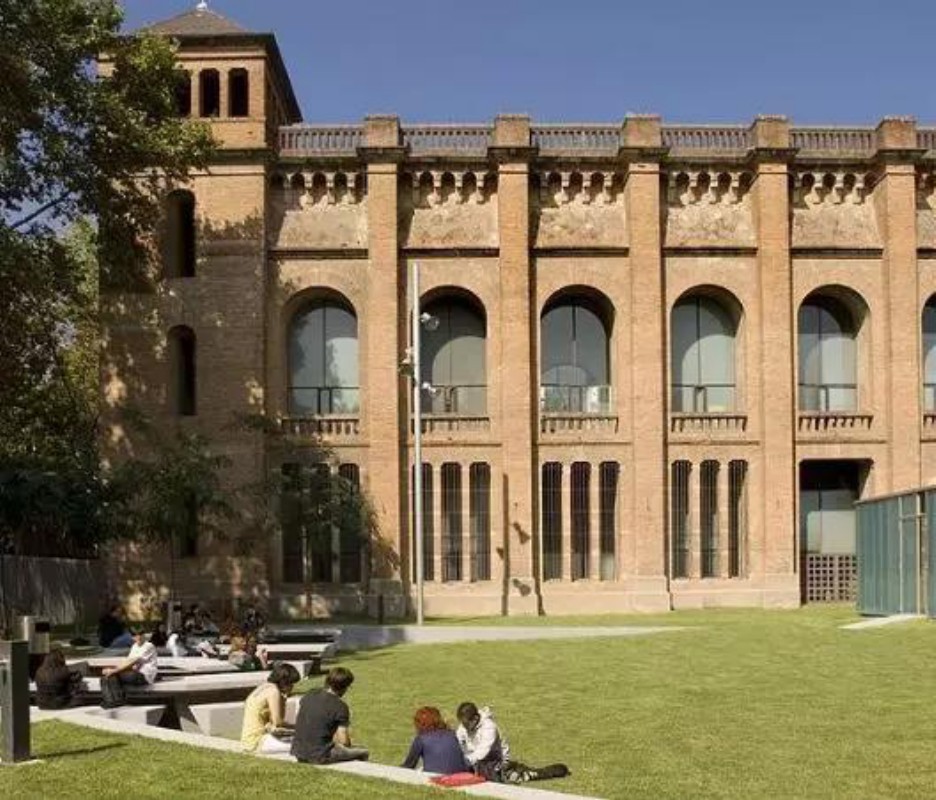
Main Pathways to University Without Taking the EBAU
What is often called ‘guaranteed’ or ‘EBAU-free’ admission actually makes use of special channels within the Spanish education system. I’ve created a simple table to make it easier to understand:
| Pathway | Core Requirement | Best Suited For |
|---|
| International Diploma Equivalence | Holding an international diploma (e.g., IB) and converting the score for Spanish university access. | Students from international schools. |
| University’s Own Entrance Exams | Passing entrance exams organized by some private universities. | Students with clear targets, applying only to specific private universities. |
| Inter-University Partnerships | 2+2 or 3+1 programs between home country universities and Spanish universities. | Students enrolled in specific partner institutions in their home country. |
| Vocational Training (FP) Pathway | Completing a Spanish Higher Level Vocational Training course (CFGS) and then applying to university. | Students who are hands-on and want to learn a practical skill first. |
Pros and Cons
The benefits of these approaches are obvious: you bypass the fierce competition of the EBAU, making the application process less stressful. However, the drawbacks are also significant. First, your choices are limited. The claim that you can pick any university you want is a total myth; these programs are typically partnered with only a few institutions, or even just specific departments. Second, many of these programs are with private universities, where tuition fees are much higher than at public ones. Most importantly, you must verify whether you’ll receive an official degree (grado oficial) or a university-specific degree (título propio) upon graduation. This directly affects its accreditation in your home country and your future career prospects!
There’s no such thing as a free lunch. The so-called ‘guaranteed admission’ is more like a ‘special application track’ than a shortcut to a top university that requires no effort. It has its advantages, but it also comes with the risk of information asymmetry. When making your choice, be sure to do your due diligence, verify information from multiple sources, and clearly understand the nature of the partner university, the career prospects of the program, and the real value of the degree. Feel free to leave a comment below to discuss and share your own experiences and hard-earned lessons!
