I moved to Spain not long ago and recently caught a cold with the change of seasons. When I went to the pharmacy to buy some medicine and masks, I noticed that almost everything, from the medicine packaging to the mask boxes, had a ‘CE’ mark on it. I asked the pharmacist, who explained that it signifies that these Spanish medical supplies meet EU safety standards. This seemed like a pretty important piece of information, so I did some research. I’m sharing it here with everyone, especially for those who are new to Spain and not yet familiar with the Spanish healthcare system. I hope this helps.
What is CE Certification?
Simply put, the CE mark is a safety certification mark. It indicates that the product’s manufacturer or service provider ensures the product complies with relevant European Union directives and has completed the necessary conformity assessment procedures. It is often considered a ‘passport’ for manufacturers to enter the European market. That’s why you’ll see this mark not just on medical supplies, but on many other products you buy in Spain, such as electronics and toys, and it’s a key part of the quality control in Spanish healthcare.
For medical supplies, this mark is even more critical. It means that the product has undergone rigorous reviews from design and production to packaging, complying with EU regulations on health, safety, and environmental protection. For instance, common items we use like masks, thermometers, and even adhesive bandages, if they bear the CE mark, it guarantees their performance and safety, so you can use them with peace of mind.
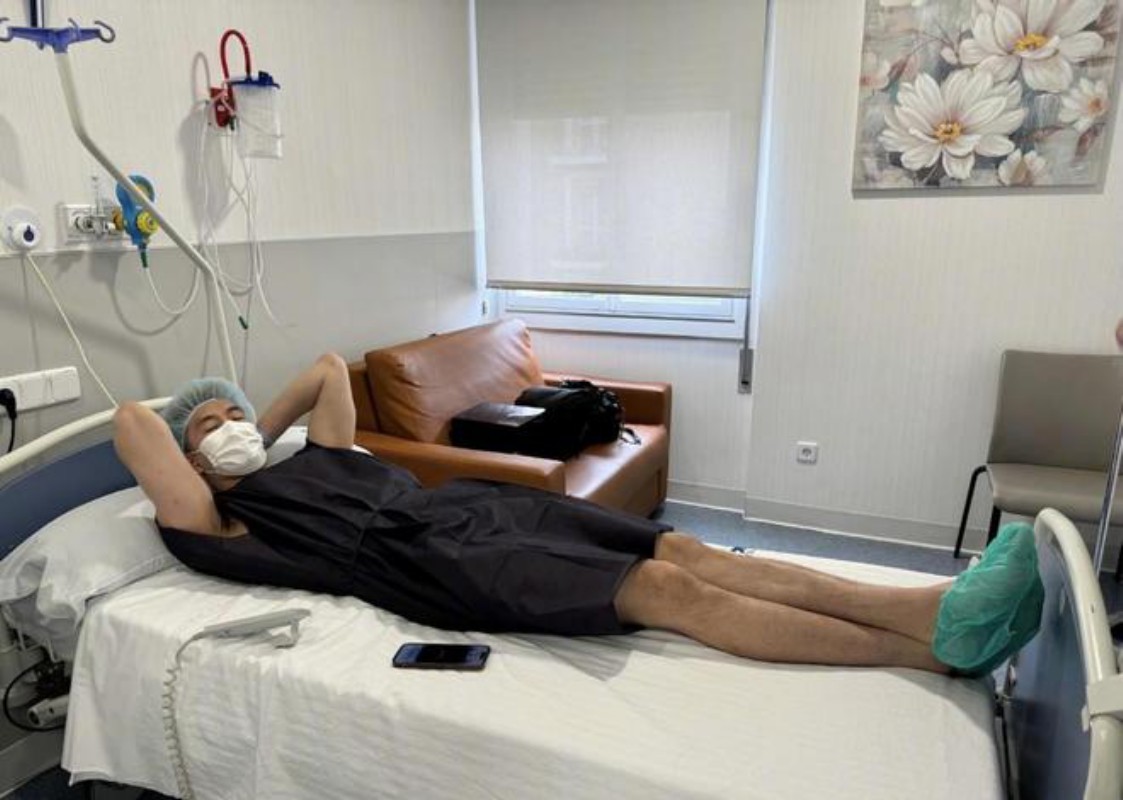
Classification and Requirements for Different Medical Products
The stringency of CE certification is not the same for all medical products. The EU classifies them based on their risk level. I’ve put together a simple table to make it easier to understand:
| Risk Class | Product Examples | Regulatory Requirements |
|---|
| Class I | Adhesive bandages, medical cotton swabs, wheelchairs | Manufacturer’s self-declaration of conformity is sufficient |
| Class IIa/IIb | Contact lenses, surgical gloves, ventilators | Requires review by a Notified Body |
| Class III | Coronary stents, artificial joints | Strictest; requires comprehensive design and production audits |
So, as you can see, the higher the risk of the product, the stricter the regulation. Most of the products we can buy directly from a pharmacy are Class I or Class IIa. This system ensures that even the most common medical supplies must meet a basic safety threshold. I find this very reassuring, as it means you don’t have to worry about buying unlicensed or substandard products.
When living in Spain, looking for the CE mark is a very simple and effective way to judge if a product is reliable, especially when buying medical supplies that are directly related to your health. I hope this little guide is helpful! If you have any experiences of your own—good or bad—with pharmacy purchases, feel free to share and discuss them in the comments below!
