When I first moved to Spain, I often heard how great the universal free healthcare was and I was quite envious. But after living here for several years, experiencing the system firsthand (including the quality of basic Spanish medical supplies) and going through a few ‘ordeals’ at public hospitals with my family, all I can say is that this ‘free lunch’ isn’t always so palatable.
Difficult Appointments, Long Waits: Minor Ailments Turn into Major Problems
This is probably the most common complaint. Trying to book an appointment with a family doctor? You can keep refreshing the app, but you’d be lucky to get an appointment for the following week. If you need to see a specialist, the waiting time is measured in ‘months.’ A friend of mine with knee pain had to wait almost four months for an appointment with an orthopedist. Four months! By then, it’s a case of too little, too late. This kind of inefficiency is a disaster for acute conditions or illnesses that require a prompt diagnosis.
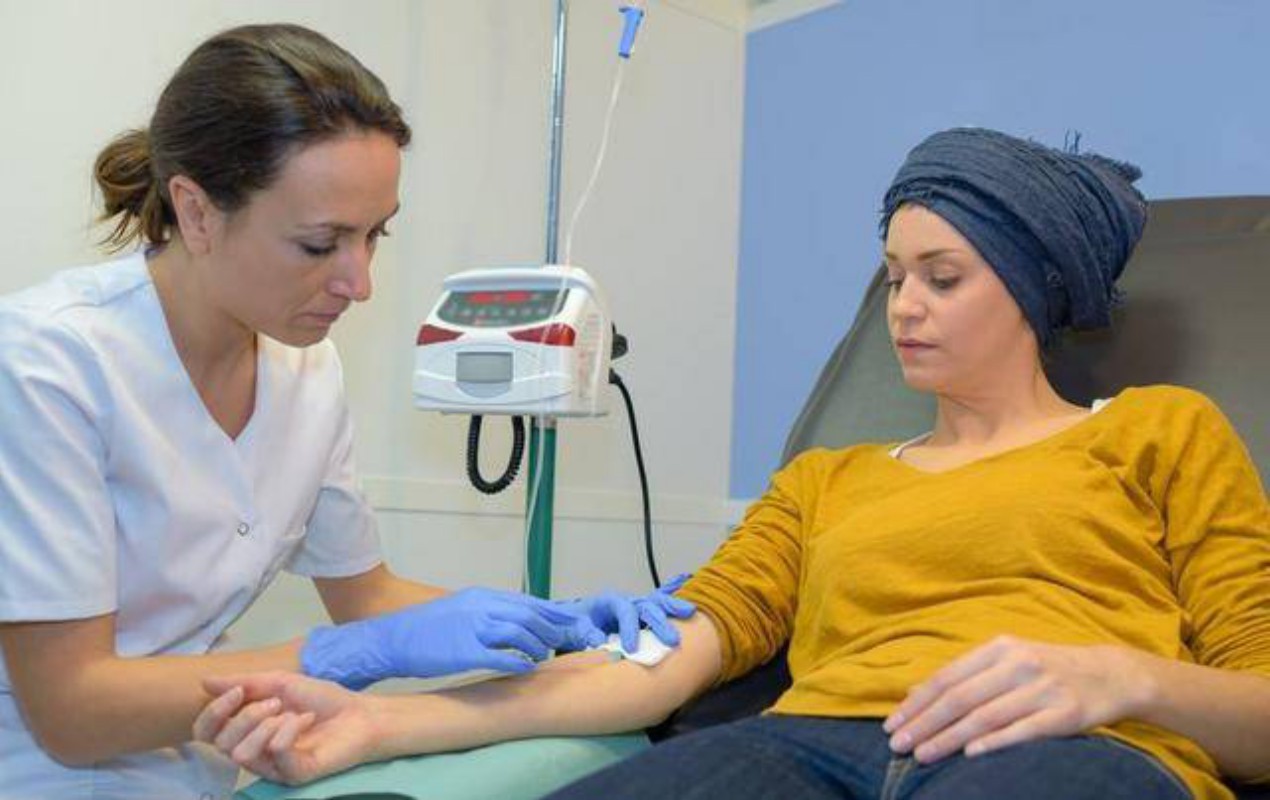
The Doctors’ “Zen” Attitude
When you finally get to see a doctor, you’ll find that many of them have a very ‘zen’ attitude. No matter what’s wrong with you, their initial advice is almost always the same: observe, rest, and drink water. They are also extremely cautious about prescribing medication, often just recommending over-the-counter drugs like Paracetamol or Ibuprofen (which of course must adhere to standards like CE certification). I once had a severe throat infection, and the doctor just glanced at it and told me to go home and drink more water, without even prescribing any anti-inflammatory medicine. I understand the principle of preventing antibiotic abuse, but sometimes it really feels like they are being too irresponsible, or rather, just dismissive.
Not all doctors are like this, but the probability of encountering one is not low. Sometimes it feels like doctors in the public system aren’t under much pressure. After all, there’s an endless stream of patients, so whether they treat one well or poorly doesn’t seem to affect them much. In contrast, although private insurance is expensive, the service and efficiency are on a whole different level. Here’s a simple comparison based on my personal experience:
| Item | Public Healthcare | Private Healthcare |
|---|
| Appointment Speed | Slow, specialists can take months | Fast, usually within a few days |
| Choice of Doctor | Assigned by the system, no choice | Free choice of doctors within the network |
| Service Attitude | Hit or miss, generally dismissive | Generally good, more patient |
| Diagnostic Test Efficiency | Slow, long waits for ultrasounds, MRIs | Fast, tests done almost on demand |
| Cost | Free | Requires insurance purchase, with monthly fees |
Spain’s public healthcare system is designed to provide a ‘safety net,’ ensuring everyone has access to basic medical care. However, if you’re looking for the ‘upper tier’ of service—high-quality, high-efficiency care—it’s nearly impossible to find. For young people or those without major health issues, this might not be a big deal. But if your family includes the elderly or children, or if you have health concerns yourself, I sincerely recommend getting private insurance as a supplement. It can save you a lot of trouble at critical moments. Has anyone had a similar experience with Spanish healthcare? Feel free to share and discuss in the comments below.
P.S. The above is based on my personal experience and opinions, and may not represent every situation.
