When I first arrived in Spain, the local healthcare system was a complete mystery to me; all I knew was that it was divided into public and private sectors. Recently, I came across some articles from English-language media and found their perspectives on Spanish health insurance to be quite interesting. Some of their viewpoints differ from the common sentiment within our own community, so I’ve summarized them here to share, hoping to provide some fresh insights.
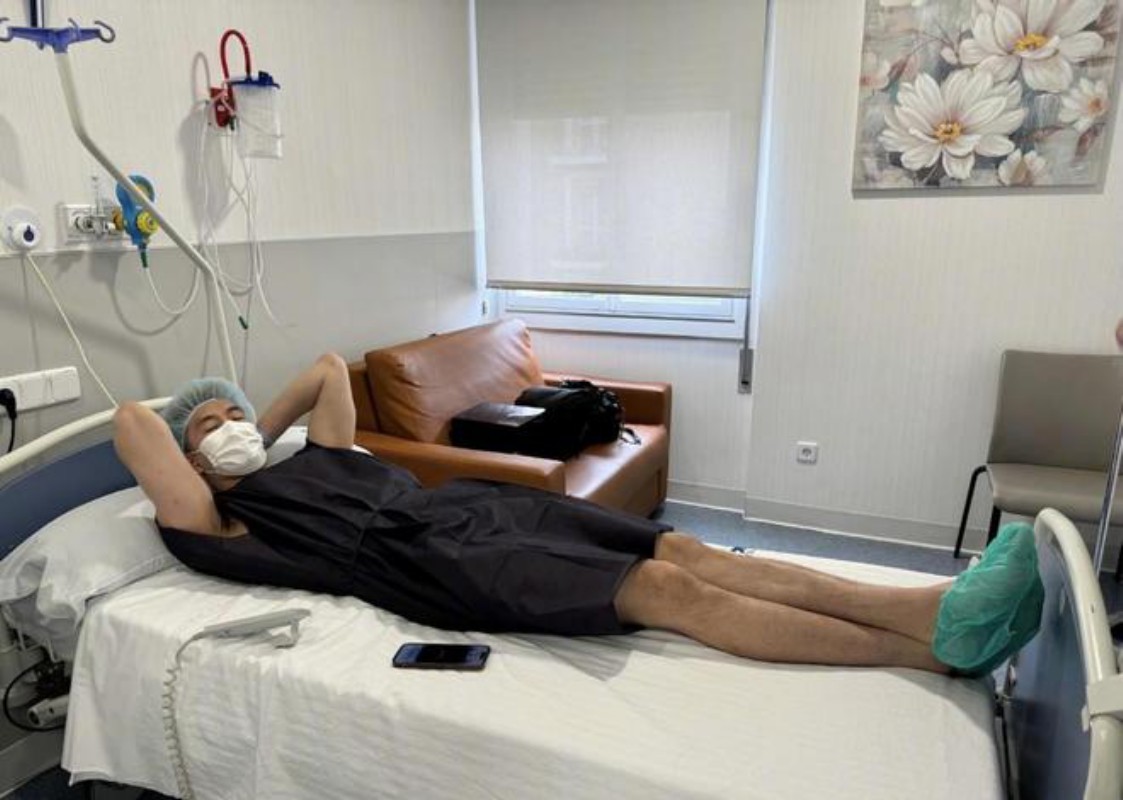
Strengths: Universal Coverage and High Quality
Most foreign media outlets, particularly those from the UK and the US, hold Spain’s public healthcare system in high regard. What they admire most is its principle of “universal coverage.” As long as you are a legal resident and contribute to social security, you can basically access free medical care. Top-tier medical journals like The Lancet have frequently ranked Spain’s healthcare system among the top ten globally. They find it remarkable that Spain manages to maintain high standards in service quality, physician expertise, and advanced equipment while also ensuring wide accessibility.
Drawbacks: Waiting Times are a Major Flaw
After the praise comes the unapologetic criticism. Nearly all foreign media outlets point to one central problem: Waiting times
! This is a point that resonates with all of us. The queues for specialist appointments and non-emergency surgeries are notoriously long. An article from the International Living website bluntly puts it that while the public Spanish healthcare
is excellent and free, if you want a quick fix—say, for knee pain that needs an immediate orthopedic consultation—you’re better off getting private insurance. They describe this as the ultimate example of “trading money for time.”
Private Insurance: Freedom of Choice and Rapid Response
On the topic of private insurance, foreign media widely regard it as a vital complement to the public system, improving overall access to healthcare resources like Spanish medical supplies. They admire the maturity and variety of the Spanish private insurance market, which offers a wide range of choices from basic outpatient plans to high-end comprehensive coverage. Additionally, the costs are significantly more budget-friendly compared to countries like the US. I have created a simple table below to compare the main advantages and disadvantages of public versus private healthcare, a key comparison often found in these foreign reports:
| Feature | Public Healthcare | Private Insurance |
|---|
| Cost | Mostly free | Requires monthly/annual premium payments |
| Waiting Time | Long, especially for specialists and surgeries | Very short, with easy appointment scheduling |
| Choice of Doctor | GP usually assigned by the system | Freedom to choose any doctor and hospital within the network |
| Scope of Services | Covers all essential medical services | Depends on the purchased plan; some private [Spanish healthcare] policies may not cover certain complex conditions |
| Experience | Standardized procedures, often crowded | Better service experience, more comfortable environment, more language support |
Expats’ opinions are not so different from our own, but they often approach the topic from a perspective of system-wide structure and efficiency. The general consensus is that Spain’s dual “public + private” model is quite intelligent, as it both guarantees social fairness and offers an alternative for those prioritizing speed and a premium experience. For all of us living here, hearing these diverse voices can help us navigate and utilize local medical resources more effectively. Do you tend to use the public or private system more often? We’d love to hear about your personal experiences in the comments!
