Recently, I’ve seen some newcomers on the forum asking whether Spain’s healthcare industry is advanced and reliable. It’s a great question, as healthcare is definitely one of the biggest concerns for anyone living here. As a seasoned expat who has lived in Spain’s healthcare industry for several years, I’d like to share my perspective based on my own and my friends’ experiences, hoping it can be a useful reference for those new to the country.
Overall Impression: A Solid System, But Not Perfect
So, is Spain’s healthcare industry advanced? My answer is: Yes, it is. Spain has a universal public healthcare system that consistently ranks high in World Health Organization ratings. This means that as long as you have a legal residence permit and contribute to social security, seeing a doctor, hospital stays, and surgeries are basically free, with you only paying a small portion for prescriptions. This provides incredible peace of mind, especially for those with chronic conditions or in case of a sudden emergency, as it eliminates huge financial burdens.
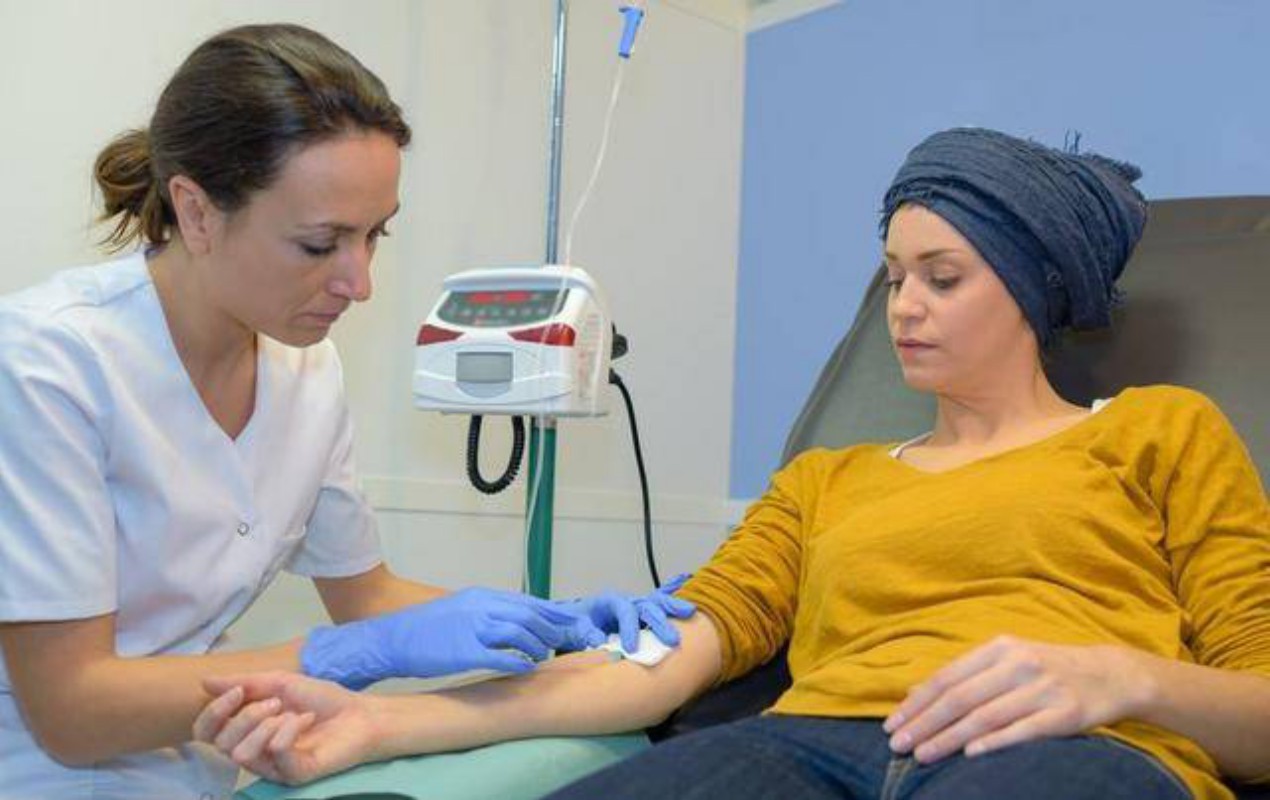
However, the system isn’t perfect. The biggest issue with public healthcare is that it’s slow. You might wait a few days for a GP appointment, but if you need to see a specialist, like a dermatologist or ophthalmologist, the waiting list can be several months long, or even longer. A friend of mine with knee discomfort spent nearly half a year going from his GP appointment to finally seeing an orthopedic specialist. So, for non-urgent chronic issues, the inefficiency of the public system can be quite frustrating.
Public vs. Private: A Simple Comparison
It’s precisely because of the ‘slowness’ of the public system that many people who can afford it opt for private health insurance. The advantages of private healthcare are speed, better service, and more choices. You can usually get an appointment with a specialist the same day or the next, and tests and surgeries are scheduled very quickly. The environment and service feel more like a hotel, offering a much better experience. Of course, this is all based on the principle of ‘paying for time and better service.’ Here’s a simple table to make the comparison clearer:
| Feature | Public Healthcare | Private Healthcare |
|---|
| Cost | Mostly free | Requires insurance or self-pay |
| Efficiency | Long waiting times for appointments | Fast appointments, no long waits |
| Service | Standardized, adequate | Personalized, better experience |
| Coverage | Comprehensive, including major illnesses | Depends on the insurance plan |
| Best for | Everyone | Those seeking efficiency and premium service |
My advice is this: if you’re young and healthy, or on a tight budget, the public system is perfectly adequate for daily needs and emergencies. But if you want quicker, more comfortable medical services—part of a broader ecosystem that includes cutting-edge Spanish medical industrial parks—or if you have elderly family members or children, then a reasonably priced private insurance plan is definitely worth the money. Many people have both, using private insurance for convenience with minor issues, while knowing the robust public system provides the ultimate safety net of Spanish healthcare for serious problems. I hope my sharing has been helpful, and I welcome everyone to discuss their own experiences with seeing a doctor below!
