When I first came to Spain, I often heard people say the public healthcare system here was a “free lunch,” which I was quite happy about. It wasn’t until I actually needed to see a doctor that I discovered this free lunch isn’t so easy to digest! Today, I’m here to share the pitfalls I’ve encountered in the Spanish healthcare system over the years, hoping to help others avoid the same mistakes.
Booking a Specialist: A Test of Patience
I once needed to see a dermatologist for a skin allergy. The standard procedure is to first see your GP (General Practitioner) to get a referral before you can book an appointment with a specialist. Sounds reasonable, right? But the reality was, my GP appointment was a week away. After getting the referral and calling the dermatologist, I was bluntly told, The wait is four months
! Four months, people! My allergy would have cleared up on its own by then! I later learned that incredibly long waiting times for popular specialties are the norm in the public system. If your condition isn’t an emergency but you don’t want to wait that long, getting a reliable private health insurance plan in advance is extremely important. It allows you to book directly with specialists at private hospitals, which is much faster.
The Emergency Room Isn’t a Cure-All
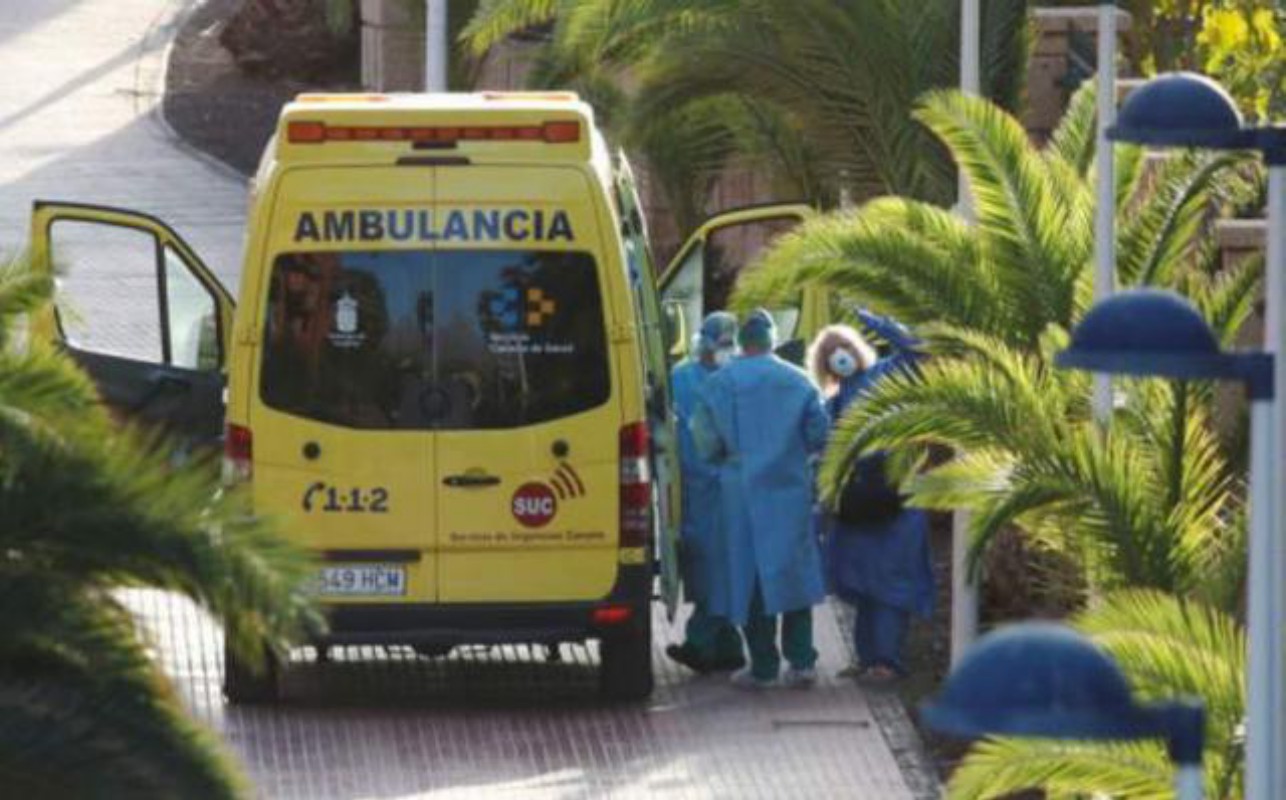
Don’t think you can just rush to the emergency room (ER)
if you can’t wait for a regular appointment. Spanish ERs (Urgencias) follow a strict triage system where a nurse will assess the urgency of your condition and assign you a priority level, often indicated by a wristband color. If you just have a common cold, a fever, or an upset stomach, no matter how awful you feel, you’ll likely be given the lowest priority. Waiting in the seating area for three to five hours is completely normal. I’ve seen countless tourists go to the ER for issues like traveler’s sickness only to end up waiting forever. So, unless it’s a life-threatening situation or something that could have serious long-term effects, your ER experience might be quite poor. For minor ailments, you’re better off consulting a pharmacist at a local pharmacy; they can help with many common problems.
Public vs. Private Emergency Rooms
To give you a clearer picture, I’ve put together a simple comparison of public and private ERs:
| Feature | Public ER | Private ER |
|---|
| Cost | Free | Requires private insurance or self-payment, can be expensive |
| Waiting Time | Triaged by urgency; can be very long for non-urgent cases | Usually shorter, as there are fewer patients |
| Suitable For | Everyone, especially for major emergencies and accidents | Patients with private insurance or those willing to pay out-of-pocket |
| Resources | Centralized resources, capable of handling complex cases | Depends on the hospital’s size; some smaller private hospitals may not be equipped to handle highly complex emergencies, an important distinction in Spanish healthcare. |
When seeking medical care in Spain, it’s crucial to be patient. The public system’s strengths are its broad coverage and low cost, but efficiency is a major issue. The private system, on the other hand, lets you trade money for time and a better experience. I recommend that everyone consider their financial situation and needs and think about getting a private insurance plan as a supplement, just in case. I hope you all stay healthy during your time in Spain and never have to use this guide!
