When I first moved to Spain, my biggest fear was getting sick. Not knowing the language or the system, I had no idea what to do if I even had a minor ailment like a headache or fever. Over the years, I’ve had my share of visits to both public and private hospitals and have picked up some experience. Today, I’m here to chat about my real experiences with the Spanish healthcare system, hoping to help those in need.
Public Healthcare: Free, but Patience is a Virtue
Spain’s public healthcare system is a universal benefit. As long as you have a social security number, consultations, tests, and most prescriptions are essentially free. The biggest advantage is that it saves money, and its coverage is extensive, handling everything from minor illnesses to serious conditions. But the downside is just as glaring: It’s SLOW
! Incredibly slow!
In my experience, if you just have a common cold or fever and want to see a family doctor, you’ll typically have to wait a few days or even a week after booking through the Cita Previa appointment system, a key part of Spanish healthcare
. If your family doctor refers you to a specialist, the waiting list is even longer—several months is quite normal. Therefore, public healthcare is suitable for non-urgent issues, routine check-ups, and managing chronic diseases. For emergencies, you can go directly to a public hospital’s emergency room (Urgencias), but the waiting time there can also feel like an eternity.
Private Healthcare: Paying for Efficiency
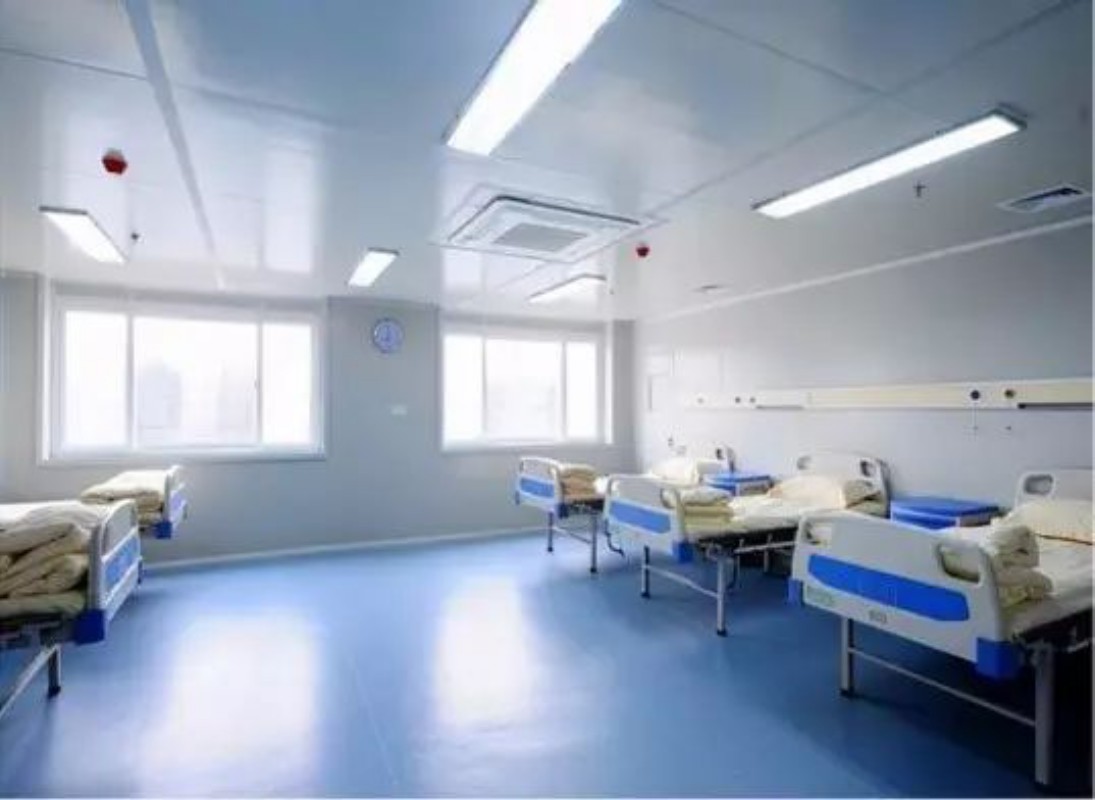
Eventually, I couldn’t stand the snail’s pace of the public system anymore and bought a private health insurance plan. The private healthcare experience was a night-and-day difference. The biggest benefit is speed! If you want to see a specialist today, you can often get an appointment for tomorrow or the day after. Tests like an ultrasound or an MRI can usually be done within a week. Plus, the hospital environments are nicer, and the service feels more like ‘customer service.’ Doctors have more time to listen to your symptoms and provide more detailed explanations.
Of course, all of this comes at a price. You either pay per visit, which can be expensive, or you do what I did and get a commercial insurance plan with monthly payments. The cost of insurance varies depending on your age, health condition, and coverage, ranging from a few dozen to over a hundred euros per month. So, if you value efficiency, a better service experience, or have urgent health concerns, private healthcare is an excellent supplement.
How to Choose? A Simple Comparison Table
To give you a clearer picture, I’ve made a simple comparison table:
| Feature | Public Healthcare | Private Healthcare |
|---|
| Cost | Mostly free | Requires insurance or pay-per-visit; more expensive |
| Efficiency | Long appointment wait times; specialist referrals can take months | Fast appointments and tests; short waiting times |
| Service | Standard; limited consultation time with doctors | Good service attitude, comfortable environment, patient doctors |
| Coverage | Comprehensive, covers most conditions | Depends on the insurance plan; some services may not be included |
My advice is: If you’re generally healthy and just want basic coverage, the public system is perfectly adequate. However, if you prioritize efficiency, need to see doctors frequently, and can afford it, getting a private insurance plan as a supplement will definitely improve your quality of life in Spain. After all, health is the most important thing! What have your experiences with the healthcare system been like? Feel free to discuss and share your stories below!
