For those new to Spain, you’ve probably had the same worry as me: what happens if you suddenly get sick late at night or on a weekend? In an unfamiliar country, would going to the hospital be a huge hassle? And are the rumors about waiting ‘forever’ in a Spanish public ER true? Today, I’m sharing my personal story to shed some light on this.
Late one Saturday night last month, I came down with a sudden case of acute gastroenteritis. I was vomiting, had diarrhea, and felt like I was about to collapse. Seeing my condition, my family made the quick decision to take me to the nearest public hospital’s emergency room. Honestly, I was a bit nervous, having heard so many complaints about the ‘eternal’ waits. But at that point, I couldn’t care less—my life was the priority!
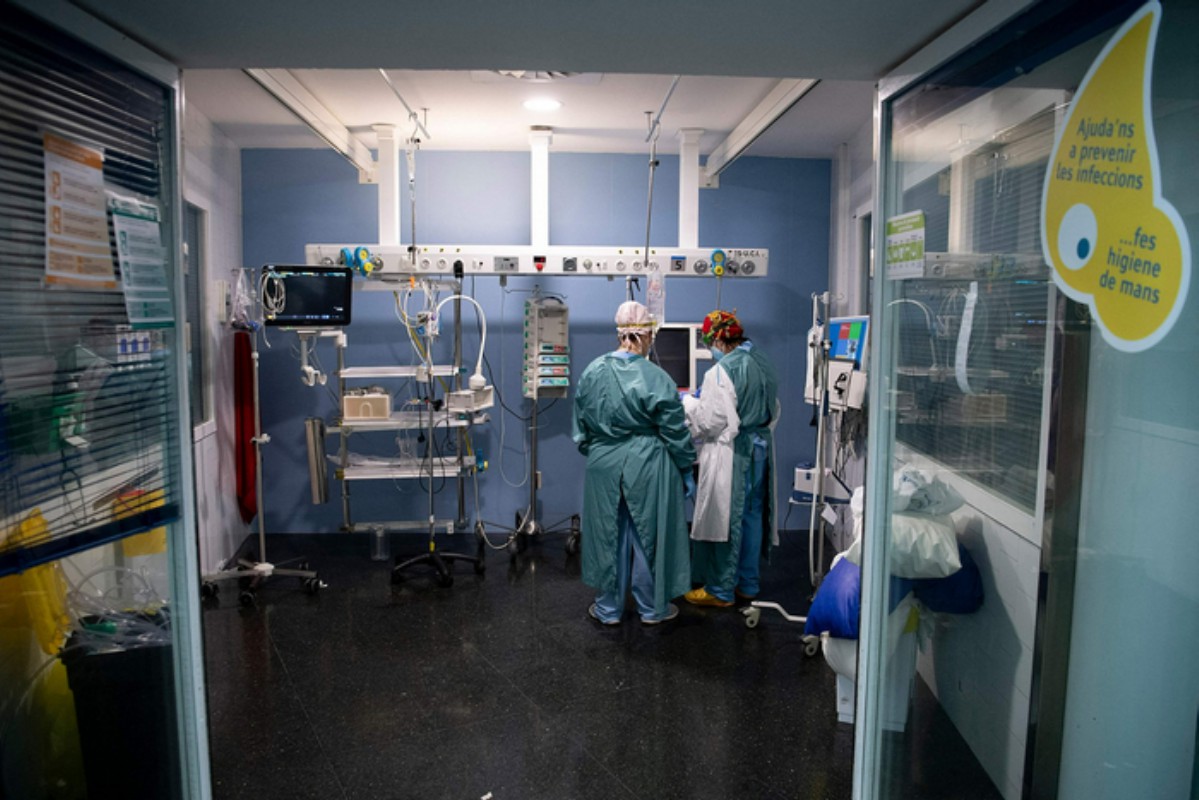
Upon arriving at the ER lobby, the first step is to register at the reception desk. You’ll need to show your social security card or private insurance card. If you don’t have one, your residence card (TIE) or passport will also work. The staff will ask you some basic questions, like what’s wrong, and then give you a number and a wristband. Next comes the triage, and this step is crucial! A nurse will assess the urgency of your condition and assign you a level, usually indicated by a color, which determines your priority in the queue.
What Do the ER Triage Colors Mean?
Generally, the triage system in public hospitals divides patients into several levels. While the specifics of things like blood tests in Spanish hospitals might vary slightly from one hospital to another, the basic principle is the same. This system is designed to ensure that the most critically ill patients receive immediate care, so it’s not a first-come, first-served basis!
| Color | Level | Meaning | Approx. Waiting Time |
|---|
| Red | Nivel I | Life-threatening, requires immediate resuscitation | Immediate |
| Orange | Nivel II | Urgent, potentially life-threatening | Approx. 10-15 minutes |
| Yellow | Nivel III | Urgent, but relatively stable | Approx. 60 minutes |
| Green | Nivel IV | Less urgent, non-critical | Approx. 2 hours |
| Blue | Nivel V | Non-urgent, can be seen at a primary care center | Approx. 4 hours or more |
My Actual Waiting Time
In my case, due to signs of dehydration, I was triaged as Yellow. I waited in the waiting area for about 45 minutes before my name was called. The doctor was very patient, asked detailed questions, and then arranged for me to get an IV drip and run some tests. The whole process was much faster and smoother than I expected! So, don’t let the horror stories scare you. If your situation is genuinely urgent, the hospital absolutely won’t make you wait for long. Of course, if you just have a common cold or a sore throat, you might be classified as Green or Blue, and your wait time in the [Spanish emergency rooms] will be much longer. So, my advice is, for minor ailments, try to visit your local health center (Centro de Salud). That’s a different process from getting a follow-up appointment in Spain, and it helps leave precious ER resources for those who are in real need. I hope my sharing is helpful! Feel free to share your own experiences with ERs in Spain!