For those of you who have just arrived in Spain, have you ever been confused by the hospital opening hours here? I learned this the hard way when I first came. I assumed it was like my home country and I could go anytime, only to be met with closed doors. I’ve been to the hospital a few times recently and asked some long-time expats, so I’ve finally got it all figured out. Today, I’m sharing this information to hopefully help others who follow.
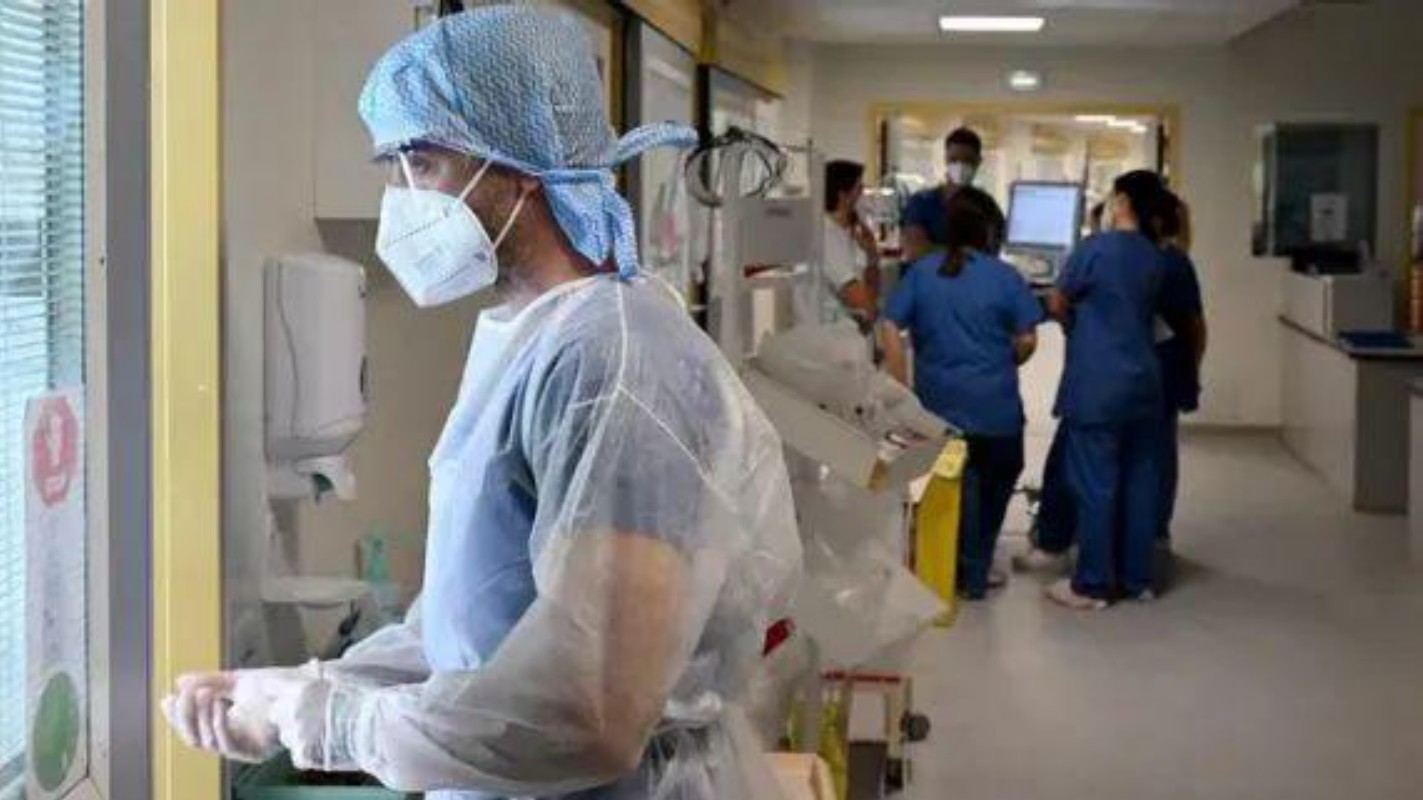
The Difference Between Public and Private Systems
First, it’s crucial to understand that Spain’s healthcare system is divided into public and private sectors. The operating hours for these two systems are very different and can’t be lumped together. Simply put, the public system has more rigid, strictly fixed hours, while the private system is more flexible and accommodating to patients’ schedules—provided, of course, that you have private insurance or are willing to pay out-of-pocket.
Regular Outpatient Appointments (Consultas)
Here, ‘regular outpatient appointments’ refer to seeing a specialist after getting a referral from your family doctor, a process which has its own rhythm much like the experience of working in a Spanish hospital, or by booking an appointment directly. Specialist outpatient hours in public hospitals are typically very ‘Spanish’: they are basically from Monday to Friday mornings, starting around 8 or 9 AM and finishing by 2 or 3 PM. Afternoons and weekends? Don’t even think about it—doctors need to enjoy life too! So, while topics like Spanish hospital income and Spanish hospital efficiency are often discussed, the key takeaway for patients is this: if you have an appointment with a public specialist, be sure to check the time carefully and don’t show up in the afternoon only to find it closed.
Private hospitals are much more user-friendly. Many private clinics or hospitals have specialists available in the afternoon, and some even stay open until 7 or 8 PM, which is a great convenience for working professionals. So, if you’re using private insurance, booking an afternoon ‘cita’ (appointment) can be much more convenient.
Emergency Services (Urgencias)
This is the key point and the one that causes the most confusion. For both public and private hospitals, emergency services (Urgencias) are available 24/7, 365 days a year! If you have an emergency—such as a sudden high fever, acute gastroenteritis, or an accidental injury—you can go directly to the hospital’s emergency department at any time. Remember to go to ‘Urgencias’; there will be a large sign at the entrance. Don’t walk into the regular outpatient building.
However, be prepared for a long wait in the emergency room, especially in public hospitals. Doctors triage patients based on the severity of their condition, not on a first-come, first-served basis. If you just have a minor cold, you might wait for several hours. The last time I went with a friend for an allergic reaction, which wasn’t considered top priority, we literally waited from dawn till dusk…
To make it easier to understand, I’ve created a simple summary table:
| Service | Public System Hours | Private System Hours |
|---|
| Regular Outpatient | Monday to Friday mornings | Monday to Friday, some with afternoon/evening slots |
| Emergency Services | 24 hours / 365 days | 24 hours / 365 days |
| Family Doctor (GP) | Mon-Fri, with morning & afternoon shifts | Often similar to public, but with more flexible appointments |
Remember this principle: “Appointments for minor ailments, Urgencias for emergencies”. It’s a good idea to know the location and contact information of your local Centro de Salud (health center) and your assigned hospital, just in case. I hope everyone stays healthy and never needs to use this guide!
