For those who have just moved to Spain, does the healthcare system seem a bit confusing? Especially when you have a headache, fever, or a minor injury and need to go to the emergency room, it can be overwhelming not knowing where or when to go.
Don’t worry. Based on my years of experience, I’m here to break down everything you need to know about hospital emergency services (Urgencias) in Spain. I hope this helps!
The Public System
First, let’s talk about the most commonly used public system. Spain’s public healthcare is a universal benefit. As long as you are registered with social security, whether through a work permit or student insurance, you can generally access it. The public emergency system is divided into two levels:
1. Community Emergency Centers
This is what you can think of as the emergency departments of community health centers. They generally handle non-life-threatening emergencies like severe colds and fevers, gastroenteritis, minor wound stitching, and so on. Their main advantage is that they are close to home and convenient. However, it’s important to note that community emergency centers are not open 24 hours a day
!
Their opening hours usually begin after the regular hours of the local health center (centro de salud)
have ended. The specific times can vary slightly by autonomous community, but they generally are:
- Weekdays: From around 20:00 or 21:00 in the evening until 8:00 the next morning.
- Weekends and public holidays: Open 24 hours.
So, if you feel unwell during the daytime on a weekday, you should go to your regular clinic for an appointment, not the emergency center. You can check the general Spanish hospital timetables for more details.
2. General Hospital Emergency Rooms
This is what we typically think of as a major hospital’s emergency room. It handles more serious and even life-threatening situations, such as heart attacks, severe accidents, difficulty breathing, etc. The emergency rooms of general hospitals are open 24 hours a day, 365 days a year.
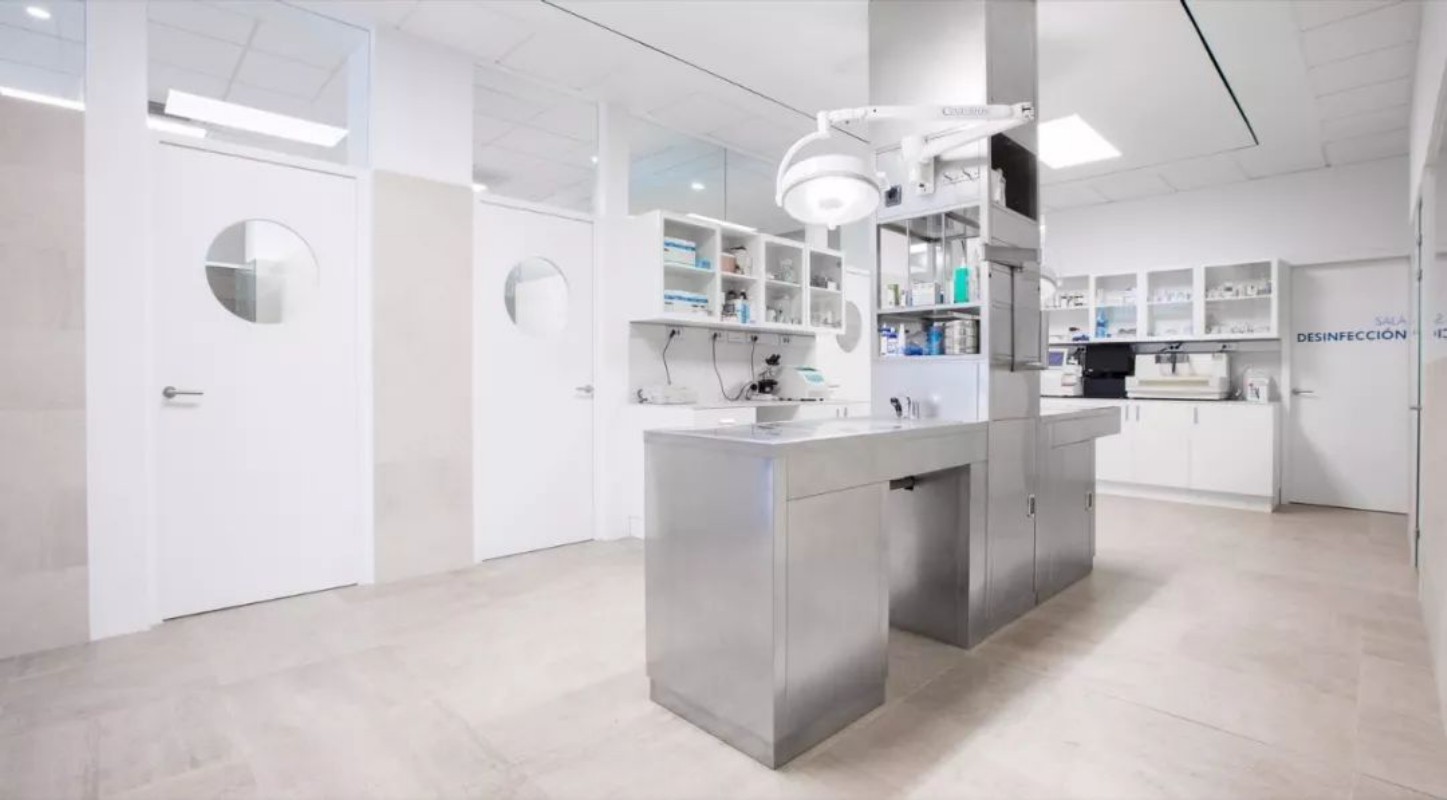
When you go to a hospital emergency room, a nurse will first perform triage based on your condition to determine its urgency, and then assign you to a waiting area, often color-coded. Therefore, treatment is not always first-come, first-served; patients with more severe conditions are prioritized, which is important to understand when checking [Spanish hospital hours].
The Private System
If you have private health insurance, such as from Adeslas, Sanitas, or Asisa, you can also choose to go to a private hospital for emergency care, and you can look up the relevant Spanish hospital hours. Emergency services at private hospitals are also typically open 24 hours. The advantages are usually shorter waiting times and a more comfortable environment compared to public hospitals. Remember to bring your insurance card and ID with you.
| Healthcare System | Emergency Type | Main Service Hours | Features |
|---|
| Public System | Community Emergency Center | Weekday evenings + 24/7 on weekends & holidays | Handles non-life-threatening cases, close to home |
| Public System | General Hospital | 24/7, all year round | Handles severe and life-threatening cases |
| Private System | Private Hospital | Mostly 24/7, all year round | Shorter wait times, requires private insurance |
To summarize:
For minor issues, book a regular appointment on a weekday. For issues on weekday evenings, weekends, or holidays, go to a community emergency center.
For major problems, or if you’re unsure about the severity, go directly to a general hospital’s emergency room.
If you have private insurance and want to be seen more quickly, go directly to a private hospital affiliated with your insurance provider.
I hope this summary is helpful! Wishing everyone great health in Spain—may you never need to use this guide! ¡Salud para todos
!
