Hey everyone, I’ve been seeing several news stories about accidents in Spanish hospitals lately, and it’s honestly a bit worrying. Since we live here, it’s almost certain we’ll need to visit a hospital at some point. So today, I wanted to start a discussion about some of the reasons behind these incidents, as a heads-up so we can be more cautious when we or our family members need medical care.
Why Do Problems Occur in Hospitals?
To be honest, the vast majority of doctors and nurses are dedicated and responsible. However, the healthcare system is incredibly complex, and a mistake at any stage can lead to serious consequences. Based on some reports and information I’ve come across, the causes of medical incidents in Spain can generally be categorized as follows:
1. Staffing Issues and Systemic Pressure
This is one of the most common causes. While Spain’s public healthcare system offers broad coverage, it perennially struggles with staff shortages and tight budgets. A single doctor or nurse might have to care for several patients simultaneously, especially in emergency rooms or during holidays, leading to immense workloads. When people are extremely fatigued, their judgment naturally declines, and the probability of making a mistake increases. There have been news reports about nurses who, after working for over a dozen hours straight, administered the wrong medication to a patient. This can’t be simply dismissed as being “irresponsible”.
2. Poor Communication
Communication issues are another major pitfall! It’s not just about language barriers. Sometimes, inadequate information handovers between doctors in different departments or incomplete medical records can lead to misdiagnosis or incorrect treatment plans. For example, a patient might undergo tests in the emergency room, but the results aren’t promptly shared with the specialist. When it comes to serious incidents like [radiation accidents], the risks are even greater for us expats if our Spanish isn’t fluent enough to accurately describe symptoms or understand the doctor’s explanations and instructions. Therefore, it’s best to have a friend who is fluent in Spanish accompany you to appointments, or prepare a written note in Spanish with your symptoms, allergy history, and other key information beforehand.
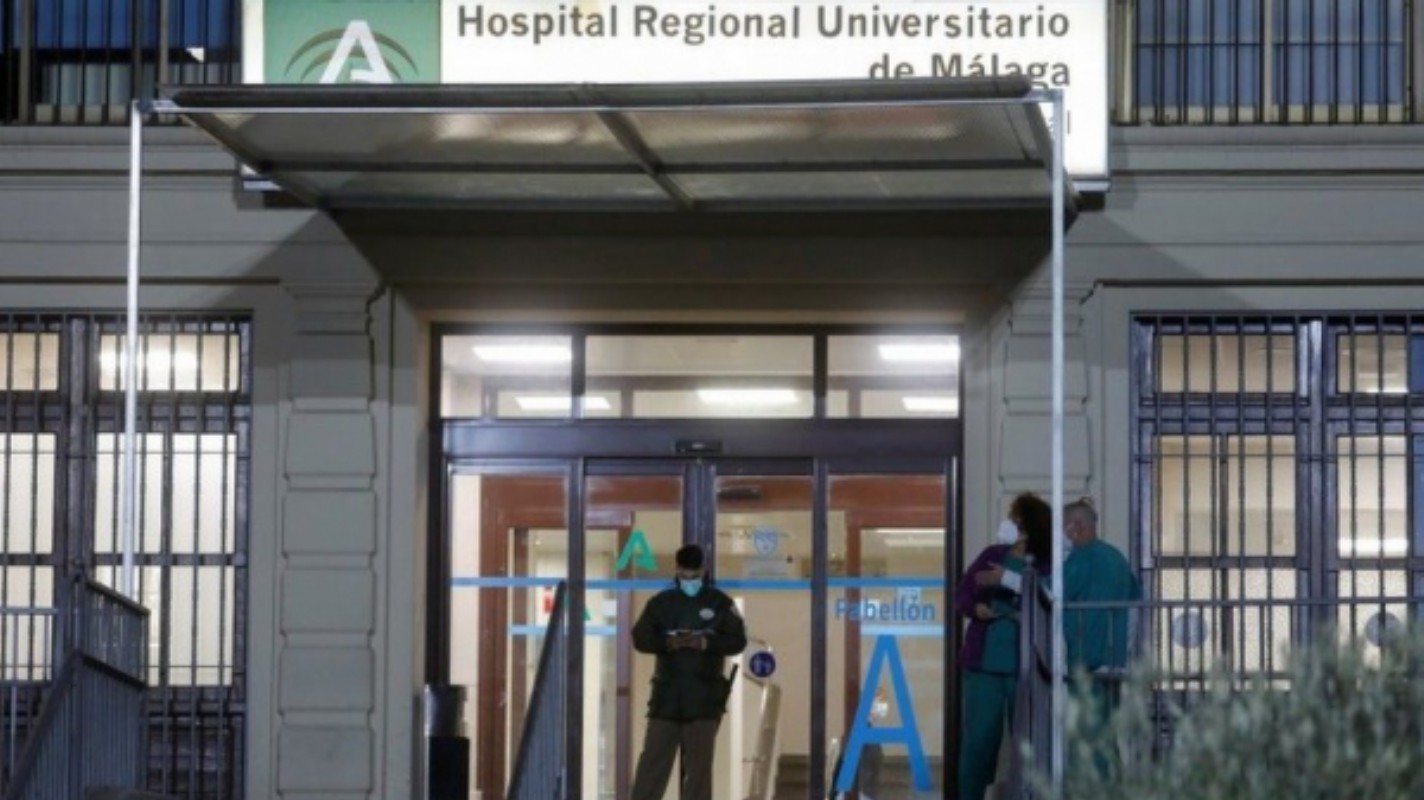
3. Infections and Equipment Issues
Hospital-acquired infections are another risk that shouldn’t be overlooked. Although hospitals have strict sterilization procedures, drug-resistant bacteria remain a global challenge. Furthermore, some older medical equipment, if not properly maintained or replaced, can fail at critical moments when you are [seeking medical care in Spain]. The simple table below summarizes some of the different risk focuses for public and private hospitals:
| Hospital Type | Key Risk Points |
|---|
| Public Hospitals | Staff overload, long waiting times, resource constraints |
| Private Hospitals | Potential for overtreatment, less experience with complex cases |
Spain’s healthcare quality is still considered high-ranking in Europe, so there’s no need to panic excessively. However, as laypeople, it’s always a good idea to be more aware of the potential risks associated with Spanish medical incidents, stay vigilant, ask extra questions, and double-check information when seeking medical care. I hope everyone stays healthy and has minimal need for hospitals! Have you ever experienced anything similar? Feel free to share and discuss in the comments below.
