An elderly member of my family was recently unwell, and we went through quite an experience at a public hospital. I figured many others might be in a similar situation caring for their elders, so I decided to share my experience and some tips. This isn’t an official guide—unlike some viral topics such as [dancing healthcare workers]—but purely my personal account. Feel free to discuss and add your own insights.
From the Family Doctor to the Emergency Room
Everything usually starts with the family doctor (médico de cabecera). We first made an appointment at our local Centro de Salud. After an initial assessment, the doctor felt the situation was complex and advised us to go directly to the hospital’s emergency room (urgencias). A quick tip: if an elderly person’s condition is truly urgent—for example, difficulty breathing, severe pain, or loss of consciousness—do not hesitate; call 112 for an ambulance or drive to the nearest hospital emergency room yourself. Spain’s triage system in the ER is quite effective. A nurse will assess the patient’s urgency and use different colored wristbands to classify them, with the most critical cases receiving priority treatment.
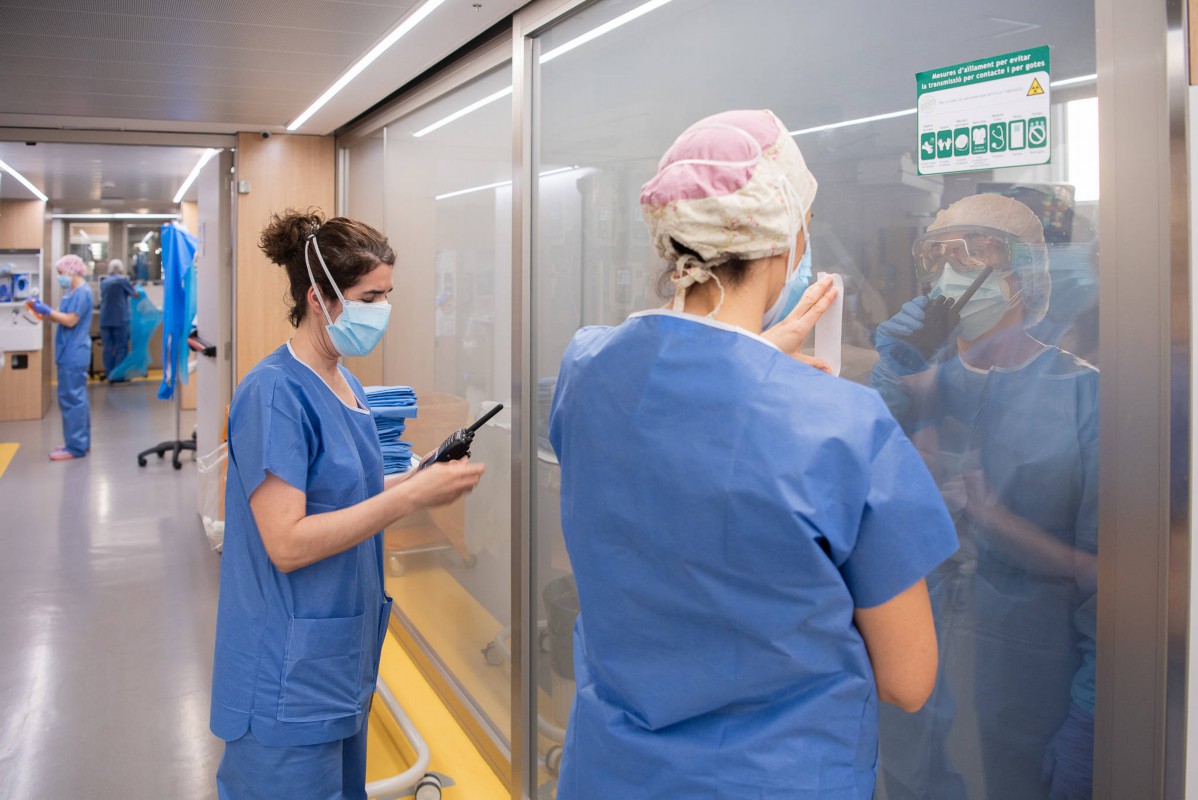
Accompaniment and Communication During Hospitalization
After a series of tests, my relative was admitted. In public hospitals, the rule is that typically only one family member is allowed to stay with the patient in the room. During the day, you can take turns, but at night, it’s usually one designated person who stays overnight. The room provides a reclining armchair that can be flattened into a makeshift bed. It’s not the most comfortable, but at least you can lie down. The nurses are generally very kind and come by regularly to check on the patient, take their temperature, and administer medication. Communicating with the doctors is crucial. They usually do their rounds in the morning, which is the best time to get updates on the patient’s condition and treatment plan. If your Spanish isn’t very fluent, it’s a good idea to write down your questions beforehand or use a translation app. While general information, such as discussions about the salaries of Spanish healthcare workers, is available online, direct communication with the medical team is essential for your family member’s care.
During the stay, the hospital provides three meals a day for the patient, specially prepared according to their medical condition and usually quite bland. The accompanying family member needs to arrange their own meals; you can go to the hospital cafeteria or order food delivery to the hospital entrance. Here’s a table listing some items you might want to bring:
| Item Category | Recommended Items | Notes |
|---|
| Personal Items | Change of clothes, slippers, toiletries | The hospital does not provide personal toiletries. |
| Electronics | Phone, charger, power bank | To stay connected with the outside world. |
| Documents | The patient’s health card, residence card, family doctor’s report | For administrative procedures and doctor’s reference. |
| Entertainment | Books, headphones, tablet | To help the patient and yourself pass the time. |
Discharge Arrangements and Post-Discharge Care
When the doctor determines the patient’s condition is stable enough for discharge, they will notify the family in advance. On the day of discharge, a nurse will provide detailed instructions for home care, medication schedules, and dosages, and give you a detailed discharge report—a key document in the overall process of elderly care in Spain. This report is very important, as you will need it for follow-up appointments with the family doctor and for getting prescriptions filled. If the person has mobility issues after discharge and requires special care services or equipment, such as a nursing bed or a wheelchair, you can consult with the hospital’s social worker (trabajador social). They can offer assistance and may even help you apply for government aid. In short, navigating the healthcare system with an elderly loved one in Spain is a marathon, not a sprint—it requires patience and attention to detail. However, the system’s dedication to caring for the elderly is commendable. I wish all our elders good health!
