Recently, an elderly family member wasn’t feeling well, and after accompanying them on a few trips to public hospitals, the wait in the emergency room felt like an eternity. Booking an appointment with a family doctor also took several days. It made me wonder… are there just not enough doctors and nurses in Spain? I wonder if anyone feels the same. Out of curiosity, I dug into some data from official and industry sources to share with you all, so we can see what the actual staffing levels are like.
The Overall Situation of Healthcare Professionals in Spain
According to the latest data from Spain’s National Statistics Institute (INE) and other health organizations, including information on healthcare for the elderly in Spain, the total number of doctors and nurses is actually quite large. However, the key metric is the per capita figure: “how many healthcare professionals per 1,000 people.” This is the indicator most directly related to the patient experience for the average person.
The latest data I found is approximately:
- Doctors: Approximately 4.5 to 4.6 doctors per 1,000 inhabitants.
- Nurses: Approximately 6.1 to 6.2 nurses per 1,000 inhabitants.
These numbers might seem decent, right? But why does the experience, especially in the public system, often feel so understaffed?
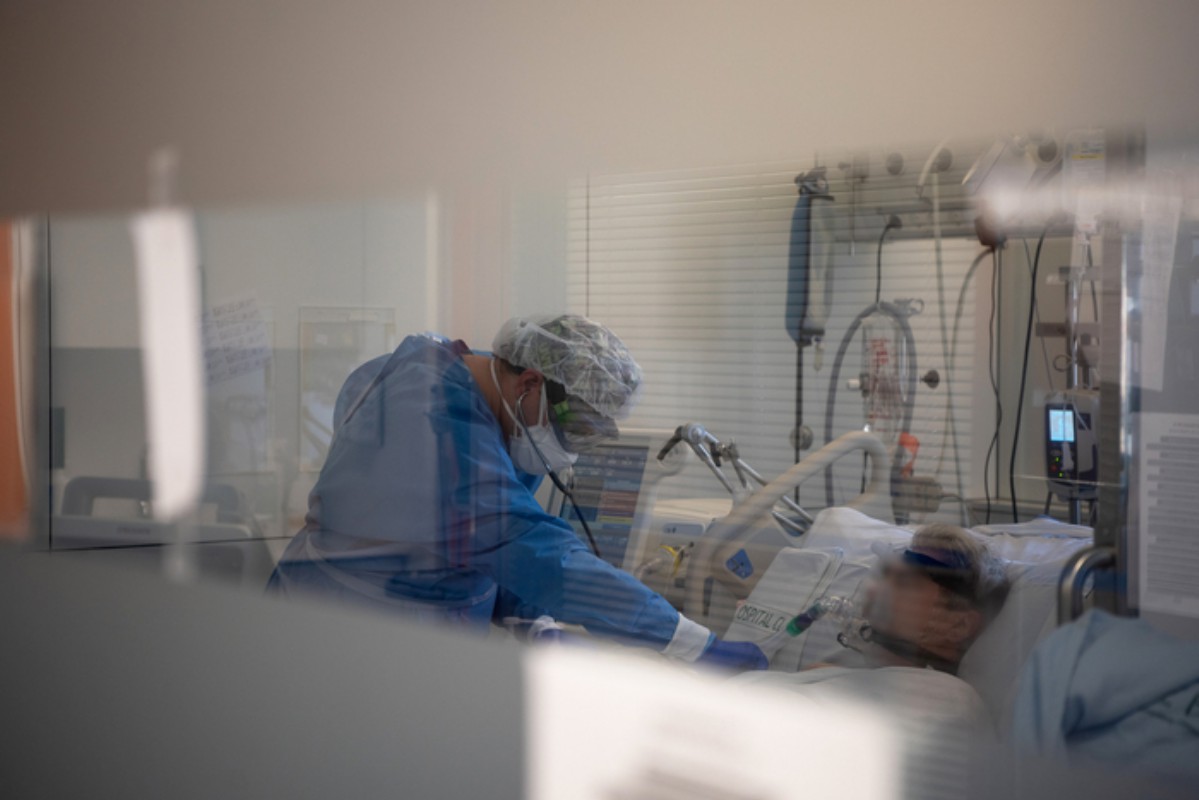
A Comparison with Other European Countries
Looking at Spain’s data in isolation doesn’t tell the whole story. A comparison with its neighbors makes the picture clearer. I’ve put together a simple table with data from Eurostat and the OECD. The years may vary slightly, but the overall trend is accurate.
| Country | Doctors per 1,000 people | Nurses per 1,000 people |
|---|
| Spain | 4.6 | 6.1 |
| Germany | 4.5 | 13.0 |
| France | 3.2 | 11.3 |
| Italy | 4.1 | 6.3 |
| Portugal | 5.6 | 7.9 |
| EU Average | 4.0 | 8.8 |
From the table, you can see that Spain’s number of doctors is actually above the EU average, and even slightly higher than Germany’s. However! The number of nurses is significantly lower, not only far below Germany and France but also below the EU average. This might be one reason we feel hospitals are overwhelmed and nurses are always rushing around, a reality perhaps different from the viral videos of [dancing healthcare workers]. A doctor’s diagnosis is crucial, but the subsequent care, injections, and wound dressings are all tasks overwhelmingly handled by nurses.
This data includes all registered healthcare professionals in both public and private sectors. Most of us use the public system, which faces much greater pressure. It’s said that a significant number of doctors, especially specialists, work in the public system for a few years before moving to the private sector or opening their own clinics. As a result, the problem of staff turnover and shortages in public hospitals may be more severe than the average data suggests, a topic linked to healthcare worker salaries in Spain. For those with private insurance, do you find the service and response times from doctors and nurses to be much faster? Feel free to leave a comment and share your thoughts and experiences!
