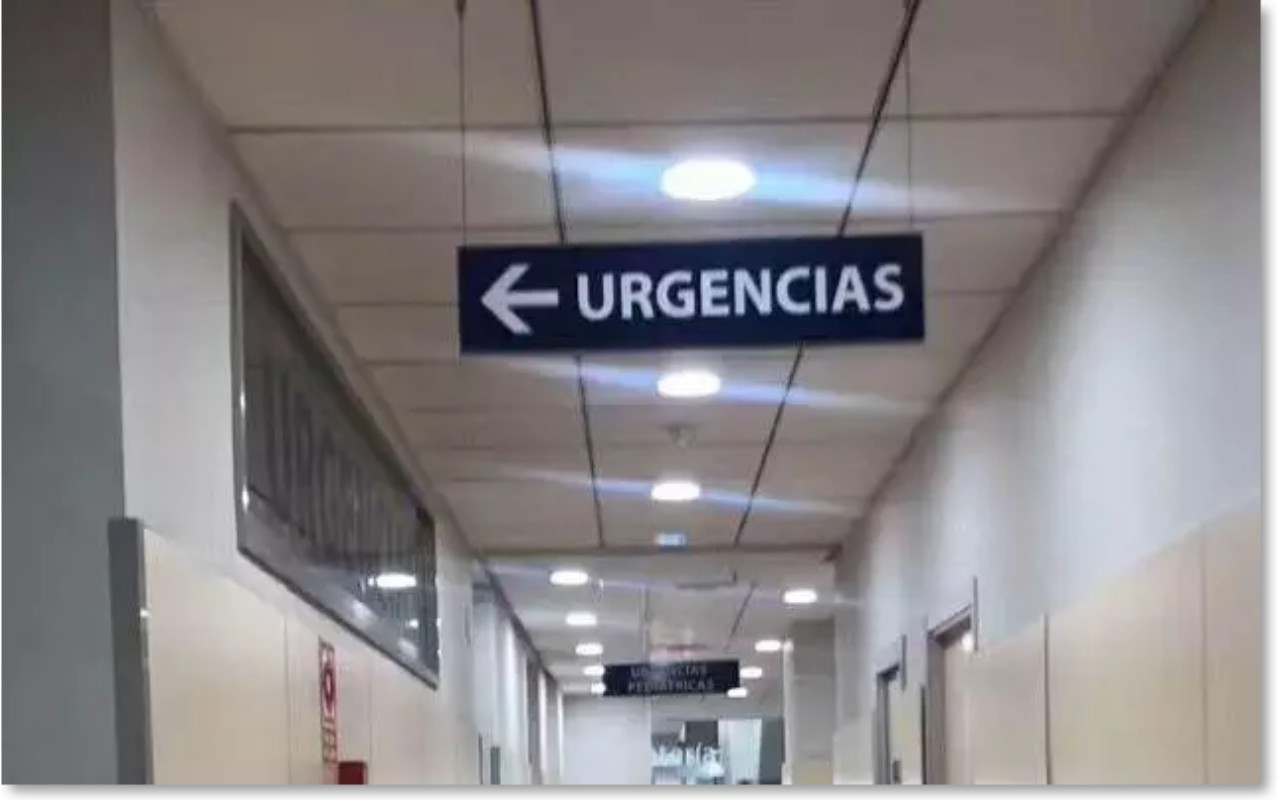
Shortly after I moved to Spain, I had to accompany a family member to a public hospital in Madrid for a minor issue. I was quite nervous, but then, in the hallway of the pediatric ward, I heard the sound of a guitar and singing! It was a young male nurse playing and singing for a little patient, with a few other children gathered around to listen. The atmosphere was so wonderful, and I instantly felt all my tension melt away.
I was genuinely surprised at the time and thought it was just an isolated incident. Later, when I mentioned it to my neighbors, I learned that this is actually quite common in Spain. They call it “Música en Vena” or similar charity projects. Many hospitals invite musicians or encourage musically-talented staff to perform for patients, especially children and the elderly, at specific times. The goal is to alleviate patients’ anxiety and loneliness, using the power of music as a form of therapy. I have to say, it’s a fantastic idea!
I did some research and found there’s scientific backing for this. Music therapy has been proven to have positive effects on reducing pain, lowering blood pressure, and easing anxiety. For patients requiring long-term hospitalization, like many discussed in guides on medical care for seniors in Spain, the mental comfort from this “non-pharmaceutical prescription” can be more effective than expected. It’s not just about singing; it’s a profound form of humanistic care, not unlike the viral videos of dancing medical staff that show the lighter side of healthcare. It brings warmth to the sterile hospital environment, making patients feel they are not just a “case file,” but a “person” who is cared for and respected.
The form this phenomenon takes can vary across different autonomous communities and hospitals. Some collaborate with professional musicians’ associations, while others are spontaneous initiatives organized internally by hospital staff themselves (which is interesting to consider alongside the topic of income of Spanish healthcare workers). I’ve put together a simple table listing what I’ve learned, and I invite everyone to add to it:
| Region | Primary Format | Common Departments |
|---|
| Madrid | Collaboration with non-profit projects | Pediatrics, Oncology, ICU |
| Catalonia | Internal hospital volunteers | Geriatric wards, Rehabilitation centers |
| Andalusia | Internships for music conservatory students | Almost all departments |
Has anyone else encountered something similar in a Spanish hospital? Or what are your thoughts on this kind of humanistic care in Spain’s medical system? Let’s talk about it! I believe that these details, where art is woven into daily life, are a part of what makes life in Spain so charming. It’s a reminder that even in the toughest times, there is always warmth and hope to be found.
