I recently moved to Spain and unfortunately came down with a cold and fever. After toughing it out for two days without improvement, I went to my local Centro de Salud. Back in China, I was used to having my temperature checked with an infrared scanner right at the hospital entrance, so I was prepared for the same here. But when I arrived, it was completely different! So I wanted to share my experience getting my temperature taken in a Spanish hospital—and maybe some related info on hospital lab technician salaries—to give other newcomers a heads-up.
At the front desk, after explaining my situation, the nurse didn’t take my temperature right away. She first registered my information and had me wait in the waiting area. After about ten minutes, a nurse called my name and led me into a small consultation room. There, she finally took out an ear thermometer, gave my ear a quick ‘beep,’ and wrote down the temperature on my medical chart. The whole process was very efficient, taking less than three seconds. When you’re sick, the last thing you want is to be searching for information, so it’s a good idea to have [Spanish hospital phone numbers] handy.
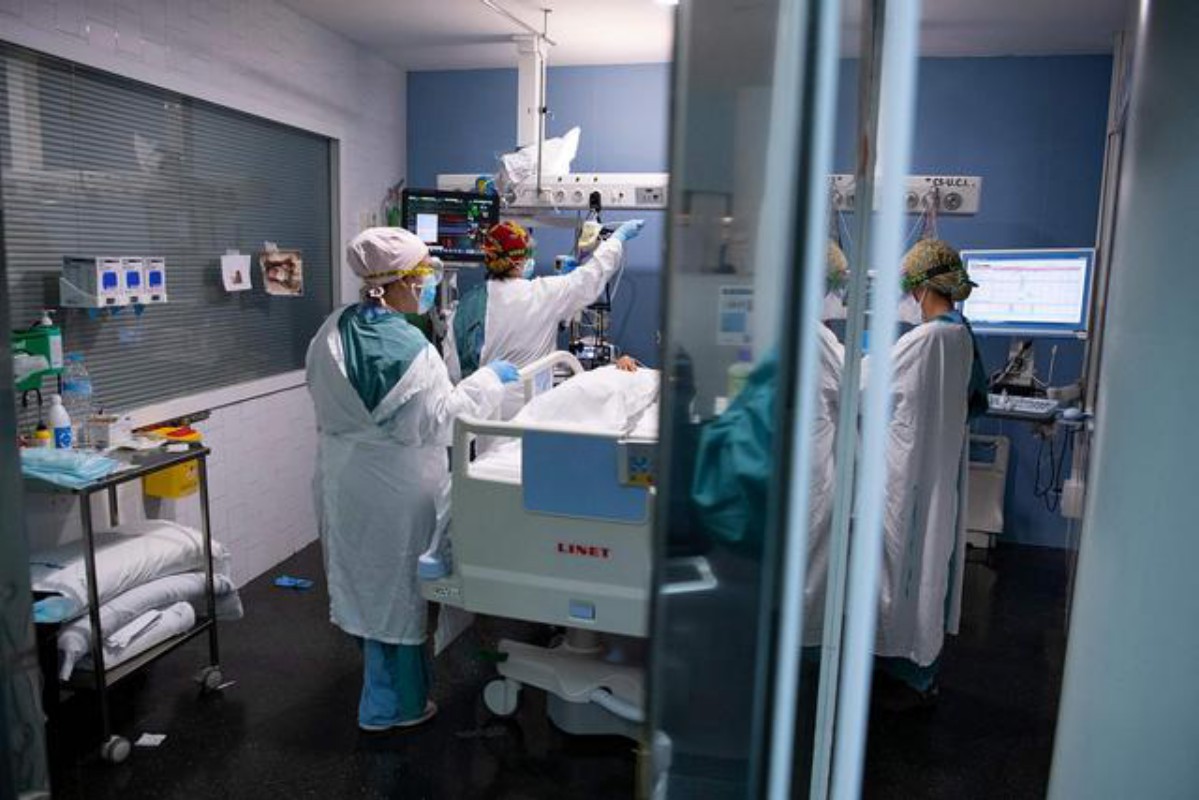
Chatting with friends later, I discovered that the methods for taking temperatures in Spain are quite varied and not standardized. Some people in the emergency room had a nurse scan their forehead with a non-contact forehead thermometer. Others experienced a more traditional approach, being given a digital thermometer to hold under their arm for a few minutes to get a reading. It seems the specific method used really depends on the hospital’s equipment and the on-duty nurse’s preference.
A Simple Comparison of Different Methods
To give you a clearer picture, I’ve put together a simple summary of the characteristics of these common methods (and for those interested in a career, here are some [hospital lab technician jobs]):
| Method | Pros | Cons |
|---|
| Ear Thermometer | Fast, relatively accurate | Needs correct placement in the ear canal; improper use can lead to errors |
| Forehead Thermometer | Contactless, hygienic, fast | Easily affected by ambient temperature and sweat |
| Digital Underarm Thermometer | Results are relatively stable | Takes longer, requires dry skin |
If you feel like you have a fever, it’s a good idea to take your temperature at home before going to the hospital, just so you have an initial reading. This way, when you see the doctor or nurse, you can tell them your specific temperature, for example, “Creo que tengo fiebre, en casa medí 38.5 grados” (I think I have a fever, I measured 38.5 degrees at home). This makes communication smoother and helps the doctor make a quicker assessment. I hope my little experience helps everyone out, and I wish you all good health. Hope you’ll never have to use this post!
