Having just arrived in Spain, I recently had a complete, end-to-end experience with the public hospital system due to a bout of acute gastroenteritis, from the ER to being admitted. It felt very different from back home. Seeing that there aren’t many posts on online forums that systematically explain this, I decided to document my experience as a reference for those who might need it, hoping to help you avoid some common pitfalls.
My Emergency Room Experience
One night, the stomach pain became unbearable, and a friend drove me to the nearest public hospital. We went straight to the entrance marked Urgencias. The first step inside wasn’t to find a doctor, but to go to the front desk. You’ll need to present your health card and ID. The staff will ask for basic information, like “What’s wrong?”, and then give you a wristband with your personal details and a barcode. This wristband is crucial, as it’s used to identify you throughout your stay.
Next comes triage. A nurse will take you to a small room to measure your temperature, blood pressure, and ask detailed questions about your symptoms, allergy history, etc. They will assess the urgency of your condition, which determines your waiting time. I was pale from the pain and was rated as a relatively urgent case, so I was called to see a doctor in about 20 minutes. Therefore, if you are in severe discomfort, be sure to clearly and accurately describe your level of pain to the triage nurse.
From the Observation Unit to Hospital Admission
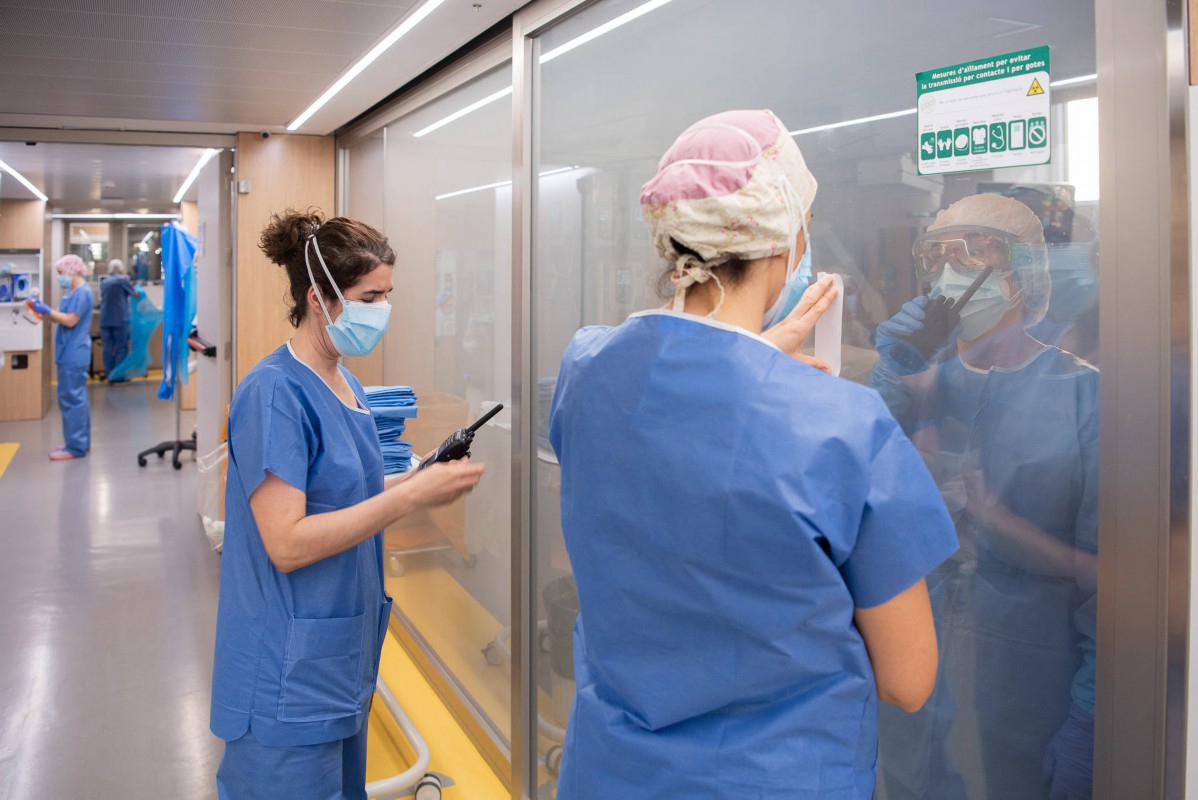
After an initial diagnosis, I was moved to an observation unit for an IV drip and further tests, like blood work and an ultrasound. The observation unit has many beds, much like a temporary ward. I stayed there for about half a day. Once all the test results were in, the doctor decided I needed to be admitted for treatment and issued an admission order. A hospital porter then wheeled me on a hospital bed from the ER area to a regular ward upstairs. The entire process was seamless; you hardly need to run around yourself, just follow the instructions.
Some Tips for Your Hospital Stay
Public hospital rooms in Spain are typically for one or two people and are quite well-equipped. However, there are a few things to note:
- Personal toiletries are not provided: You need to bring your own toothbrush, towel, slippers, etc.
- Family visiting hours are fixed, so be sure to follow the rules.
- Hospital food is rather bland. You can communicate any dietary restrictions to the nurses.
- The doctors doing rounds and your assigned nurses may change daily. Remember to inform the nurse on duty of any important information.
| Common Medical Stages | Spanish Term | Responsible Staff |
|---|
| Emergency | Urgencias | Médico de Urgencias |
| Triage | Triaje | Enfermero/a |
| Hospitalization / Admission | Hospitalización / Ingreso | Médico Especialista |
| Discharge | Alta Médica | Médico Especialista |
Finally, upon discharge, the doctor will give you a discharge summary (alta médica). This report details your diagnosis, treatment process, and follow-up recommendations, such as visiting your GP for a check-up or which medications to take. It’s crucial to keep this document safe. Overall, although the wait can sometimes be long (a common concern is Spanish hospital waiting times), the professionalism and human-centered approach of the Spanish public healthcare system left a deep impression on me. I hope everyone stays healthy and never needs to use this guide!
