When I first arrived in Spain, my biggest worry was what to do if I got sick. I’d heard all sorts of stories—some said public healthcare is free but the waiting lists are endless, while others claimed private insurance offers great service but can be a complex and costly affair. Recently, a minor surgery for a family member had me navigating both the public and private systems. Today, I want to share my genuine experience to offer some insights for fellow newcomers.
Public Hospitals: Appointments are Key, a Roll of the Dice for Emergencies
What we usually call ‘free healthcare’ refers to the public system. As long as you have legal residency and are registered with social security, you can apply for a health card (tarjeta sanitaria) and will be assigned a family doctor (médico de cabecera). The first step to getting medical care is to book an appointment with your family doctor. Nowadays, this can usually be done through an app or by phone, and you can typically get an appointment within a few days. The family doctor can handle most common ailments and, if necessary, will issue referrals for tests or to a specialist.
But here’s the catch—that ‘referral’ is where your patience is truly tested. It’s common to wait three to five months to see a dermatologist or an orthopedist. However, it’s a different story for emergencies. Patients are triaged based on the severity of their condition, and life-threatening cases are treated immediately. If you just have a common fever or cold, you might be sitting in the waiting area for several hours. The last time I went to the ER for acute gastroenteritis, I waited over three hours to see a doctor. Therefore, the public system is ideal for managing non-urgent chronic conditions and for true emergencies.
Private Hospitals: A Synonym for Efficiency
Later, when my family member needed a minor surgery, the public system’s waiting list was over six months long. We couldn’t wait, so we decided to use our private insurance. We have a comprehensive plan with Adeslas, and the experience was top-notch. We chose the hospital and doctor directly from the app, and we were able to see a specialist within a week. All the necessary tests were scheduled and completed promptly. The entire process was streamlined, efficient, and clear.
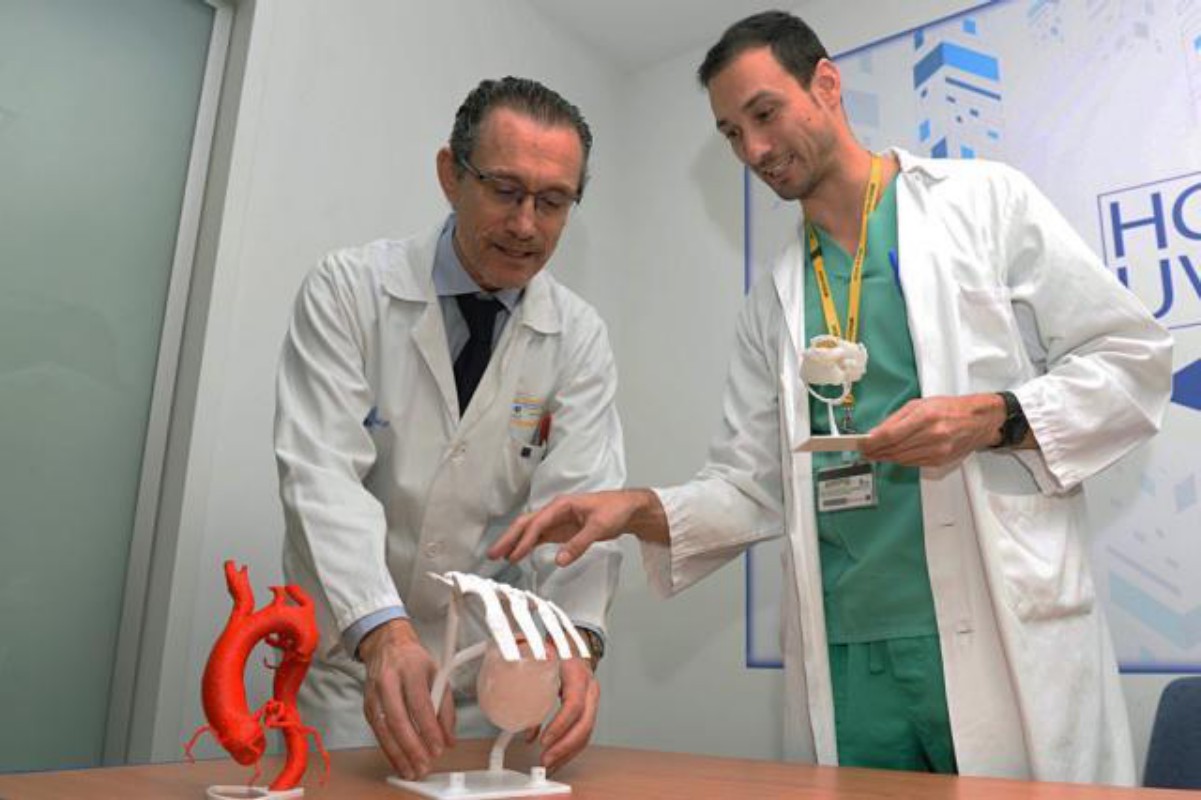
The environment and service in private hospitals are also undeniably superior, feeling more like a hotel. The doctors and nurses were incredibly friendly and took their time to explain the condition patiently. After the surgery, there was a private room, which made family visits convenient. Of course, all of this is contingent on having private health insurance. Without it, the costs at a private hospital can be astronomical. So, when it comes to seeing a doctor in Spain, if you value efficiency, better service, and your budget allows, getting a suitable private health insurance plan is a very worthwhile investment.
Public vs. Private: A Quick Comparison
To make it clearer, here is a simple comparison table:
| Feature | Public Hospital | Private Hospital |
|---|
| Cost | Mostly free | Requires private insurance, or self-pay |
| Appointment Speed | Slower, specialist waits can be several months | Fast, specialists usually seen within a week |
| Service Experience | Average, staff are often busy | Excellent, comfortable environment, attentive service |
| Best For | Chronic disease management, major emergencies, limited budgets | Those seeking efficiency, prioritizing experience, and with insurance |
Spain’s healthcare system has its pros and cons. The public system provides a fundamental safety net; although it can be slow, it is life-saving in critical moments and offers a high standard of care for major illnesses like cancer. The private system, on the other hand, provides efficiency and comfort. My advice is, if your circumstances permit, it’s best to have a dual approach combining both public and private options. For minor issues or when you need a quick diagnosis, use your private insurance. If you ever face a major illness requiring long-term treatment, the public system serves as a solid backup. What have your healthcare experiences been like? Feel free to share and discuss in the comments below!
