With our little one approaching school age, my partner and I have been stressing out over choosing the right school. Many friends have mentioned the IB curriculum, calling it the “golden ticket” to world-class universities, which definitely caught our attention. So, we started diving deep into the world of IB international schools in Spain. I’m starting this thread to share the basics of what I’ve learned about schools like Kensington School, and I’d also love to hear from those with firsthand experience.
What is the IB Curriculum?
Simply put, the IB is not a national education system but an independent, globally recognized international educational framework. It’s divided into several stages, with the most crucial being the final two years, the Diploma Programme (DP), which is a pre-university course. Its key feature is its breadth; students must study both arts and sciences, complete a community service component, write an extended essay, and take a course in Theory of Knowledge. It sounds incredibly demanding and requires a high level of all-around ability from students. However, the benefits are clear: an IB diploma is highly valued and recognized by universities worldwide. If you’re aiming for top universities in the UK or the US, a good IB score is a key asset.
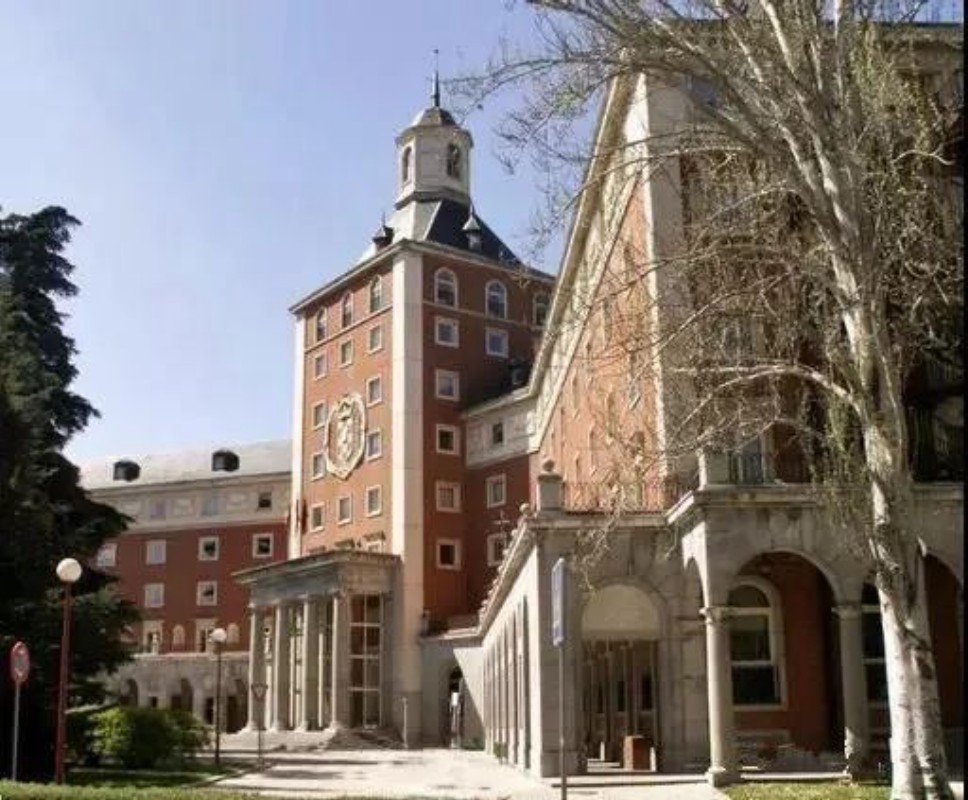
How to Choose an IB School?
There are quite a few schools offering the IB curriculum in Spain, mostly concentrated in Madrid and Barcelona. When choosing a school, I personally focus on a few key points:
- School History and Accreditation: Is it a well-established IB school with extensive teaching experience?
- Average IB Score: This is the most direct data point, which you can see in these IB results in Spain, reflecting the school’s teaching quality and student body. The global average IB score is around 30, so if a school consistently maintains an average above 35, it’s considered quite good. You can also look into the typical Madrid IB school fees for comparison.
- Faculty and Student Nationality Ratio: Are the teachers native English speakers? Is the student body diverse? This directly affects the language environment and cultural experience.
- Facilities and Location: This comes down to personal preference. A convenient commute and a pleasant campus environment are definitely a plus.
What’s the General Cost?
Now for the painful part: the cost. IB international school tuition is generally not cheap. I’ve looked up a few well-known schools in Madrid and Barcelona to give you a rough idea, but specific fees change annually, so be sure to confirm on the school’s official website. The following is a general range I put together, in euros per year, and it doesn’t include registration fees, lunch, school bus, or other extra costs.
| School Level | Approximate Annual Tuition |
|---|
| Early Years / Primary | €8,000 - €15,000 |
| Secondary School | €12,000 - €20,000 |
| IB DP Stage | €16,000 - €25,000+ |
Overall, it seems the IB path is filled with both opportunities and challenges. For students, the academic pressure is high, but it hones their all-around abilities and broadens their global perspective. For parents, the financial investment is huge, and it requires active involvement with the school—it’s not a matter of just paying the fees and you’re done. Are there any parents here whose children are currently in the IB program? Or any graduates who have been through it? I’d welcome you to share your thoughts, practical advice, real school reputations, or any application pitfalls to avoid… Thanks in advance everyone!
