A relative is considering sending their child to Spain for secondary school, so I’ve been helping them research the international schools here, particularly at the secondary level. I didn’t realize how many intricacies there were until I started looking into it. I’ve noticed that most discussions on this forum focus on primary schools and kindergartens, with less on secondary education. So, I’d like to start the conversation by sharing what I’ve learned about Spanish international secondary schools, and I welcome anyone with experience to add their insights or make corrections.
The Main Curricula in International Schools
Spain has a very diverse international school system, but the main secondary school curricula can generally be categorized into three types: the British system, the American system, and the International Baccalaureate (IB). While all three systems aim to prepare students for university applications worldwide, their focus and learning approaches are quite different.
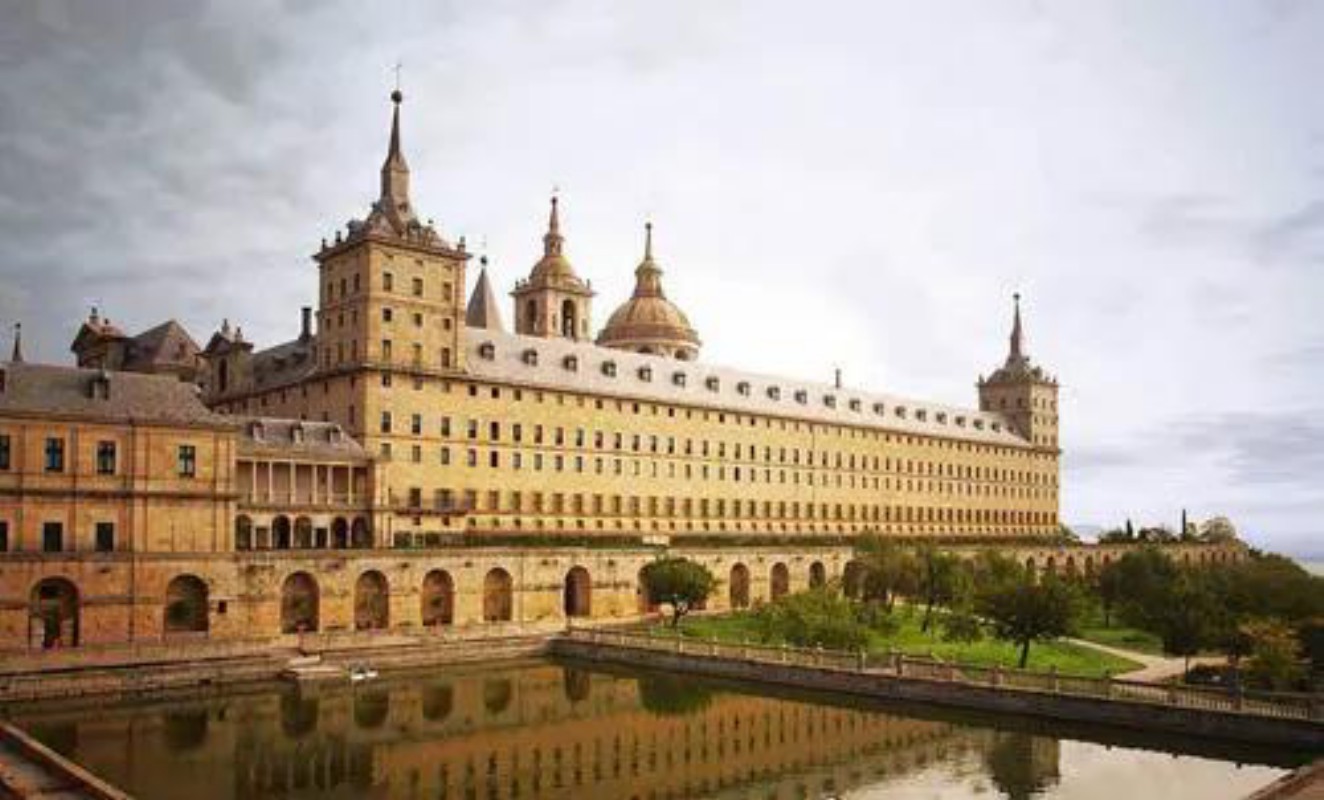
British, American, or IB?
To put it simply, the British A-Level system is about specialization. In their last two years of high school, students choose 3-4 subjects they are best at or most interested in to study in-depth. They then use the grades from these subjects to apply for university. The advantage is that students can play to their strengths and focus on their best subjects, making it ideal for those who have clear goals and excel in particular areas. The downside is that their breadth of knowledge might be narrower.
The American system is more flexible and uses a credit-based system. Students need to complete courses in various fields to earn their high school diploma. They can also take Advanced Placement (AP) courses to enhance their university applications. This system encourages broad exploration and participation in extracurricular activities, testing a student’s overall abilities and time management skills. It’s a good fit for students with a wide range of interests who are not yet sure about their future major.
The IB programme is often called the ‘most challenging’ system. It requires students to study both arts and sciences. In addition to taking courses from six different subject groups, students must complete three core components: Theory of Knowledge (TOK), the Extended Essay (EE), and Creativity, Activity, Service (CAS). This system places high demands on a student’s academic ability, inquiry skills, and overall personal development. Although it is a demanding journey, the IB Diploma is highly recognized globally, especially by top-tier universities.
To provide a clearer comparison, I’ve made a simple table:
| Curriculum | Key Features | Best Suited For |
|---|
| British A-Level | Focus on 3-4 specialized subjects in-depth | Students with clear goals and strong subject-specific talents |
| American AP | Flexible course selection, credit-based, emphasizes holistic development | Students with broad interests and strong all-around abilities |
| IBDP | Balanced arts & sciences, academically challenging, high global recognition | Academically strong, well-rounded, high-achieving students |
There’s no single ‘best’ system; the key is to consider your child’s personality, strengths, and future plans. For example, if your child is likely aiming for a university in the UK or a Commonwealth country, A-Levels would be the most direct and efficient path. If the goal is an Ivy League university in the US, the diverse American curriculum and AP exams provide an excellent springboard. And if your child is an all-rounder who wants a challenge, the IB is undoubtedly the gold standard. Of course, other factors like [Spanish international school uniforms] and the overall Spanish international school fees also play a role in the decision. What system are your children in? How do you feel about it? Please share your experiences to help others who are navigating this process! Making a choice is so tough.
