Lately, many people on online forums have been asking about choosing a major for studying in Spain. Someone mentioned dentistry, and since a friend of mine is studying it here, I thought I’d share what I know about related fields like life sciences in Spain, hoping it helps anyone interested.
Studying Dentistry in Spain: Is It Worth It?
In short: Absolutely! A great choice
! In Spain, being a dentist is a high-status profession with a great income. The quality of dental education in Spain is among the best in Europe, and the degree is widely recognized across the EU. This gives graduates a significant advantage whether they choose to practice in Spain or other EU countries. Furthermore, dental clinics are widespread in Spain, indicating a strong market demand and excellent job prospects.
Public vs. Private Universities: A Tough Choice
This is what most people struggle with. Simply put, public universities have higher entry requirements and lower tuition fees, while private universities have relatively lower requirements but are much more expensive. However, ‘relatively lower’ doesn’t mean they don’t look at your grades; it’s just not as fiercely competitive as getting into public universities for fields like biosciences in Spanish universities
. Here’s a simple comparison table:
| Features | Public Universities | Private Universities |
|---|
| Admission Requirements | Very high | More flexible, greater emphasis on interviews and overall profile |
| Annual Tuition | Approx. €1,000 - €2,000 | Approx. €15,000 - €22,000 |
| Notable Institutions | Complutense University of Madrid, University of Barcelona | Alfonso X el Sabio University, CEU San Pablo University |
| Pros & Cons | Affordable tuition, high academic reputation | Modern facilities, more practical opportunities, relatively easier admission |
To apply, language proficiency is a strict requirement; you’ll need at least a DELE B2 level to understand the lectures. International high school graduates often need to have their national exam scores converted to the Spanish grading system and may take specific university entrance exams (Pruebas de Competencias Específicas - PCE) to boost their total score for a chance at public universities. The entire program is 5 years long and is quite demanding. The curriculum is packed, blending theory with practice, and requires strong hands-on skills.
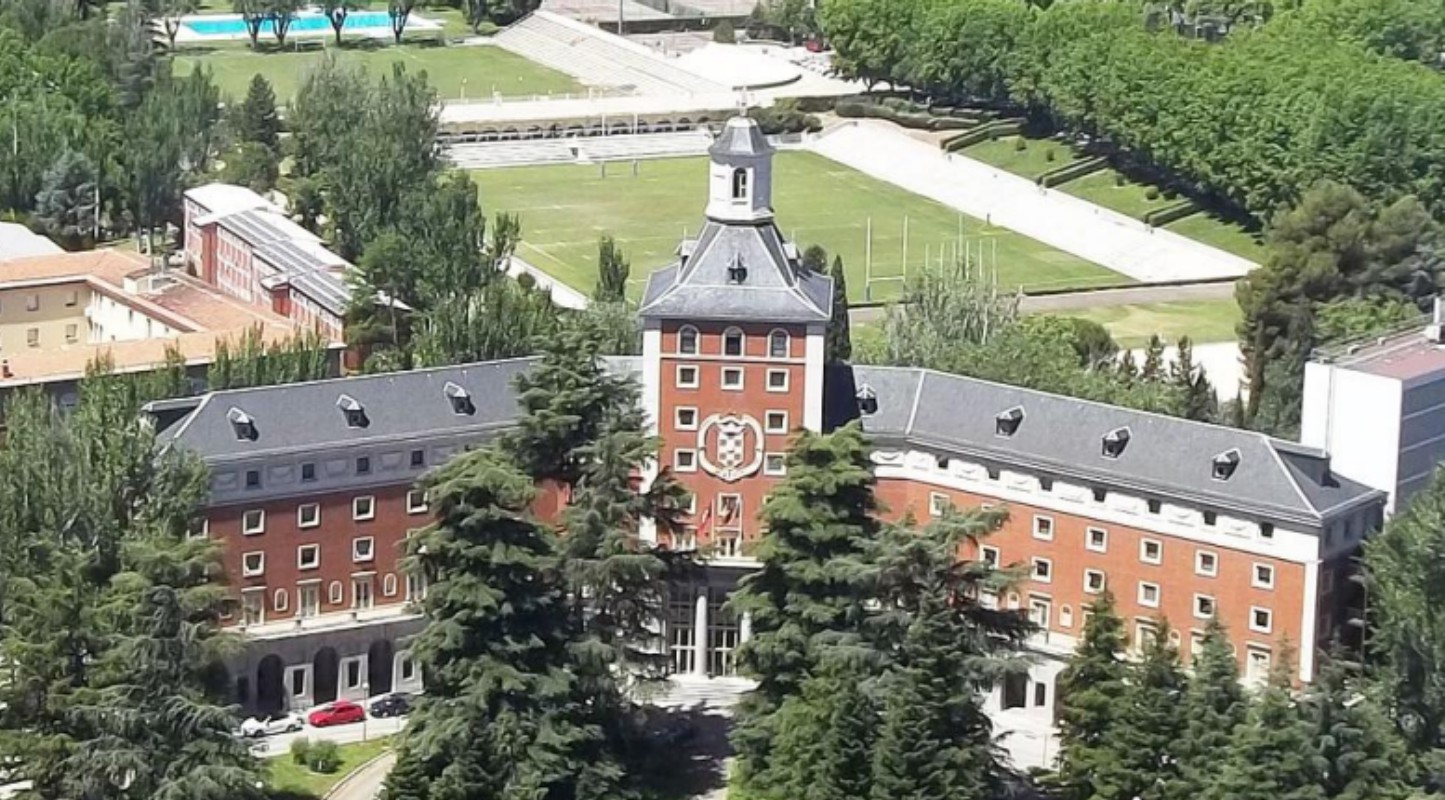
Starting from the third or fourth year, you’ll get extensive clinical internship opportunities, treating real patients directly at the university’s affiliated dental hospital. This is the most crucial and formative part of the education. Take a look at this learning environment, doesn’t it look professional?
After graduation, most people work in private clinics to gain a few years of experience and capital, eventually opening their own practice when they are ready. Of course, you can also choose to pursue further studies, such as a master’s degree in orthodontics or implantology, to become more competitive. In conclusion, this path requires a significant upfront investment and involves a lot of academic pressure. While it doesn’t guarantee you’ll become a top earner making hundreds of thousands of euros a year, the income is certainly substantial, and all the hard work pays off!
Alright, that’s all I have to share for now. Is there anyone here studying dentistry in Spain? Feel free to add your insights and share your experiences!
