Having just moved to Barcelona, I’ve been deep in research about my kid’s schooling, and my head is spinning. After looking around, it seems the public, private, and semi-private (concertado) systems are all quite complex, so I’ve decided to focus on international schools. But that brought a new set of questions. The international schools here in Spain offer a wide variety of curriculums—British, American, IB… I wouldn’t dare make a choice without understanding them first. I’ve spent a lot of time doing my homework and wanted to share what I’ve learned with fellow parents who are also navigating the school selection process. Let’s discuss!
An Analysis of Mainstream International Curriculums
Simply put, international schools in Spain primarily follow three major systems: British, American, and IB. Of course, there are also German and French schools, but these three are the most common. Each has its own educational philosophy and pathway to higher education, and the differences are quite significant.
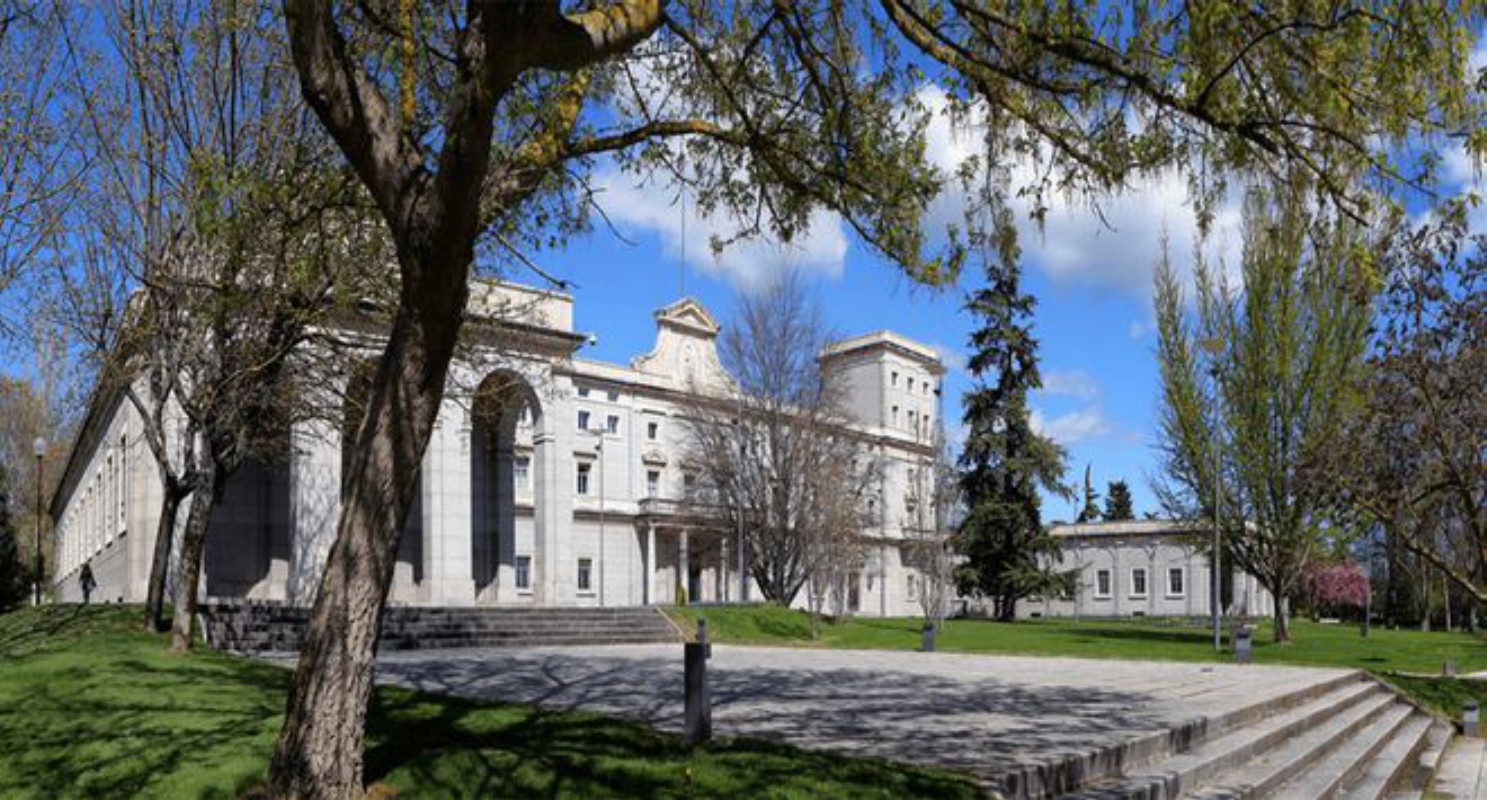
British System Schools
British system schools are likely the most numerous, adopting the UK’s educational framework. From primary to high school, the curriculum and exams are aligned with those in the UK. The core components are the two major examinations: GCSE and A-Level. The key feature of A-Levels is that students can focus on studying just 3-4 subjects based on their interests and future university major. The advantage of this system is its strong specialization, allowing children to delve deep into their areas of strength from an early age, which is highly beneficial for applying to universities in the UK, Hong Kong, or other Commonwealth countries. However, the downside is also clear: the breadth of knowledge is relatively narrow, which can be a disadvantage if a child hasn’t yet discovered their interests.
American System Schools
American system schools operate on a completely different model. Their curriculum is very flexible, emphasizing a liberal arts education and the holistic development of the student. The core offering in high school is the AP (Advanced Placement) program. Students can choose to take as many AP courses as they can handle. Passing these exams can boost their applications to US universities and even earn them college credits. The American system places great importance on a student’s overall profile, including extracurricular activities, community service, and leadership skills, not just their academic transcript. This is a key difference among the various Spanish international school systems, so if your child’s goal is to head to the US for college, an American school is the obvious choice.
The IB Curriculum
Finally, let’s talk about the prestigious IB (International Baccalaureate). This system doesn’t belong to any single country; it’s a truly ‘international’ curriculum recognized by most universities worldwide. The IB curriculum is comprehensive, divided into the PYP (Primary Years Programme), MYP (Middle Years Programme), and DP (Diploma Programme). Its challenge lies in requiring students to be well-rounded in both humanities and sciences. In addition to studying courses from six subject groups, students must complete three core components: Theory of Knowledge (TOK), the Extended Essay (EE), and Creativity, Activity, Service (CAS). The IB demands a very high level of overall competence, time management, and academic inquiry from students, and the academic pressure is intense. Of course, the rewards are substantial; a strong IB diploma is essentially a golden ticket for applying to the world’s top universities.
To make it clearer, I’ve created a simple comparison table:
| Curriculum System | Key Courses/Exams | Pros | Cons |
|---|
| British | GCSE, A-Level | Highly specialized, in-depth study | Relatively narrow scope of knowledge |
| American | AP | Flexible, focuses on holistic profile | Less advantageous for non-US universities |
| IB | DP | High global recognition, strong all-around skills | Demanding, high academic pressure |
There is no ‘best’ system, only the one that is most suitable for your child. It’s essential to consider your child’s personality, interests, and future plans. How are you all approaching the school selection process for your kids? Feel free to share your experiences in the comments!
