Lately, discussions about buying property have been popping up more frequently on the forums. Like many of you, I’m considering it not just for a primary residence but also for generating passive income through rentals. However, when it comes to the returns on Spanish property, how are the ‘high returns of 5%-7%’ that agents often quote actually calculated? What’s the real story? I’ve spent some time looking into this and want to share what I’ve found to help you avoid some common pitfalls.
Don’t Just Look at Gross Yield, Net Yield Is What Matters
Many people calculate rental yield using a very simple formula: Annual Rent / Total Property Price. For example, for a €200,000 property with a monthly rent of €800, the annual rent is €9,600. This gives a yield of 4.8%. Sounds pretty good, right? But this is the gross yield, a figure often used to talk about returns on Spanish property, which completely ignores holding costs. The actual money you pocket is much less.
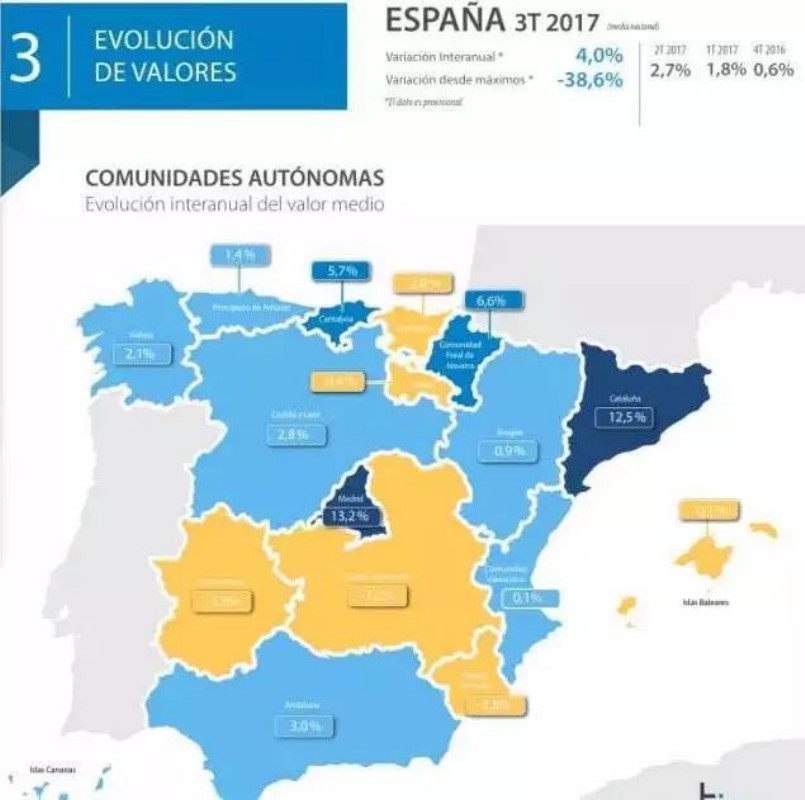
To calculate the true net yield, we need to subtract a whole bunch of miscellaneous expenses from the annual rent. These costs primarily include:
- Community fees (Gastos de comunidad): Varies from tens to hundreds of euros per month, depending on the building’s facilities and services.
- Property tax (IBI - Impuesto sobre Bienes Inmuebles): An annual tax calculated based on the cadastral value (valor catastral). It’s a significant expense.
- Income tax (IRPF): Rental income must be declared for tax purposes. Although there are many deductible expenses, tax planning here is crucial.
- Waste collection fee (Tasa de basuras): Some municipalities charge this separately.
- Home insurance (Seguro de hogar): As a landlord, this is practically a must-have.
- Agency management fees: If you’re not living locally and hire an agency to manage the property, the fee is typically one month’s rent or 5%-10% of the annual rent. This is a key factor in your overall rental yield.
- Maintenance and vacancy costs: Properties will always need repairs, and there might be vacant periods between tenants. It’s wise to budget for this, estimating about 5% of the annual rent.
Yield Comparison Across Different Cities
I’ve put together a brief comparison of average rental yields in a few popular cities. The data is just a rough guide; actual returns will depend heavily on the specific neighborhood and property type. Second-tier cities like Valencia and Seville generally offer higher rental yields than Madrid and Barcelona because their property prices are relatively lower.
| City | Average Price/m² | Average Monthly Rent/m² | Approx. Gross Yield |
|---|
| Madrid | €4,000 | €17 | 5.1% |
| Barcelona | €4,100 | €18 | 5.2% |
| Valencia | €2,200 | €11 | 6.0% |
| Seville | €2,100 | €10 | 5.7% |
After factoring all this in, you’ll find that the initial 4.8% gross yield, once all costs are deducted, could drop to a net yield of just 2.5% - 3.5%. This figure is much closer to what you’ll actually pocket. Of course, this doesn’t even account for the future appreciation of the property itself. So, investing in Spanish real estate is a technical endeavor; you can’t just take someone’s word for it. You have to do the math yourself. I hope my breakdown is helpful, and I welcome experienced investors to add their insights and join the discussion!
