I just went through the closing process for a resale property in Barcelona. It wasn’t overly complicated, but the details are numerous, and it’s easy to miss something. I haven’t seen a systematic guide on the forums, so I decided to compile my experience to serve as a reference for others. I hope this helps!
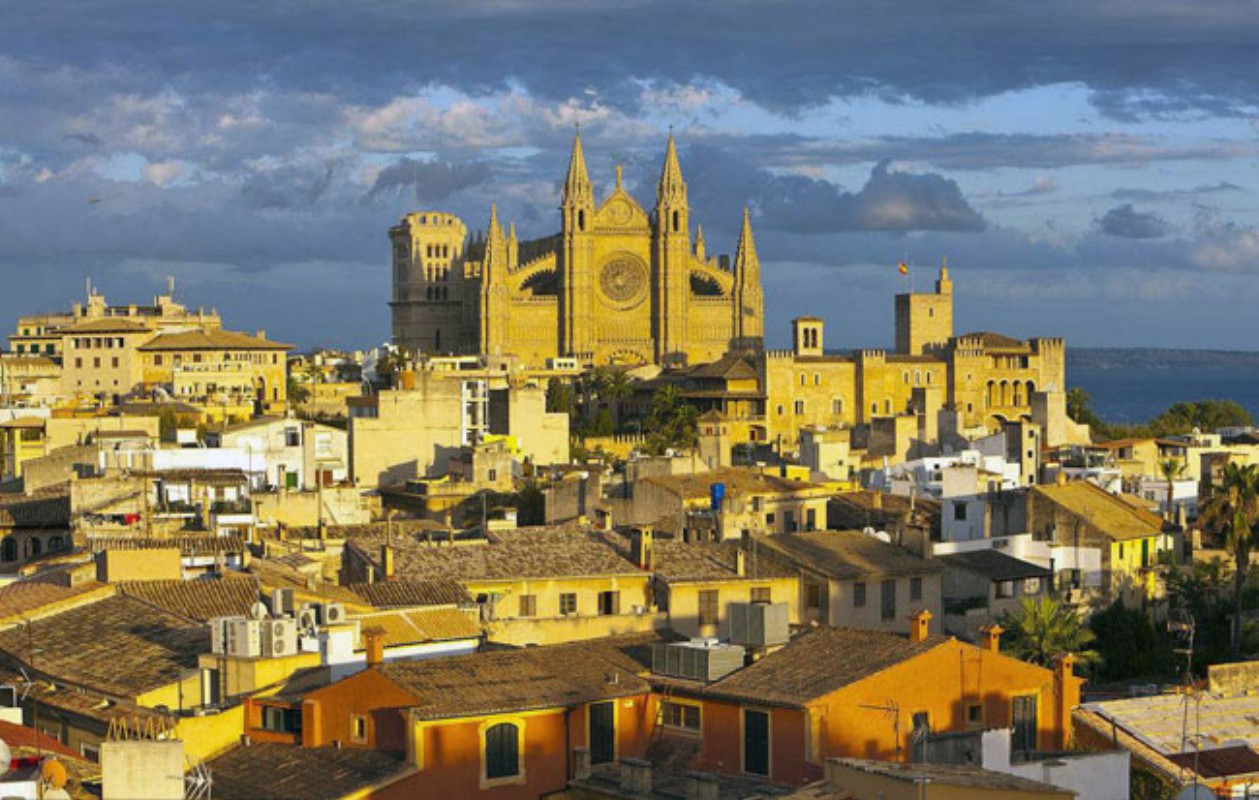
The Four Core Steps of Property Closing
The process of buying a resale home can be summarized in four core steps, including paying the [Property Transfer Tax]. Whether you handle it yourself or hire a lawyer, this process is unavoidable. I personally hired a lawyer, which saved me a lot of hassle, though it cost a bit more. You can decide based on your Spanish proficiency and energy levels.
Step 1: Signing the Reservation Contract (Contrato de Arras)
Once you’ve found a property you love and agreed on a price with the owner, the first step is to sign the reservation contract. This acts as a deposit agreement, where you pay a deposit to the owner to take the property off the market. The contract will specify the total price, payment method, and the date for signing the final purchase deed at the notary’s office. Note: If the buyer backs out, the deposit is usually forfeited. If the seller backs out, they typically have to pay back double the deposit. Therefore, before signing, it’s crucial to have your lawyer do a background check on the property to confirm details like whether it has any outstanding debts or if the title is clear.
Step 2: Preparing Documents and Funds
After signing the reservation contract, it’s time to prepare the documents and funds for the final closing. The most crucial items are:
- NIE number and a Spanish bank account: These are mandatory. All financial aspects of the [property transfer] will be handled through this account.
- Purchase funds: The remaining balance needs to be paid to the seller on the day of signing at the notary via a bank draft (cheque bancario).
- Taxes and fees: This is a major part of the expenses, primarily the Property Transfer Tax (ITP), which varies by autonomous community, typically ranging from 6% to 10%. Additionally, there are notary fees, property registration fees, lawyer fees, etc.
Step 3: Signing the Final Deed at the Notary’s Office
On the scheduled date, both the buyer and seller go to the notary’s office together. The notary will read the entire, lengthy purchase deed (Escritura de Compraventa) aloud in front of everyone. Once everything is confirmed to be correct, all parties sign it. You hand over the bank draft to the seller, and the seller gives you the keys. At this moment, the property is legally yours! So exciting
!
Step 4: Paying Taxes and Property Registration
Don’t think it’s all over after signing! The final and most crucial step is to take the public deed to the tax office to pay the transfer tax, and then go to the Property Registry (Registro de la Propiedad)
to officially register the property in your name. A lawyer usually handles this entire process, which can take about 1-3 months. Once completed, you will receive the new property deed (Nota Simple), and then the process is truly finished! For context on the market, you can read about the latest Spanish property transfer rates. Below is a reference for the costs involved to give you an idea:
| Expense Item | Approx. Amount / Rate | Notes |
|---|
| Transfer Tax (ITP) | 6% - 10% of the property price | Rates vary by region; it’s 10% in Catalonia |
| Notary Fees | €600 - €1,000 | Varies based on property price |
| Property Registry Fees | €400 - €800 | Varies based on property price |
| Lawyer / Gestoría Fees | Around 1% of the property price | Negotiable; price varies by scope of services |
Reflecting on the whole process, I feel that finding a reliable lawyer or agent when buying property in Spain is incredibly important. They not only handle the tedious paperwork for you but, most importantly, help you avoid potential legal and financial risks. I hope my experience is helpful to you all, and I wish everyone a smooth journey to settling down in Spain!
