Recently, I’ve seen many people on forums discussing buying property in Spain. Some are looking for an investment, others for their children’s education, and some simply love the lifestyle here. As someone who has navigated the Spanish property market for a few years and learned from a few mistakes, I wanted to share some personal observations and tips to help others who are starting their journey. This isn’t an agent’s pitch; it’s a genuine homeowner’s perspective on the real Spanish property market.
Don’t Just Focus on Big Cities; Regional Differences Are Key
When people think of buying property in Spain, Madrid and Barcelona are often the first places that come to mind. While these cities are indeed economic and cultural hubs with strong property value retention, the downside is that prices have been pushed quite high, and desirable properties for Spanish property investment are snapped up almost immediately. For those with a limited budget or who are seeking a better quality of life, it’s worth looking at second-tier cities like Valencia, Málaga, Seville, or even Bilbao in the north. The property prices in these places are more affordable, the pace of life is slower, and there’s no shortage of sunshine and great food. Valencia, in particular, has seen strong growth in recent years, but overall prices are still reasonable, offering great value for both living and renting out.
City Center vs. Suburbs: Calculate Your Total Cost of Living
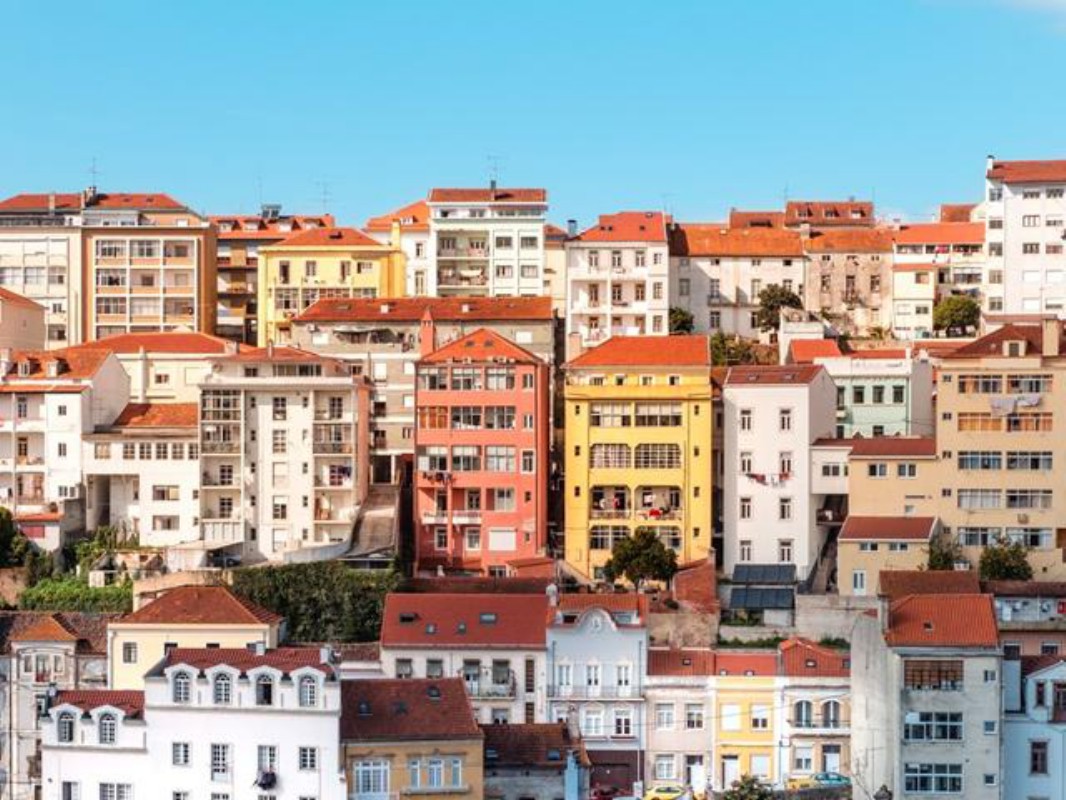
Once you’ve chosen a city, the next step is selecting the right neighborhood. Take Madrid, for example. The Salamanca district in the city center is, of course, a prime, affluent area where a standard apartment can easily cost over a million euros. However, if you look slightly further out, near Retiro Park or in northern areas like Chamartín, prices become more friendly, and the quality of life is still excellent. If school districts are a priority, you’ll need to research the specific school locations. It’s crucial to note that property taxes, community fees, and overall holding costs vary dramatically between areas in Spain. Before buying, make sure your agent or lawyer provides a detailed list of these expenses. Don’t just look at the purchase price; you need to calculate the total cost. I’ve seen people buy large, cheaper houses in the suburbs only to find the daily commute time and costs unbearable, which ultimately wasn’t worth the trade-off.
Here’s a rough guide to prices in a few popular cities based on recent data:
| City | City Center Apt. Avg. Price (€/m²) | Suburban Apt. Avg. Price (€/m²) | Rental Yield |
|---|
| Madrid | 5,000 - 8,000 | 3,000 - 4,500 | 3% - 5% |
| Barcelona | 4,500 - 7,500 | 2,800 - 4,000 | 3.5% - 5.5% |
| Valencia | 2,500 - 4,000 | 1,500 - 2,500 | 4.5% - 7% |
| Málaga | 3,000 - 5,000 | 2,000 - 3,000 | 5% - 7.5% |
New Build or Resale? A Key Decision in the Spanish property Market
The Spanish market is dominated by resale properties; new developments are relatively less common. The advantages of resale homes are their prime locations, wider selection, and the fact that they are often ready to move into. But the drawbacks are also clear: older buildings may require plumbing and electrical updates, and you might come across some ‘unique’ layouts. When buying a resale property, especially one over 30 years old, it’s highly recommended to hire a professional surveyor for a detailed building inspection report. Considering the long-term Spanish property appreciation, spending a few hundred euros on a survey for peace of mind is a wise investment. New builds, on the other hand, are much more hassle-free, with modern designs, better energy efficiency, and often come with communal amenities like pools and gyms. The downsides are that they might be located further out, cost more, and require waiting for construction to finish. The choice between them depends entirely on your personal needs and risk tolerance.
In conclusion, buying a property in Spain is a major undertaking, so don’t rush into it. Do your research, ask plenty of questions, and compare different options. Finding a reliable lawyer is far more important than finding a smooth-talking real estate agent. A lawyer will review all legal documents and ensure the transaction is secure. I hope everyone finds their dream home in Spain! Feel free to reply and share your own property hunting experiences!
