Having been in Spain for a few years, I’ve always rented. Recently, I’ve managed to save up some money, and with news of rising rents, I’ve started thinking about buying a property. It’s not just for my own use; I’m also considering it as an investment. After spending a lot of time digging through information and talking to friends who’ve bought homes and gotten mortgages, I decided to start this thread to share my findings. I’m just sharing my two cents to get the ball rolling and would love to hear everyone’s thoughts.
Where to Buy? My City Selection Strategy
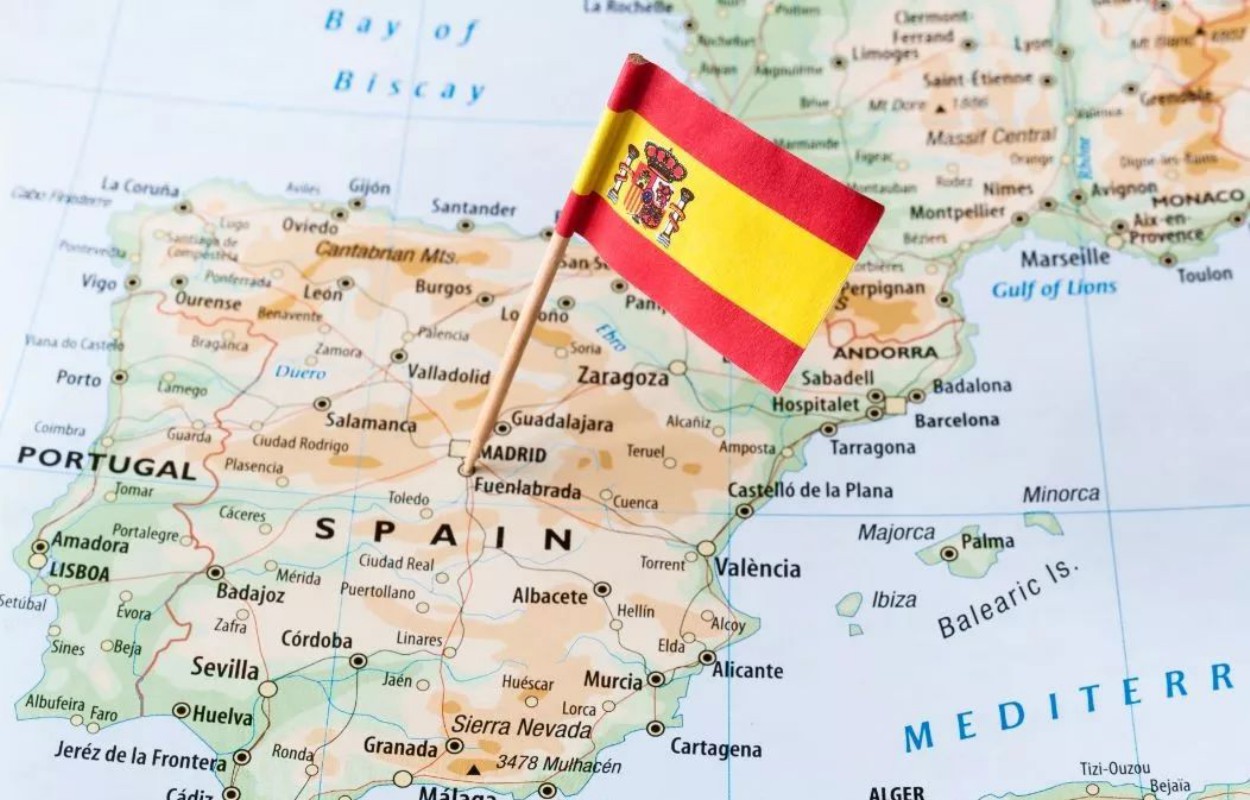
Spain is a big country, so the first question is where to buy. I’m personally leaning towards the three major metropolitan areas: Madrid, Barcelona, and Valencia.
- Madrid: As the capital, it’s the economic and political center with a net population influx. This means plenty of opportunities and the greatest potential for property value preservation and appreciation. The downside is the cost; a decent apartment in the city center is not cheap. It’s ideal for those with a sufficient budget looking for stable, long-term returns.
- Barcelona: A major tourist city, highly international, with an unbeatable climate and lifestyle. Properties here are easy to rent out, especially during the high season. However, the high volume of tourists brings management challenges, and some municipal policies on buying property in Spain aren’t very landlord-friendly. I’d say it’s a high-risk, high-reward option.
- Valencia and its surroundings: This is what I consider a high-potential area. Firstly, property prices are much more affordable compared to Madrid and Barcelona. Secondly, it perfectly embodies the Mediterranean lifestyle with its sun, beaches, and food, all with a lower cost of living. It’s attracting a growing number of European retirees and digital nomads. I feel there’s significant potential for appreciation here.
What About Investment Types?
Once you’ve narrowed down the city, you need to decide on the type of property. There are mainly two approaches:
- Long-term Rentals: Buy a second-hand apartment, give it a simple renovation, and rent it out for a steady monthly income. This is the safest way to invest in Spanish real estate, providing a healthy cash flow. The drawback is that the return on investment isn’t exceptionally high, and you have to deal with tenant issues. Location is crucial; it’s best to choose properties near universities, business districts, or with good transport links.
- Short-term/Tourist Rentals: In tourist cities like Barcelona, Malaga, or Seville, turning a property into a holiday rental can be very profitable. However, many cities are now tightening regulations on tourist licenses, with some even halting the issuance of new ones. It is absolutely crucial to confirm whether the property already has a license or meets the application requirements before buying. Otherwise, you could be walking into a major trap.
Key Taxes and Procedures
Buying a property involves more than just the sale price; the various taxes and fees add up to a significant expense. I’ve put together a simple table for reference, which mainly applies to second-hand properties (taxes for new builds are different).
| Tax/Fee Item | Rate/Cost | Paid by |
|---|
| ITP (Property Transfer Tax) | Varies by region, typically 6%-10% | Buyer |
| Notary Fees (Notaría) | Tiered fee based on property value | Buyer |
| Land Registry Fees (Registro) | Tiered fee based on property value | Buyer |
| Admin/Agency Fees (Gestoría) | Market rate, usually a few hundred euros | Buyer |
| Municipal Capital Gains Tax (Plusvalía) | Calculated by the city council | Buyer Seller |
A quick note on the Plusvalía Municipal: while the law states it should be paid by the seller, in practice, some sellers may try to shift this cost to the buyer in the contract. Pay close attention to this when viewing properties and negotiating the contract. All in all, I’d recommend budgeting an extra 10%-15% of the property price to cover all these miscellaneous expenses.
So, that’s a summary of my recent research. It seems that investing in property in Spain has its complexities. Every step requires caution, a lot of research, and asking questions. It’s probably best to find a reliable lawyer or real estate agent. Are there any veterans on the forum who have already bought a property? Feel free to share your experiences, or even some cautionary tales to bring me back to earth!
