Recently, I’ve seen many friends on forums who have just moved to Spain discussing their children’s schooling, especially debating whether to choose a private school. My eldest has been attending a private school in the suburbs of Madrid for almost two years, and I wanted to share my experience. This is just my personal take, but I hope it can be a helpful reference for you.
When we first decided on a private school, we had a few key considerations. First was the language environment. Most private schools, especially international ones, have a high proportion of instruction in English, with some being fully English-speaking. We wanted our child to master Spanish without letting their English fall behind, giving them more options in the future. Second was the small class size. A typical class has no more than 20 students, allowing teachers to give individual attention to each child. This is particularly important for children who have just arrived in Spain and are not yet fluent in the language. Lastly, there’s the wide range of extracurricular activities, such as horse riding, golf, and musical instruments, which public schools generally don’t offer.
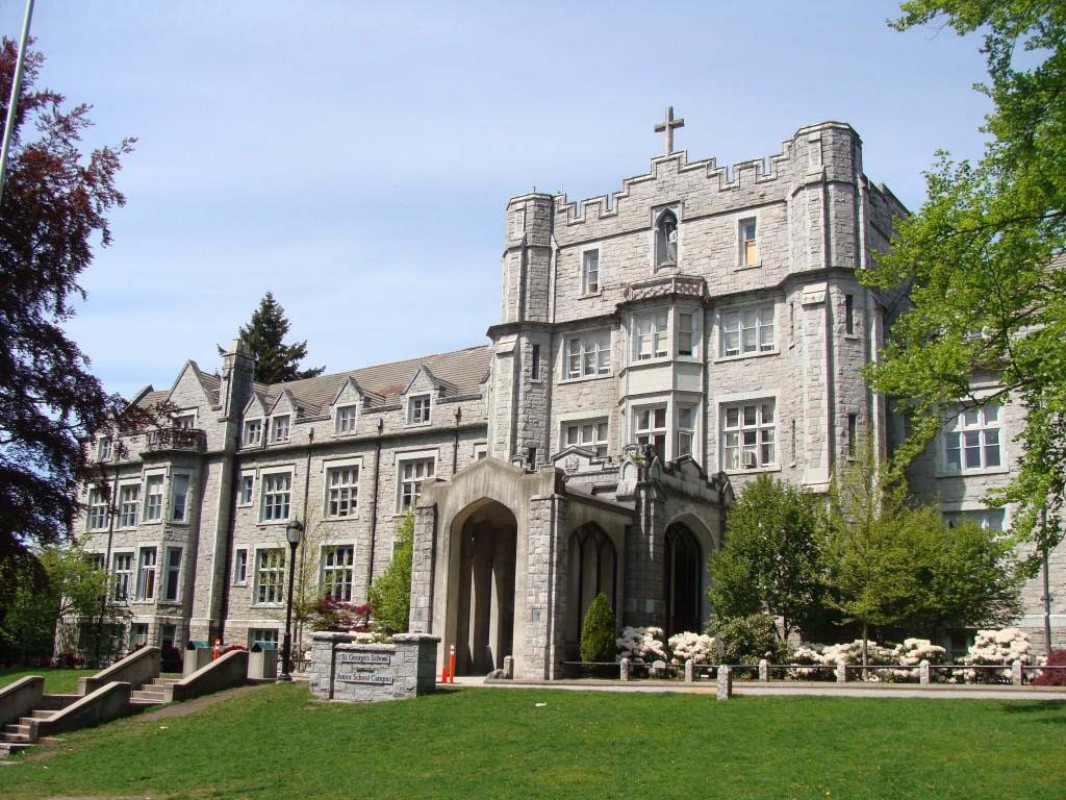
Private schools aren’t perfect, of course. The biggest downside is that they are expensive! Tuition can range from a few thousand to over twenty thousand euros per year, and that’s not including enrollment fees, lunch, school bus, uniforms, books, and materials. For our mid-range school, the total annual cost comes to around twelve thousand euros, which is certainly a significant expense. Another point is that children in private schools often come from well-off families, and we were a bit concerned about our child developing a ‘keeping up with the Joneses’ mentality. You also need to consider how the school handles problems; for example, it’s worth knowing what to do if your child gets injured at school. This is why we make a special effort to guide them on this at home.
A Comparison of Common School Types
To help you understand the options, here’s a simple table comparing the main differences:
| Type | Tuition | Language of Instruction | Extracurriculars | Admission Difficulty |
|---|
| Public | Free | Mainly Spanish | Basic | Points-based by school district |
| Semi-private | Low cost or free | Mainly Spanish, some bilingual | More variety | Points-based, some requirements |
| Private | Expensive | Bilingual or fully foreign language | Extensive | School-based admissions |
Whether to choose a private school is a very personal decision. It really comes down to your family’s financial situation, your plans for your child’s future, and your child’s personality. If you have a sufficient budget and want your child to receive a more international education, a private school is a great choice. However, if your budget is limited or you’d prefer your child to integrate more fully into the local culture, a good public or semi-private school can also meet your needs. Before making a decision, it’s crucial to attend as many school Open Days as you can. Get a personal feel for the school’s atmosphere, chat with the principal and teachers—it’s more effective than reading any brochure. I hope everyone finds the perfect school for their child!
