When I first arrived in Spain, my Spanish was just good enough to order food and ask for directions. But to better integrate into life here—aided by some great Spanish self-study apps—and for future job opportunities, I decided to bite the bullet and get a certificate to prove my language skills. After some research, I zeroed in on the two main exams: DELE and SIELE. Today, from the perspective of an average test-taker, I’m sharing my self-study journey, hoping it can be a reference for fellow learners.
DELE vs. SIELE: Which One Should I Choose?
Many people grapple with this decision at the beginning. To put it simply, DELE is like the IELTS; the certificate is valid for life, the content is more traditional and academic, and exam dates are fixed each year. SIELE, on the other hand, is more like the Duolingo English Test or TOEFL Home Edition; it’s computer-based, results come back quickly, the certificate is valid for one year, and the format is more flexible. Because I needed a certificate quickly, my first Spanish proficiency exam was the SIELE. Later, for a more permanent qualification, I challenged the DELE B2. My advice is: If you’re not in a rush and have a clear long-term goal, aim for the DELE. If you need fast results to prove your level or feel anxious about traditional exams, SIELE is a great option.
My Go-To Study Materials
The key to self-study is finding the right materials. There’s a huge variety out there, and after some trial and error, I’ve filtered it down to a few that I found most useful:
| Resource Type | Recommendation | Why I Recommend It |
|---|
| Official Guides | El Cronómetro / Preparación al DELE | Essential! They help you understand the exam structure and question types, and the difficulty is very close to the real exam. |
| Grammar & Vocab Book | Uso de la gramática española | Its grammar and vocabulary explanations are very well-organized, perfect for systematic learning. |
| Online Resources | RTVE / El País | Excellent materials for practicing listening and reading. The content is authentic and covers current events. |
| Practice Test App | DELE A2-B1-B2 Test | Good for practicing questions in your spare time and getting familiar with the format, but don’t rely on it completely. |
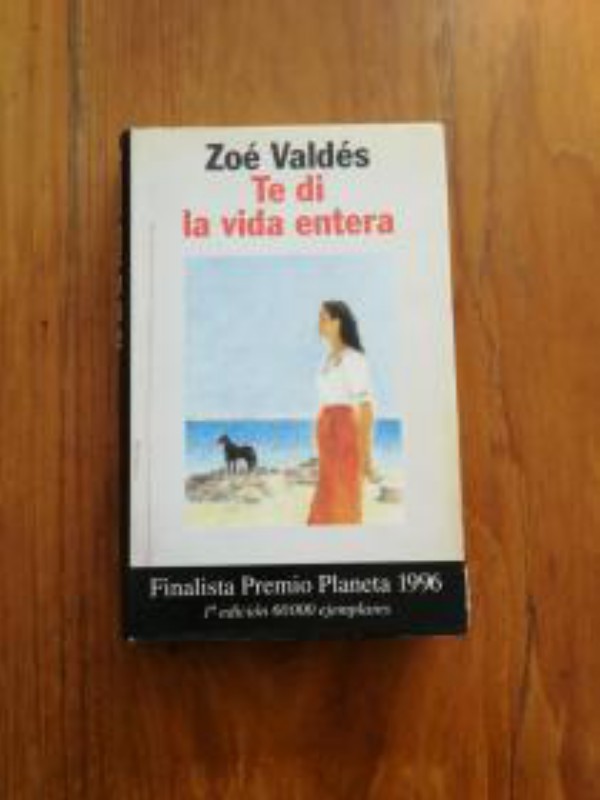
Besides these, I highly recommend finding a language exchange partner. I met a lovely Spanish grandmother in a park who wanted to learn Chinese. We started meeting for coffee and conversation every week, and my speaking and listening skills improved by leaps and bounds! It’s so much more effective than just burying your head in books. Don’t be shy—speak up! Spanish people are very warm and won’t make fun of your grammar mistakes.
Finally, I want to say that the preparation process can be really tedious, especially when you’re juggling work and study. But seeing yourself understand more and more Spanish news, or having deeper conversations with your neighbors, brings an irreplaceable sense of achievement. I thought about giving up a million times, but pushing through is absolutely worth it. I hope my small experience helps you all, and I welcome fellow test-takers to share your favorite prep tools and tips in the comments below! ¡Ánimo a todos!
