Hey everyone, I’ve been a long-time lurker here and noticed many people on the forum discussing how to learn Spanish, particularly how to reach the B2 level. When I first arrived in Spain, my Spanish was quite broken. It took me about a year and a half of self-study, but I finally managed to pass the DELE B2 exam. Today, I’m plucking up the courage to share my personal journey, hoping it can be of some help to those of you who are also working towards this goal. I’m no expert, so please go easy on me!
Core Strategy: Practice Listening, Speaking, Reading, and Writing Concurrently
When I first started, I struggled with whether to cram vocabulary first or master the grammar. I soon realized that language learning is a systematic process, and focusing on just one skill at a time is highly inefficient. My strategy was to ensure I touched upon all four skills—listening, speaking, reading, and writing—every single day. For example, I would listen to a Spanish news podcast on my morning commute, watch an episode of a Spanish TV series during my lunch break, dedicate 1-2 hours in the evening to tackling grammar books and exercises, and review a few dozen vocabulary words on an app before bed. While this approach might seem slow, it helped me build a solid foundation for Spanish B2 and avoid the awkward situation of being able to read but not speak, or vice versa.
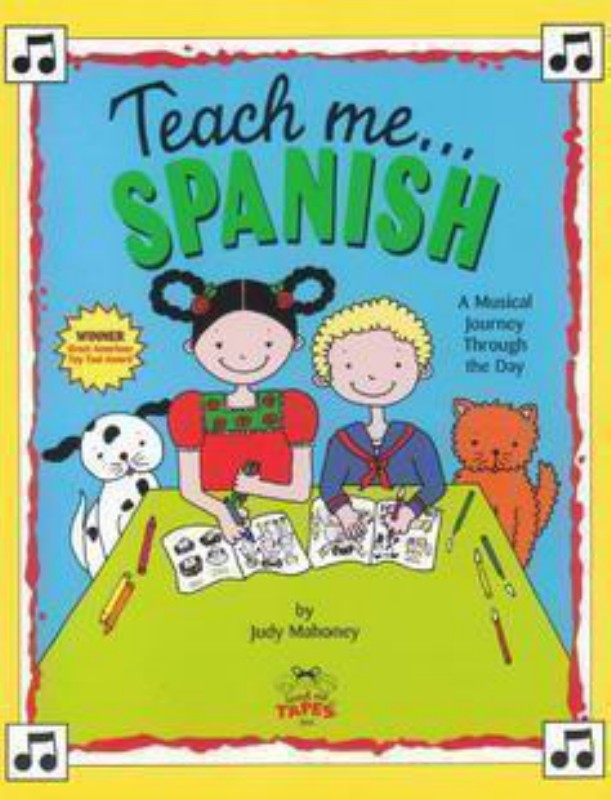
My B2 Exam Preparation Resource List
There are so many textbooks and apps out there that it’s easy to get overwhelmed. Here’s a list of the resources I personally found most useful. Feel free to pick and choose based on your needs—you don’t have to copy it entirely. After all, the best resources are the ones that work for you.
| Category | Recommended Resource | Personal Thoughts |
|---|
| Comprehensive Textbooks | Prisma (B1, B2) | Very comprehensive content with well-designed, practical exercises that relate to daily life. |
| Grammar Focus | Gramática de Uso del Español | The ‘holy grail’ of Spanish grammar books. It covers all levels from A to C with clear explanations. |
| Listening | RTVE Play, Cadena SER | Official news apps. Excellent choices for listening practice. The speech is fast but very authentic. |
| Speaking Practice | HelloTalk, Tandem | Language exchange apps. You have to be bold and just start speaking. It’s okay to make mistakes. |
| Practice Exams | El Cronómetro | A book specifically for DELE preparation. Make sure to time yourself when doing practice tests to simulate the real exam conditions. |
Two Commonly Overlooked Hurdles
The first is the subjunctive mood. This can be a real nightmare for learners, especially for those whose native language lacks a direct equivalent. My method was to stop thinking of it as a simple ‘tense’ and instead understand it as a ‘mood’ or ‘mode’ reflecting a specific attitude or context. By studying numerous examples and making a conscious effort to use it in conversations with language partners, I gradually developed a feel for it. The second hurdle is speaking fluency and logic. The B2 speaking test is more than just a casual conversation; it evaluates your ability to express and argue a point of view. A good practice is to watch debate shows or pick a social topic (e.g., ‘Should young people buy property early on?’), record your thoughts, and then listen back to find awkward phrasing or logical flaws. This might feel strange during your DELE B2 prep, but the results are remarkable if you persevere.
Self-studying to a B2 level is by no means an easy task; studying on and off simply won’t cut it. The most important thing is to find a rhythm that works for you and to persevere with your Spanish B2 self-study. There are no shortcuts in language learning, but every bit of effort is rewarded when you’re able to communicate with native speakers. I wish everyone the best in reaching their desired level soon and enjoying a smoother life in Spain! ¡Ánimo!
