When I first arrived in Spain, I was a bit overwhelmed by the pace of life and the language barrier. Although I could get by with a few words, I realized that to truly integrate, a systematic study of grammar and expressions was necessary. Class schedules weren’t flexible, so I started thinking about self-study to improve my spoken Spanish. When it comes to textbooks, the first one that comes to mind for many from China is the famous Español en Marcha. However, here in Spain, there are many other excellent textbook series that are even better suited for adults like us who are already in a Spanish-speaking environment (which are quite different from Spanish textbooks for children, of course).
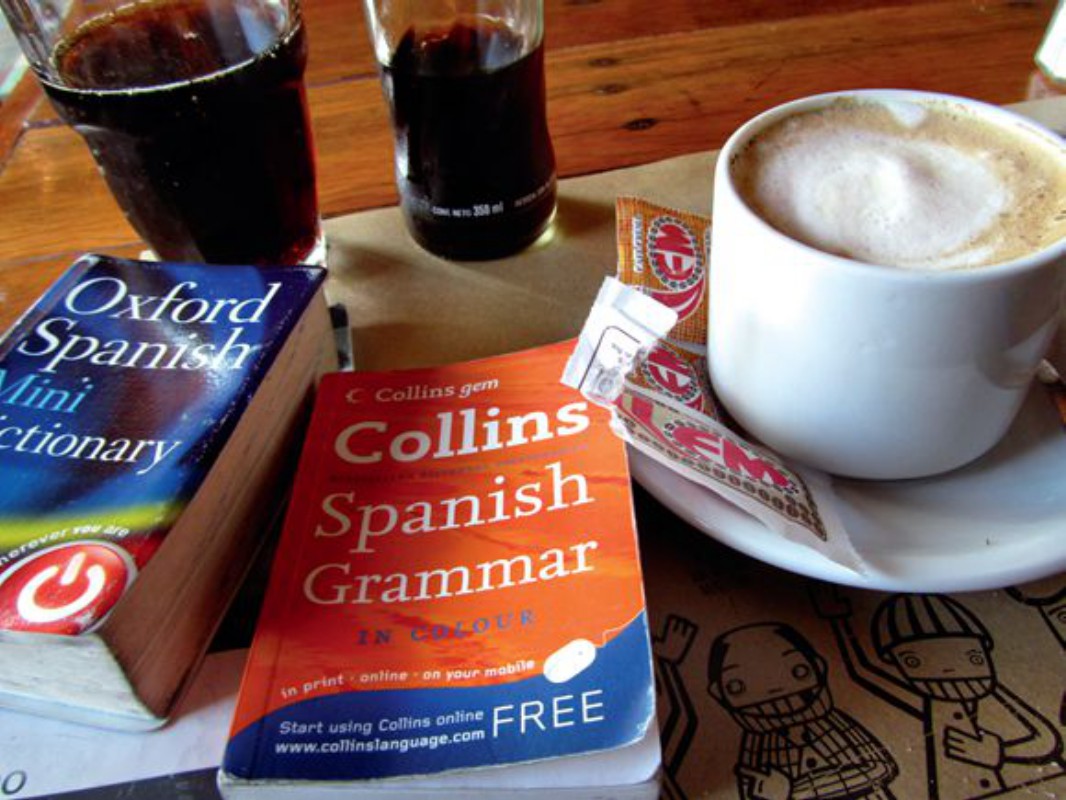
A Review and Selection of Mainstream Textbooks
The most mainstream textbook series on the market in Spain are widely used by major language schools. After some research and feedback from friends, I’ve put together a few options for you.
Aula Internacional Plus
This series is arguably the most popular right now, used by many language schools. Its key feature is its modern, relevant topics, discussing things like the sharing economy and social networks. The exercises are diverse, integrating listening, speaking, reading, and writing well, with a strong focus on communication and practical application. For me, the lively layout and illustrations make it engaging and not at all boring. The only downside might be that the grammar explanations are a bit scattered, requiring you to summarize them on your own.
Nuevo Prisma
If you’re a learner who prefers a more systematic and logical approach, then Nuevo Prisma will be right up your alley. Its grammar system is very clear and comprehensive, with each unit following a similar structure: introduction, comprehension, grammar, exercises, and culture. It provides a solid, step-by-step learning experience. Compared to Aula, its content might be slightly more traditional, but it’s an excellent tool for building a strong grammatical foundation and preparing for the DELE exam.
Sueña
This series may not be well-known back home, but it has its place in Spain. Its biggest feature is its vast vocabulary and an almost overwhelming number of exercises, making it perfect for students who want to solidify their knowledge by grinding through a lot of practice. The layout is a bit old-school, but the content is solid. If your goal is to quickly build vocabulary and sentence patterns, consider using it as a supplementary workbook.
Textbook Comparison Summary
To make the choice easier, I’ve created a simple table to compare the features of these textbook series:
| Textbook Series | Key Strengths | Best For |
|---|
| Aula Internacional Plus | Modern topics, focus on communication, engaging | Beginners who enjoy learning in context and want to start speaking quickly |
| Nuevo Prisma | Complete grammar system, clear structure, logical | Learners focusing on grammar foundation, preparing for DELE, and who prefer systematic study |
| Sueña | Large vocabulary, abundant exercises, great for reinforcement | Students who need lots of practice to consolidate knowledge, or for use as a supplementary workbook |
There’s no absolutely perfect textbook, only the one that’s best for you. My suggestion is to visit a bookstore and flip through them to get a feel for the style and content organization of each. For example, you can find a wide selection at stores like FNAC or Casa del Libro. I hope this sharing helps those of you struggling to choose a textbook! Have you used any other great textbooks? Feel free to leave a comment and discuss below! Hope you all become language masters! Let’s keep up the good work!
