When I first arrived in Spain, my Spanish was pretty much limited to ‘Hola’ and ‘Gracias.’ I had to point and gesture just to order food. Later, driven by the needs of work and daily life, I was determined to conquer the language. I considered enrolling in a class at first, but after looking at the cost and schedule, I decided to give self-studying a shot. I never expected that by sticking with it, I would actually pass the DELE C1 exam last year. Today, I’m sharing my insights from this purely self-taught journey, hoping to offer some inspiration to fellow Spanish learners.
Study Plan and Mindset
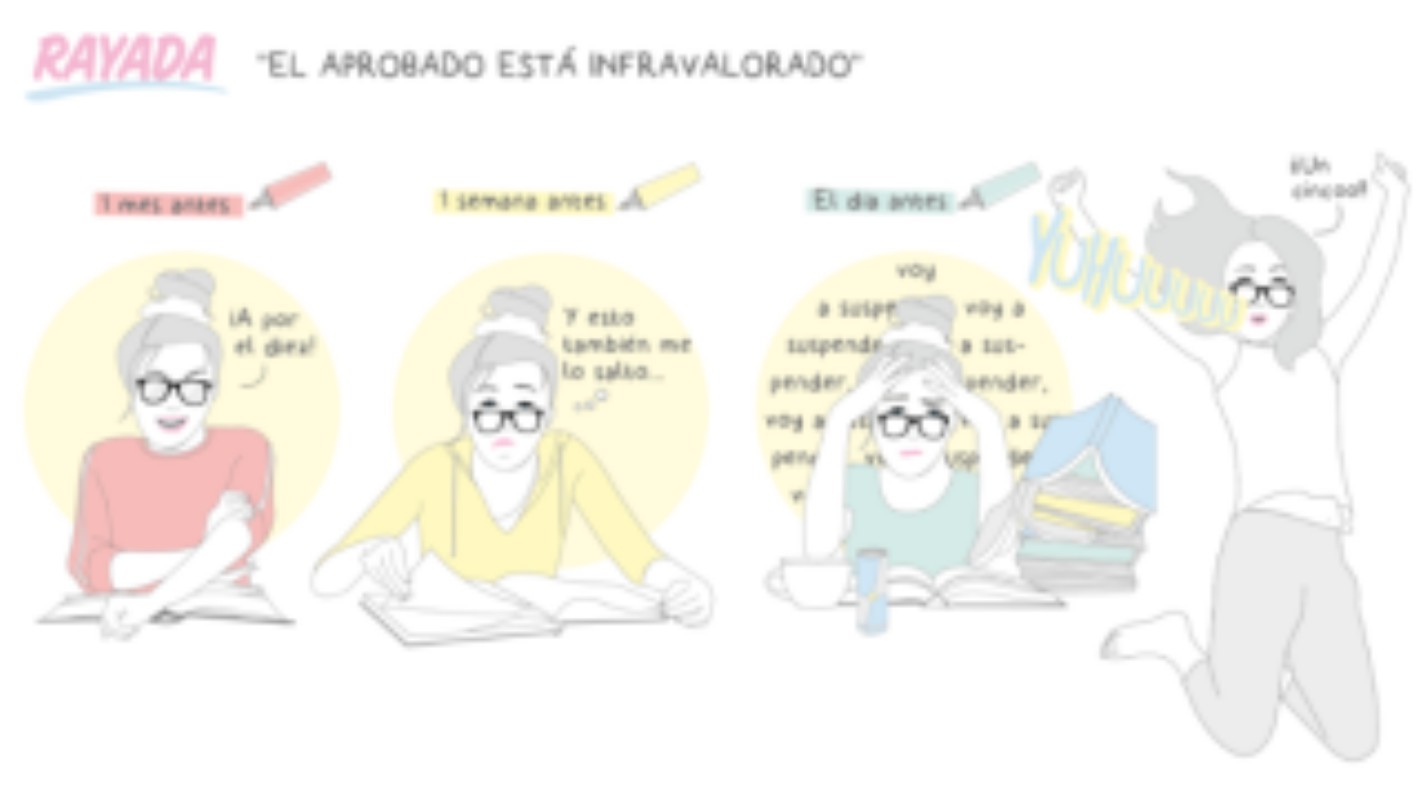
The biggest challenge in self-studying is inconsistency. My method was to break down big goals into smaller tasks. For example, instead of thinking ‘I need to pass C1’ right from the start, I’d aim for ‘This month, I will master all present indicative conjugations.’ I dedicated a solid 1-2 hours every single day. I’d listen to Spanish podcasts during my commute, browse Spanish news during my lunch break, and do a set of grammar exercises at night. The key is to make learning Spanish a daily habit, just like eating or sleeping. Hitting a plateau is completely normal. For instance, when I got to the subjunctive mood, I almost gave up. When that happens, slow down, or even take a day or two off to watch some Spanish TV shows, listen to Spanish music, and find your interest again before continuing. It’s all part of the process when you self-study Spanish. Don’t just force yourself through it.
Core Resource Recommendations
There are many textbooks on the market, but only a few are truly useful for those looking to self-study Spanish. For me, the most essential materials were:
- Textbooks: Modern Spanish (现代西班牙语) is a bit dated, but its grammar system is very comprehensive, making it perfect for building a solid foundation. I used it like a dictionary, looking up any grammar points I didn’t understand. The ELE Actual series, on the other hand, is more aligned with real-life situations and offers a balanced approach to listening, speaking, reading, and writing.
- Apps: Duolingo is great for absolute beginners to learn vocabulary and basic sentence structures in a fun way. But to advance, you’ll need a spaced repetition app like Anki to create your own flashcards, which is incredibly efficient for memorization.
- Listening: RTVE A la Carta is a treasure trove of resources. You can find tons of news, documentaries, and TV series—many with subtitles—which are fantastic for preparing for Spanish exams. In the beginning, I watched with Spanish subtitles on, and later, I challenged myself by turning them off and listening blind.
Bridging the Gap from Input to Output
Many people study for a long time but still can’t speak Spanish; this is usually because they don’t practice their output enough. Language is for communication, so you have to open your mouth and speak! My approach was to be a bit of a ‘social butterfly.’ I wasn’t shy about striking up conversations with supermarket cashiers or the building’s concierge. I wasn’t afraid of making mistakes—in fact, people would often correct me, which was helpful. Additionally, I kept a diary in Spanish. It didn’t have to be long, just three to five sentences a day to jot down what I did or what new words I learned. The main goal was to practice written expression and reinforce grammar. Below is the output practice schedule I created for myself, which you can use as a reference:
| Day | Main Practice | Supplementary Practice |
|---|
| Mon, Wed | Speaking: Find a language partner or talk to myself for 30 mins | Watch a Spanish TV show and imitate the characters’ pronunciation |
| Tues, Thurs | Writing: Write a short text of about 150 words | Read a news article and summarize it |
| Friday | Review: Recap the week’s learning in Spanish | Listen to a podcast episode and try to retell its content |
| Weekend | Total relaxation Flexible schedule | Watch movies, visit museums, participate in local events |
There’s no real ‘shortcut’ to learning a language. Any ‘fast’ progress is earned through consistent and continuous effort. As long as you find the right methods and stick with them, you’ll find the doors to the Spanish language gradually opening for you. If anyone has other great study methods or resources, feel free to share them in the comments below! ¡Ánimo a todos!
