Lately, I’ve been lurking on the forums and have seen many people asking about learning Spanish. A lot of them start out of interest and gradually develop the idea of tackling it like a ‘major.’ I went through the same thing, so I wanted to start a thread to talk about how difficult it really is to self-study Spanish to a professional level and what pitfalls to watch out for.
The Gap Between Expectation and Reality
When you first start learning Spanish, everything feels new and exciting—the pronunciation rules, being able to string together a few words—it’s a huge sense of accomplishment. But setting your goal to a ‘professional level’ is a whole different ball game. Professional proficiency means you can’t just handle daily conversations; you need to be able to read literature and news commentary without barriers, express yourself with depth both in writing and speaking, and even understand the history and culture of Spain and Latin America through [self-studying Spanish]. This is a level you can’t reach just by memorizing a few words each day; it requires a systematic knowledge framework.
Major Challenges on the Self-Study Path
The biggest enemies of self-study are the ‘lack of feedback’ and an ‘unsystematic body of knowledge.’ In a school setting, you have teachers to correct your pronunciation and grammar mistakes on the spot, and classmates to practice with. But when you’re on your own, it’s easy to go further and further down the wrong path without realizing it. For instance, when it comes to verb tenses, you might understand the literal meaning from self-studying Spanish but miss the subtle nuances of its use in specific contexts. Here are a few difficulties I’ve summarized:
| Challenge | Specific Examples |
|---|
| Grammar Bottlenecks | The subjunctive mood, distinguishing between past tenses, etc., are easy to mix up. |
| Improving Spoken Fluency | Lack of real-world conversation practice makes it hard to improve accent and fluency. |
| Vocabulary Depth | Knowing how to use decir but not when to use comunicar, expresar, or mencionar. |
| Cultural Understanding | Without cultural context, a lot of slang and idioms are completely incomprehensible. |
How to Self-Study Effectively?
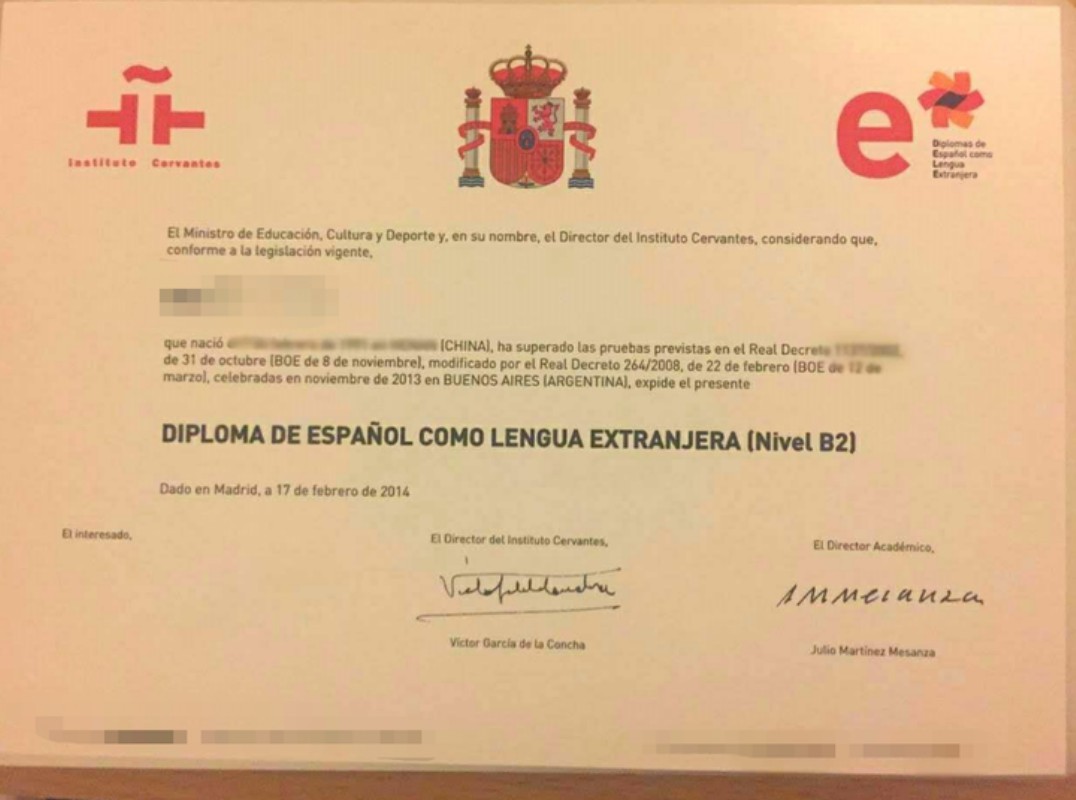
After listing all these difficulties, my intention isn’t to discourage you, but to help you plan your path with a clearer mind. If you’re truly determined to take this journey, I have a few humble suggestions: First, be sure to choose an authoritative textbook as your core guide, such as the ‘Modern Spanish’ series or the original ‘Aula’ series, and follow its systematic approach. Second, make good use of online resources; find a reliable language exchange partner or pay for a native tutor to periodically correct your speaking. Finally, set the DELE C1/C2 exam as your milestone for self-studying Spanish. The preparation process will force you to improve your listening, speaking, reading, and writing skills across the board and identify your weaknesses, which is far more effective than aimless studying. This path can be lonely, but every step of perseverance brings you closer to your goal. If anyone has other good self-study tips, feel free to share them below!
