Having just moved to Spain, I quickly realized the language is the first major hurdle! Stuttering while ordering food, resorting to hand gestures at the bank… I’m sure many newcomers have had similar experiences. I also started from zero and, after some trial and error, I’ve figured out a few methods that I found quite effective. I’m sharing them in hopes of helping others who are struggling in the beginner stage.
Don’t Be Afraid, Start with the Basics: Pronunciation
Many people get discouraged by the notoriously difficult rolled ‘R’ in Spanish and give up right away. Honestly, there’s no need to get stuck on it at the very beginning! Most Spaniards can understand you perfectly fine even if you don’t roll your R’s. Instead, focus on the vowels: a, e, i, o, u. Their sounds are very consistent—much simpler than in English. If you can pronounce the vowels correctly, your overall pronunciation of words won’t be far off. You can find pronunciation tutorials on YouTube to follow along with. Just 15 minutes of practice a day will help you get the hang of it quickly.
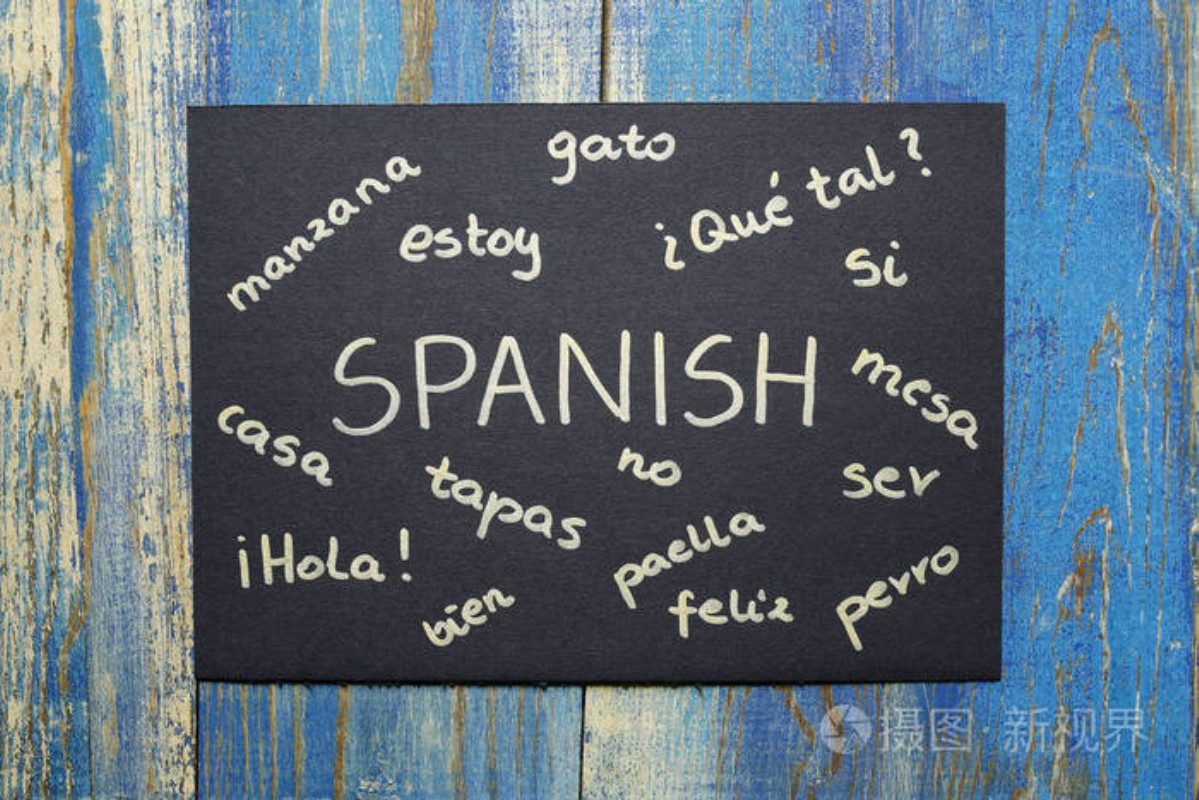
Recommended Tools and Apps
Good tools are essential for self-study. Besides traditional textbooks, there are many fantastic apps for learning in your spare moments, as detailed in this guide on self-studying Spanish. I personally use Duolingo; it’s great for memorizing vocabulary and basic sentence structures, and its game-like approach keeps things from getting boring. I also highly recommend Memrise, which features video clips of native speakers, helping you get used to more authentic accents. Of course, a good dictionary is a must. I suggest SpanishDict—it’s incredibly powerful, offering not just definitions but also verb conjugations and example sentences.
| Tool Type | Recommendation | Key Features |
|---|
| All-in-One Learning | Duolingo | Gamified lessons, perfect for beginners |
| Vocabulary/Listening | Memrise | Real native speaker videos, authentic accents |
| Dictionary/Grammar | SpanishDict | Comprehensive, a verb conjugation lifesaver |
| Online Courses | Coursera/edX | Structured learning, university-level courses |
Don’t Be Shy, Speak Up!
Language is for communication; learning without practicing is pointless. Don’t be afraid of making mistakes—you have to be a bit bold! Start with the simplest things, like ordering a Café con leche in Spanish at a café or saying Gracias at the supermarket checkout. Even a single word or a simple sentence is huge progress. Spaniards are generally very warm and friendly. They’re often happy to see you trying to speak their language and may even patiently correct you. This positive feedback is the best motivation to keep going! Whatever you do, don’t stay silent for fear of making a mistake.
Finally, remember that learning a language is a long journey; don’t expect to become fluent overnight. Set small, achievable goals for yourself, like memorizing 20 new words a week or learning how to introduce yourself in Spanish. Reward yourself for every small goal you achieve. Relax, and treat learning Spanish as a fun window into Spanish culture. You’ll find the process isn’t so painful after all. ¡Ánimo a todos!
