When I first arrived in Spain, opening a bank account felt like a huge hassle. Seeing branches of Santander, BBVA, and CaixaBank everywhere made me curious about how they came to be. I recently did some research and found the history of Spanish banking to be quite fascinating—it’s like a condensed version of Spain’s modern history. So today, I wanted to share a post and chat about the past and present of these banking giants.
Early Days and Regional Strongholds
The origins of modern banking in Spain can be traced back to the mid-19th century. Back then, there were no large banks as we know them today. Instead, the landscape was dotted with various Cajas de Ahorros (savings banks) and small local banks. For instance, one of the predecessors of the renowned BBVA was the Banco de Bilbao, founded in Bilbao in 1857. These early financial institutions primarily served local residents and businesses, much like what we might understand as ‘local credit unions,’ and had a strong regional identity.
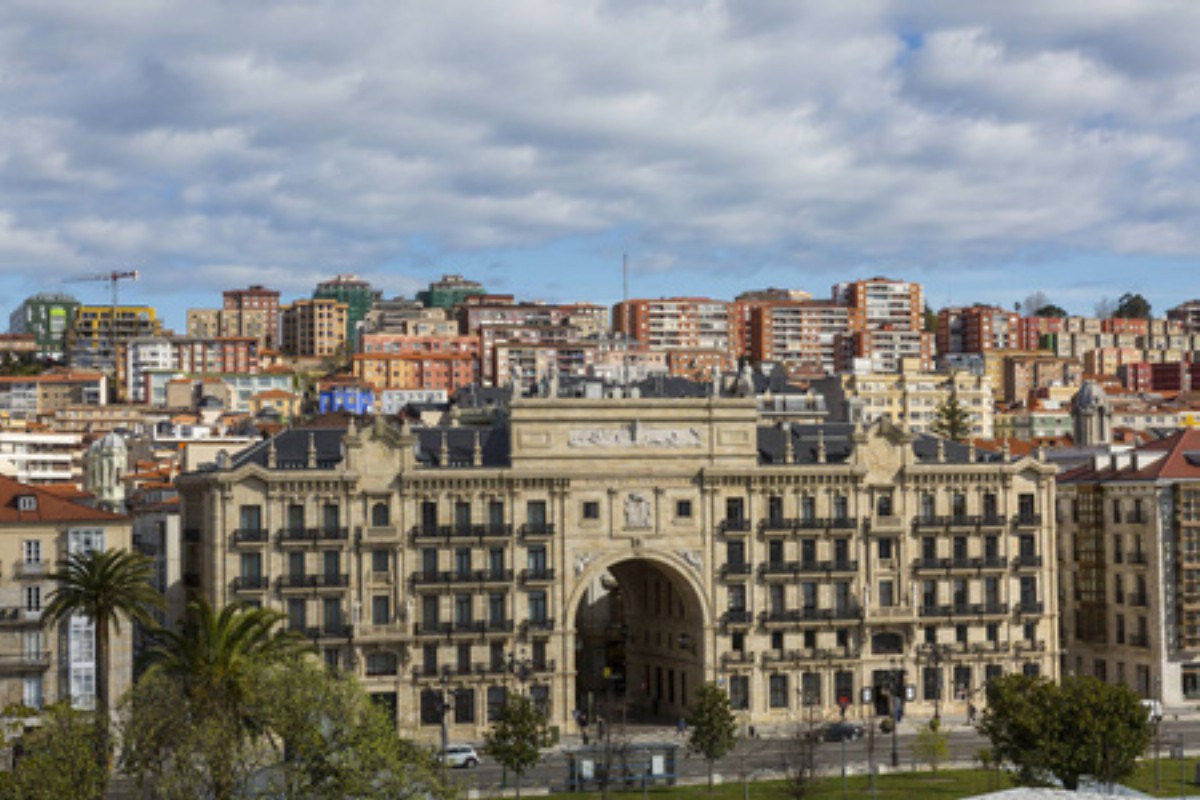
Consolidation and Expansion during the Franco Era
In the 20th century, especially during the Franco era, Spain’s economic policies spurred the first major consolidation of the banking industry. To centralize resources for industrial development, the state encouraged bank mergers. It was during this period that many of the banking giants we see today built their foundations. For example, Banco de Santander grew from a regional bank into a major national financial force through a series of shrewd acquisitions. However, the banking sector at that time was still relatively closed off, and competition was not as fierce as it is today.
Predecessors of Major Banks
To make it easier to understand, I’ve created a simple table to show who the ‘ancestors’ of some major banks were:
| Modern Bank | Key Predecessor | Founding Year |
|---|
| Banco Santander | Banco de Santander | 1857 |
| BBVA | Banco de Bilbao / Banco de Vizcaya | 1857 / 1901 |
| CaixaBank | Caja de Pensiones para la Vejez y de Ahorros | 1904 |
The Wave of Democratization and Globalization
After Spain’s return to democracy in the late 1970s, its financial market opened up and liberalized. This was when Spanish banks really took off! No longer content with the domestic market, they began to expand internationally, especially into Latin America. Santander and BBVA were the biggest winners of this globalization wave, becoming international financial groups through numerous acquisitions in Latin America, which shaped the future of Spanish banking. This period can truly be described as tumultuous and magnificent, filled with capital games and business savvy. Of course, the 2008 financial crisis also dealt them a major blow, especially the Cajas system, which was heavily dependent on the real estate bubble. It almost completely collapsed and was eventually absorbed by the larger banks, leading to the structure we see today.
Today, we are experiencing another transformation—digital transformation. Digital banks like N26 and Revolut are challenging the position of traditional banks, forcing old giants like Santander and BBVA to pour money into developing apps and online services. As users, the most direct change we feel is that it’s getting harder to get things done at a physical branch, but the features on our mobile banking apps are becoming more and more powerful. I’m curious, what do you all think about the service at Spanish banks nowadays? Do you think it’s getting worse, or more convenient? Feel free to discuss in the comments below!
