Lately, there seem to be more and more posts on the forum about applying for a master’s in Spain. Having just gone through the process myself and navigated quite a few challenges, I’ve decided to organize my notes and share some solid tips about master’s programs at Spanish universities. I hope this helps future applicants get a clear picture and avoid some common pitfalls!
Official vs. University-Specific Master’s: Do You Know the Difference?
You must grasp a key concept: master’s degrees in Spain are divided into Máster Oficial (Official Master’s) and Máster Propio (University-Specific Master’s). To put it simply, the Official Master’s is accredited by the Spanish Ministry of Education, and the degree is recognized throughout the European Union and internationally. It qualifies you for doctoral studies or civil service exams. On the other hand, the University-Specific Master’s is designed and offered by the university itself, focusing more on practical skills and employability. However, getting it recognized in your home country can be more complex, so before applying, it’s crucial to check with your country’s relevant education authority about the university program structures in Spain to ensure its validity!
Let’s Talk About Popular Majors and Top-Tier Schools
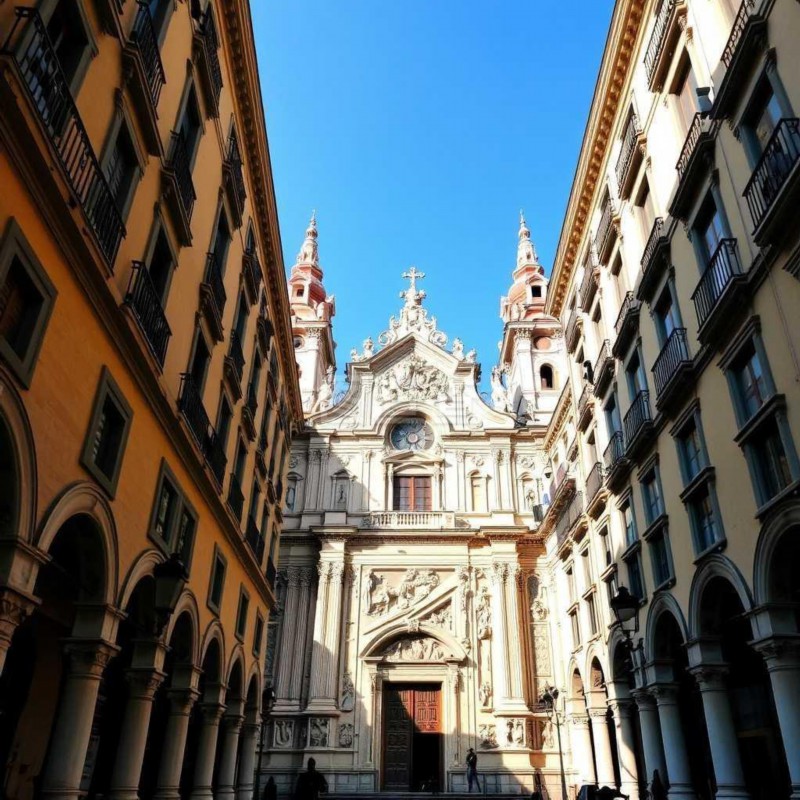
Spain boasts quite a few strong fields of study. For instance, in Business, schools like IE, ESADE, and EADA are globally renowned. Tourism Management is another, which makes sense given that Spain is a major tourist destination with rich educational resources in this area. Additionally, Architecture, Language and Literature, and Renewable Energy are also Spanish strengths. There’s a common misconception that Spain only excels in the humanities, but in reality, engineering programs at universities like the Polytechnic University of Catalonia are also top-notch.
Public vs. Private: How to Choose?
This is a frequently asked question that many applicants struggle with. I’ve made a simple table to help you compare:
| Comparison | Public Universities | Private Universities |
|---|
| Tuition Fees | Relatively low, charged per credit | Generally higher, often a flat fee for the program |
| Academic Atmosphere | Focus on theory and research, often with a long history | Focus on practical skills and employment, strong industry ties |
| Application Difficulty | Emphasis on undergraduate institution and GPA | Holistic review, more emphasis on internships and interviews |
| Reputation | Comprehensive universities often have higher world rankings | Top business and design schools are highly renowned |
Ultimately, the choice of program and university depends on your career goals and financial situation. A friendly reminder: the application period for most Official Master’s programs is from early in the year through spring, so don’t miss the deadlines for academic programs at Spanish universities! Regarding language, while there are programs taught in English, knowing some Spanish will absolutely enhance your experience abroad. I hope this information is helpful. Feel free to ask questions or share your own experiences in the discussion below!
