Hello everyone! I’ve recently seen many friends on the forum discussing studying in Spain, and one of the most common questions is about how to choose a university and a major. It’s true that the Spanish education system is quite different from the one in China, which can be a bit confusing at first. Today, I’m starting this thread to share what I know about the structure of university majors in Spain, hoping it can be a useful reference for those of you doing your research. This is purely my personal take, so I welcome experts to add to or correct it
!
The Degree Structure in Spanish Universities
First things first, it’s important to understand that Spain’s higher education system is fully integrated into the ‘Bologna Process.’ Therefore, the academic programs at Spanish universities
and their degree structures are standardized with most other European countries, divided into three cycles:
- Bachelor’s Degree (Grado): Typically a four-year program, totaling 240 ECTS credits. This is the fundamental university degree, leading to a bachelor’s qualification upon graduation.
- Master’s Degree (Máster): Usually one to two years, comprising 60 to 120 ECTS credits. There are official master’s (máster oficial) and university-specific master’s (máster propio). Official master’s are recognized by the Chinese Ministry of Education, are generally considered more prestigious, and are a prerequisite for applying to a doctoral program.
- Doctorate (Doctorado): Generally three to five years, primarily focused on research. This is the highest academic degree.
This structure is very clear and largely corresponds to the Bachelor-Master-Doctorate system in China, making it easy to understand.
The Five Main Branches of Knowledge
Now that we’ve covered degrees, let’s look at the majors. All Almost all majors in Spanish universities are categorized into five main branches of knowledge. When applying for university, entrance exam scores are often differentiated based on these broad fields. These five branches are:
| Branch of Knowledge | English Translation | Examples of Majors |
|---|
| Artes y Humanidades | Arts and Humanities | History, Philosophy, Linguistics, Fine Arts, Musicology |
| Ciencias | Sciences | Mathematics, Physics, Chemistry, Biology |
| Ciencias de la Salud | Health Sciences | Medicine, Nursing, Pharmacy, Veterinary Science |
| Ciencias Sociales y Jurídicas | Social and Legal Sciences | Economics, Law, Journalism, Tourism, Education |
| Ingeniería y Arquitectura | Engineering and Architecture | Computer Engineering, Civil Engineering, Architecture |
Essentially, whatever you want to study, you’ll likely find it within one of these five branches.
When it comes to specific majors, Spain has several world-class strengths. For instance, architecture—it’s not called the land of Gaudí for nothing, and many universities have renowned architecture faculties. Then there’s business; schools like IESE, ESADE, and IE are globally ranked. Additionally, as tourism is a pillar of the Spanish economy, Tourism Management programs are very well-developed and practical. If you’re interested in art and design, the options are even more extensive, with fantastic schools for everything from fashion design to product design.
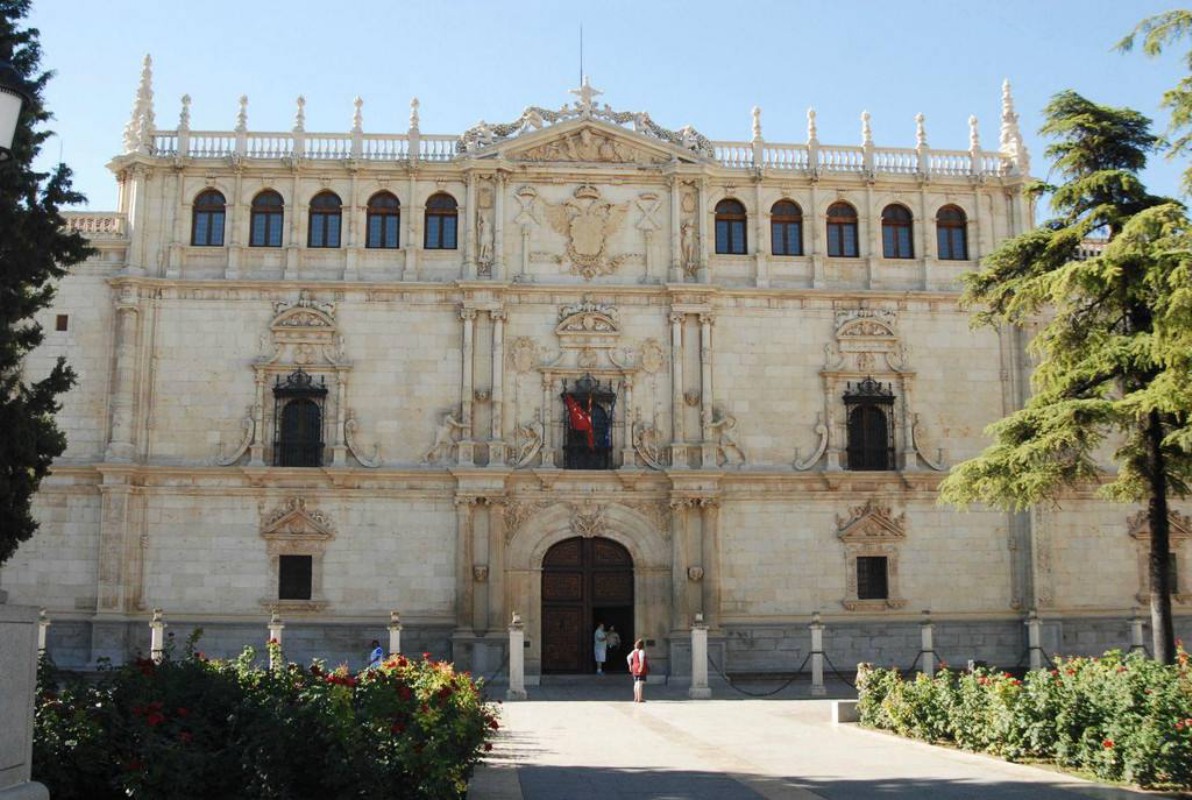
One last piece of advice: when choosing a school and major, never judge a program by its name alone
! Always go to the official website of the university you’re interested in, find the specific program, and carefully examine its curriculum details for master’s programs in Spain
. A program called ‘Business Administration’ can have vastly different course focuses, professors, and internship opportunities from one university to another. Reviewing the syllabus is the only way to know if the program is truly what you’re looking for.
Alright, that’s all I have to share for today. What challenges have you faced while choosing a university or major? Do you have any tips or experiences to share? Feel free to leave a comment below to discuss and exchange information!
