When you’ve just moved to Spain, one of the biggest fears is getting sick and having to go to the hospital. It’s not so much about the cost, especially if you have insurance, but the fear of not being able to communicate clearly with the doctor. This is particularly true when you receive a stack of test results from a doctor’s visit in Spain, and the words on them look like a foreign language—it can be incredibly overwhelming! I recently accompanied a friend for a check-up and spent a lot of time deciphering the report afterward. I ended up compiling this comprehensive list of common Spanish medical test terms, based on that experience and a scalp examination, and I’m sharing it for anyone who might find it useful!
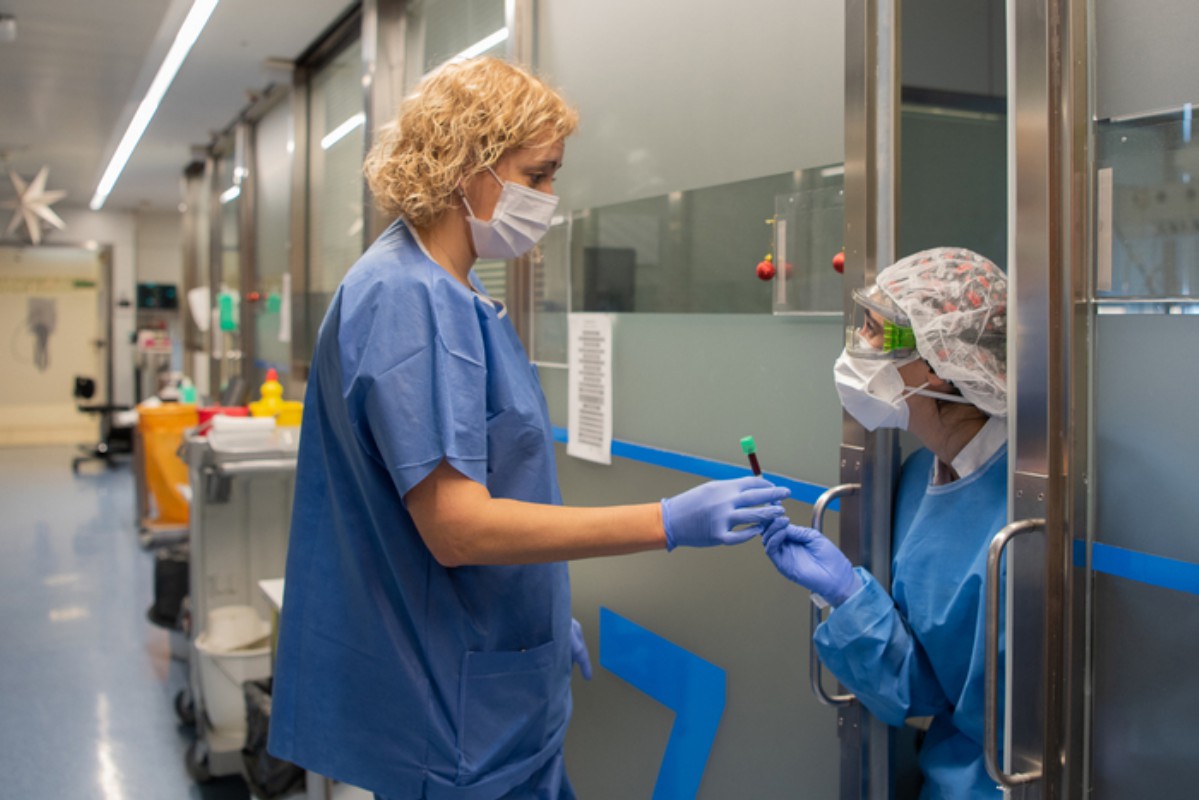
Common Types of Tests
Generally, when we go to the hospital, the tests ordered by the doctor fall into a few main categories. Understanding these categories can help you feel more prepared.
- Análisis de sangre: This is the most common one, a blood test, what we often refer to as a complete blood count.
- Análisis de orina: Urine analysis.
- Análisis bioquímico: Biochemical analysis, also typically done via a blood sample to check liver function, kidney function, blood sugar, and lipids.
- Pruebas de imagen: Medical imaging tests. This is a broad category that includes ultrasounds, X-rays, CT scans, and more.
Specific Test Terminology
Below is a list of specific test items with their Spanish names. You can save this for future reference. It’s particularly useful for understanding the different cell counts in a blood test, as high or low levels can indicate various issues. Knowing these can give you a general idea of your results before your follow-up appointment.
| English | Spanish | Abbreviation/Alias |
|---|
| Complete Blood Count | Hemograma completo | CSC |
| White Blood Cells | Leucocitos | - |
| Red Blood Cells | Hematíes / Eritrocitos | - |
| Platelets | Plaquetas | - |
| Cholesterol | Colesterol | - |
| Blood Sugar | Glucosa | - |
| Uric Acid | Ácido úrico | - |
| Ultrasound | Ecografía | Ultrasonido |
| X-ray | Radiografía | Rayos-X |
| CT Scan | Tomografía Computarizada | TAC / TC |
| MRI | Resonancia Magnética | RM / RMN |
Besides the items listed above, there are also electrocardiograms (ECG), allergy tests, and more. Although we are not medical professionals and cannot diagnose ourselves, this knowledge allows us to at least understand what the doctor is saying. When you get your report from a doctor’s visit in Spain, you can identify which indicators are too high or too low, giving you a clearer picture and enabling you to ask more specific questions during your follow-up appointment. I hope this guide is helpful to everyone. Wishing you all good health in Spain!
