Just arrived in Barcelona, and one of the first things on my to-do list was opening a bank account. It’s nearly impossible to get by without one – you need it for paying rent, getting a phone plan, and receiving your salary. I read a lot of guides online beforehand, but much of the information seemed outdated. After visiting a few banks myself, I finally got it sorted. I’ve compiled some of my experiences and tips to share with others coming to the city, hoping to help you avoid some of the hassles.
Bank Selection: A Comparison of the Major Players
Banks are everywhere in Barcelona, with the most common ones being Santander, BBVA, and CaixaBank. These three are the giants in Spain, with the most branches and ATMs, making them quite convenient. Personally, I feel their policies for foreigners are quite similar. The main differences lie in account maintenance fees and additional services. Many banks offer fee-free accounts for young people, so be sure to ask about this before opening an account!
Required Documents
No matter which bank you choose, the required documents are basically the same. I prepared the following, for your reference:
- Proof of Identity: Your passport and NIE are mandatory. You’ll need both.
- Proof of Address: The Empadronamiento certificate is the most reliable option, usually valid for 3 months. If you don’t have it yet, a rental contract might work, but it’s best to confirm with the bank first.
- Proof of Funds or Income: If you’re a student, you can provide your university acceptance letter and proof of tuition payment. If you’re here for work, your employment contract will suffice. This is mainly to prove the legal origin of your funds and prevent money laundering.
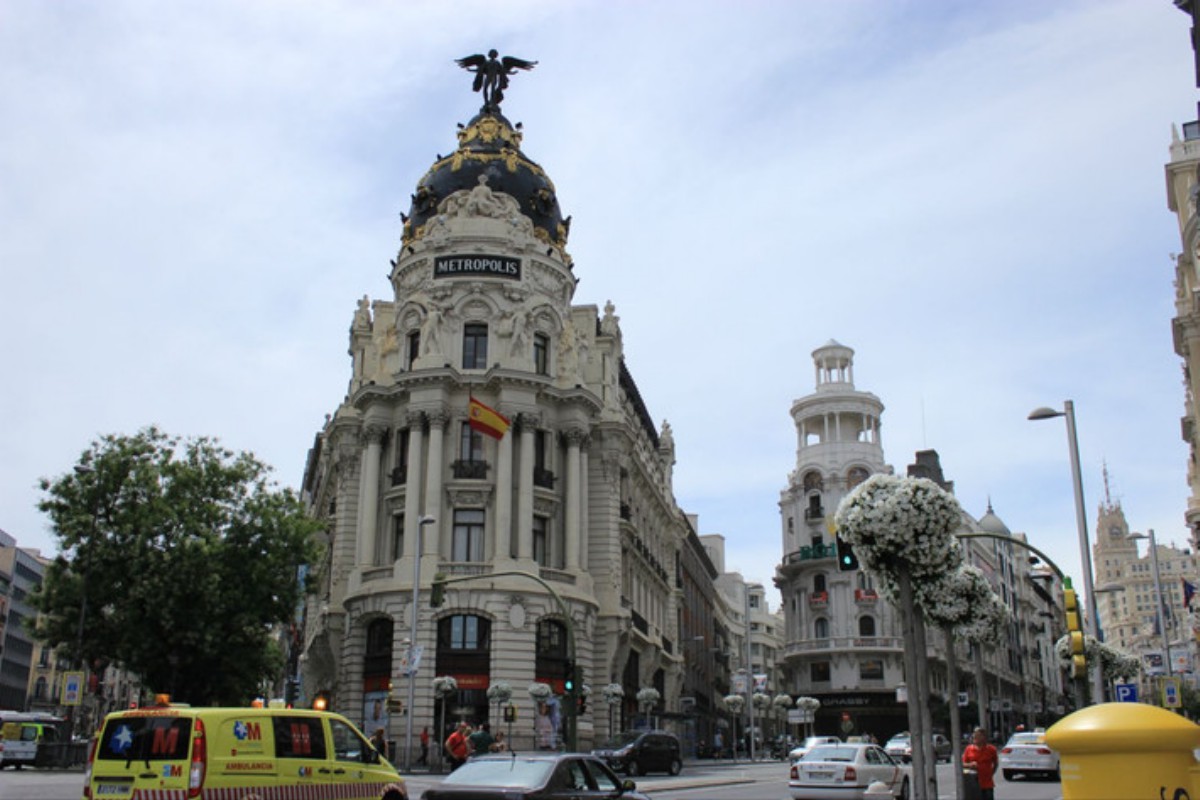
I’ve compared some of the most popular banks and put together a simple table. This information is based on my own experience and what I found on their official websites, so details might change. Always check with the bank for the most current information.
| Bank | Pros | Cons | Notes |
|---|
| Santander | High international recognition, numerous branches, and a good app experience. | Some accounts come with maintenance fees, so you need to check the fine print carefully, even at the branches on Barcelona’s ‘Bank Street’. | A good option for those who frequently need to make international transfers. |
| BBVA | Powerful app with excellent digital services; many procedures can be completed online. | Some branches may require an appointment. | They often run promotions for fee-free online accounts. |
| CaixaBank | Spain’s largest domestic bank with an abundance of ATMs. Its subsidiary, ImaginBank, is very popular with young people. | The app interface feels a bit dated and isn’t as smooth as BBVA’s. | ImaginBank is a purely digital bank with almost no annual fees, but it requires some basic Spanish to navigate. |
In the end, I chose BBVA, mainly for its online services. Since my Spanish is so-so, I prefer handling things online rather than struggling to communicate at the counter and, you know, avoiding social awkwardness. The account opening process went quite smoothly. The bank manager was very patient, and using a mix of broken English and a translation app, we managed to get all the paperwork done. I received my physical card about a week later. I hope my experience can be a useful reference. Wishing you all the best with your life in Barcelona! Feel free to discuss any other questions in the comments below!
