Shortly after arriving in Barcelona, like many newcomers, the first things that came to mind when thinking of Passeig de Gràcia were luxury shops and Gaudí’s architecture. However, I recently chatted with an elderly local neighbor who told me that for his generation, the street has a more prominent name: ‘Bank Street’. This intrigued me, so I spent an afternoon revisiting it and made some new discoveries that I’d like to share with you all.
Why ‘Bank Street’?
The reason is quite simple. Since the early 20th century, this area has been the financial heart of Barcelona and the entire Catalonia region. Many major banks and financial institutions chose to establish their headquarters or significant branches here. Although the function of many buildings has changed, that air of financial prestige steeped in history remains. Walking down the street, you’ll notice many grand, classical buildings. While they might now display fashion brand signs, a closer look at their structure and sculptures clearly reveals the solemnity and grandeur of their original purpose as banks. For example, banks like CaixaBank and BBVA still maintain very important branches here today.
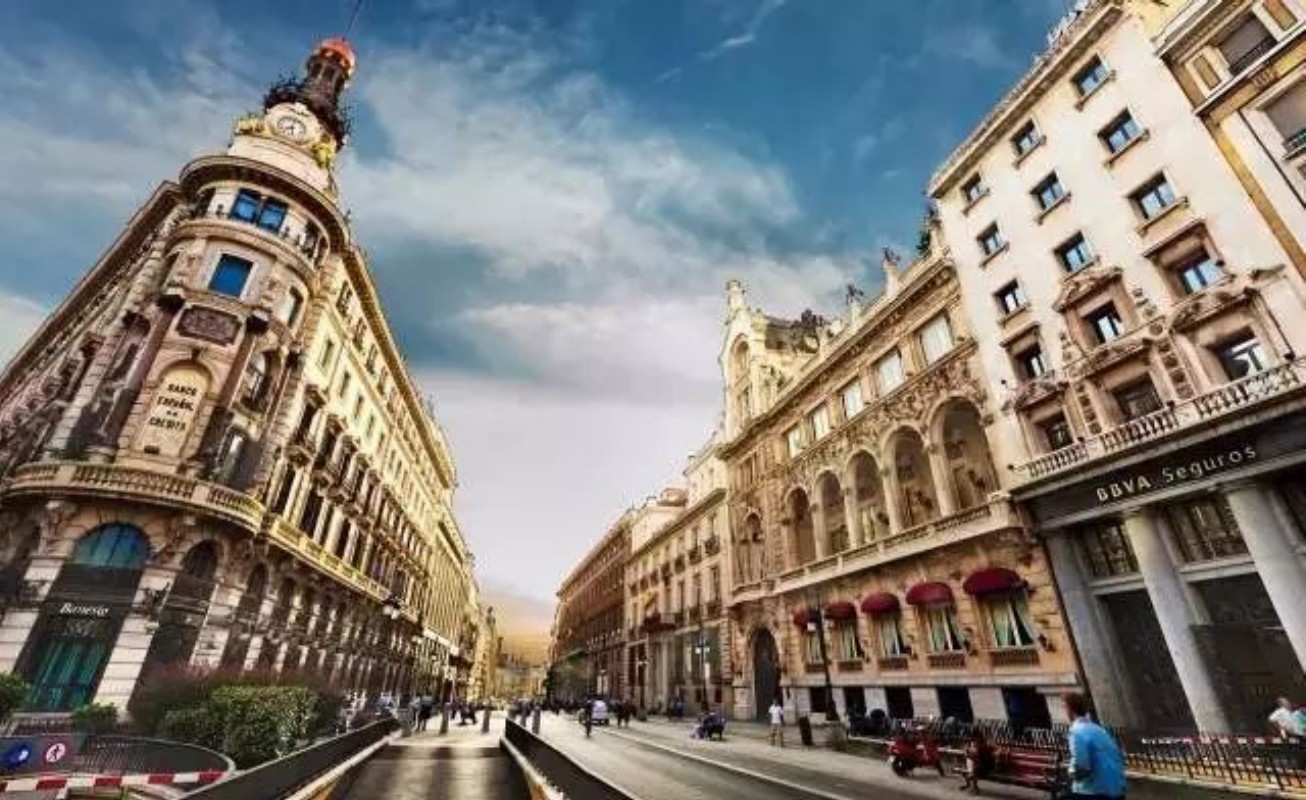
Unmissable Architectural Landmarks
Of course, when talking about this street, Gaudí is an unavoidable topic. Even if you’re not particularly interested in architecture, you’ll surely be captivated by the whimsical designs of Casa Batlló and Casa Milà. They look like houses straight out of a fairy tale, creating a stark contrast with the stern bank buildings nearby. This clash between Modernisme and classical architecture is precisely what makes Passeig de Gràcia so charming. Besides Gaudí, there are works by other master architects like Casa Amatller. Several of these buildings stand together, forming the ‘Block of Discord’ (Illa de la Discòrdia), an interesting name for a block well worth stopping to admire.
Key Sights at a Glance
To make your visit easier, I’ve compiled a few must-see spots. Of course, the best way to experience it is to wander freely and discover its treasures with your own eyes.
| Building Name | Architect | Features |
|---|
| Casa Batlló | Gaudí | Skeletal facade, dragon legend |
| Casa Milà (La Pedrera) | Gaudí | Wavy stone facade, rooftop chimneys |
| Casa Amatller | Puig i Cadafalch | Mix of Gothic and Dutch styles |
| Casa Lleó i Morera | Domènech i Montaner | Exquisite sculptures and mosaics |
Beyond shopping and architecture, the street itself is an embodiment of a lifestyle. Whether you’re sitting on a bench watching the world go by or enjoying an afternoon of sun at a café terrace, you can feel Barcelona’s unique blend of leisurely pace and vibrant energy. The former ‘Bank Street’, once a symbol of wealth, now blends art, fashion, and daily life—a fascinating transformation in itself. Next time you visit, why not pay more attention to the old buildings, those less-obvious former Barcelona banks, and you might have a different experience. Oh, and it is said that the pavement tiles on the street were also designed by Gaudí, so remember to look down as you walk!
