For those of you new to studying in Spain, have you ever been curious about the top official at a Spanish university—the Rector? We rarely see them in our day-to-day lives, yet they seem to be behind all the major decisions. Today, let’s dig into the world of Spanish university Rectors.
Unlike in systems where university presidents are appointed by a higher authority, Rectors of public universities in Spain are elected! That’s right, elected. The power to vote lies with the entire university community, including tenured faculty, other teaching staff, students, and administrative personnel. Of course, the votes from each group are weighted differently, with those from full professors typically carrying the most weight. Candidates must go through intense campaign speeches and policy debates to win the majority, making the entire process transparent and filled with a spirit of academic democracy.
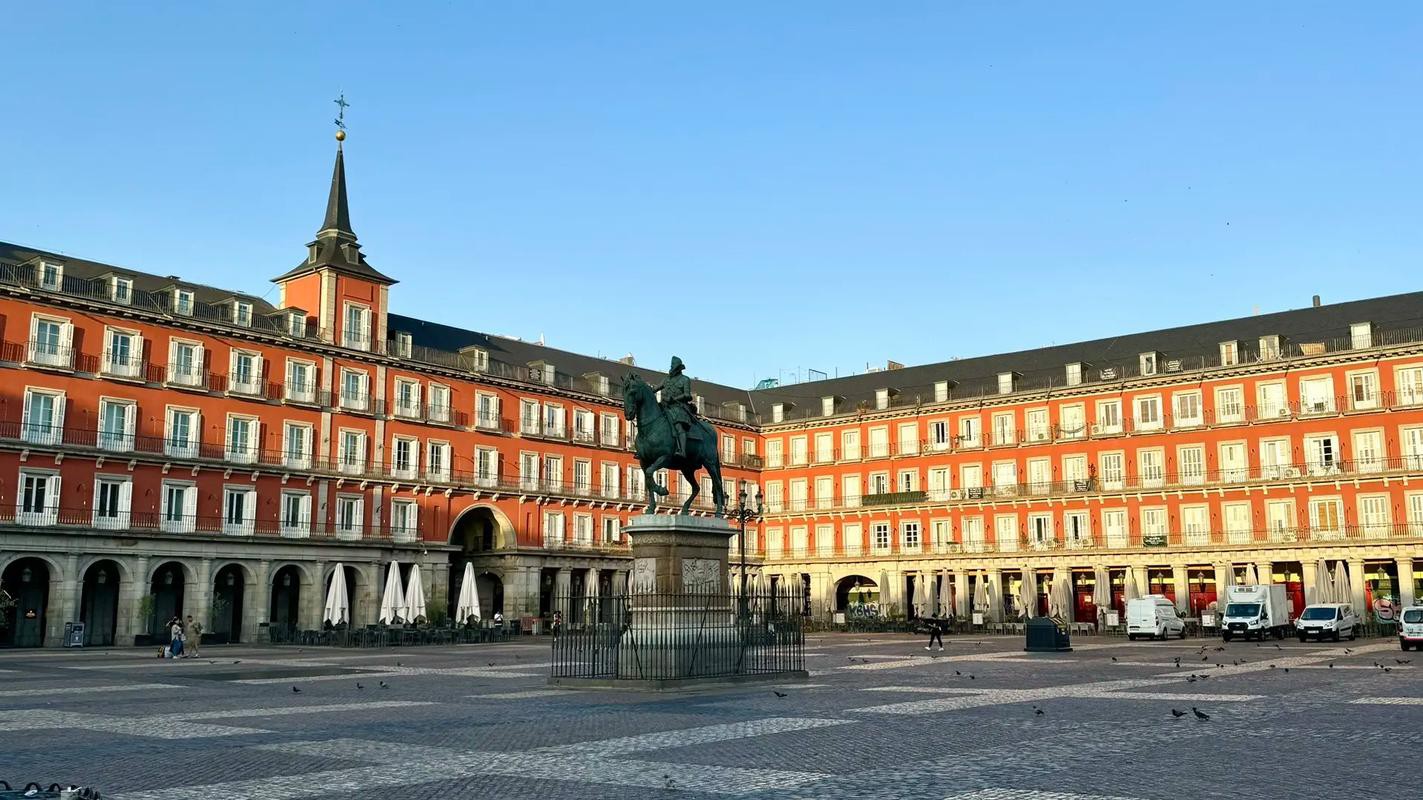
So, what exactly do Spanish University Rectors do? It’s not just about stamping documents all day. The Rector is the university’s highest academic authority and its legal representative. Externally, they represent the university’s image, while internally, they are responsible for leading its academic development, research strategy, budget planning, and overall administration. They not only deliver speeches in magnificent traditional academic robes at major ceremonies but also must fiercely debate in the Governing Council to secure funding and advance the university’s development plans. It’s a role of immense responsibility.
Rector System Comparison: Spain vs. China
To give you a clearer picture, here is a simple table comparing some of the differences between a Spanish university Rector and a university president in the Chinese system:
| Aspect | Spanish University Rector | Chinese University President |
|---|
| Selection Method | Elected by the entire university community | Appointed by higher government authorities |
| Primary Role | Academic leader, legal representative | Administrative head, dual leadership with Party Committee Secretary |
| Term of Office | Typically 4 or 6 years, usually renewable once | Not fixed, depends on organizational arrangements |
| Core Power | Focused on academic leadership and university autonomy | Focused on administrative management and implementing state policies |
A Spanish Rector is more like an ‘academic chief’ chosen by the faculty and students, with their power and legitimacy stemming directly from the university community itself. Grasping this concept is crucial for understanding how Spanish higher education operates and provides context for the roles of specific leaders, like the Rector of the University of Jaén. What are your impressions of your own university’s Rector? And what do you think of this electoral system? Feel free to leave your comments and thoughts below
!
