For those new to studying or living in Spain, you might often see the word Rector in the news. This is no minor role; it’s the highest authority in a Spanish university, equivalent to a president or chancellor. They are not only the legal representative and academic head of the university but also the face of the entire institution. It’s no exaggeration to say that a Rector’s style and decisions can profoundly shape the future direction of a university.
One of the most interesting aspects is that the Rectors of public universities in Spain are not appointed by the government but are chosen through elections! The electoral body consists of professors, students, researchers, and administrative staff, all of whom vote for their preferred candidate. The process is quite democratic, with candidates presenting their platforms and campaigning with speeches, much like a political election, creating a very lively atmosphere. Therefore, a Rector must command significant respect and have a strong base of support within the university community.
So, what exactly do Rectors do, and are they well-paid? Their responsibilities are extensive, ranging from signing diplomas and managing budgets to representing the university in international academic exchanges—they are truly busy around the clock. As for their salary, it typically ranges from €60,000 to €100,000 per year, depending on the university’s size and region. This information is publicly available on transparency portals for anyone interested. While it may not compare to a corporate CEO’s salary, it is certainly a well-paid and stable position in the academic world.
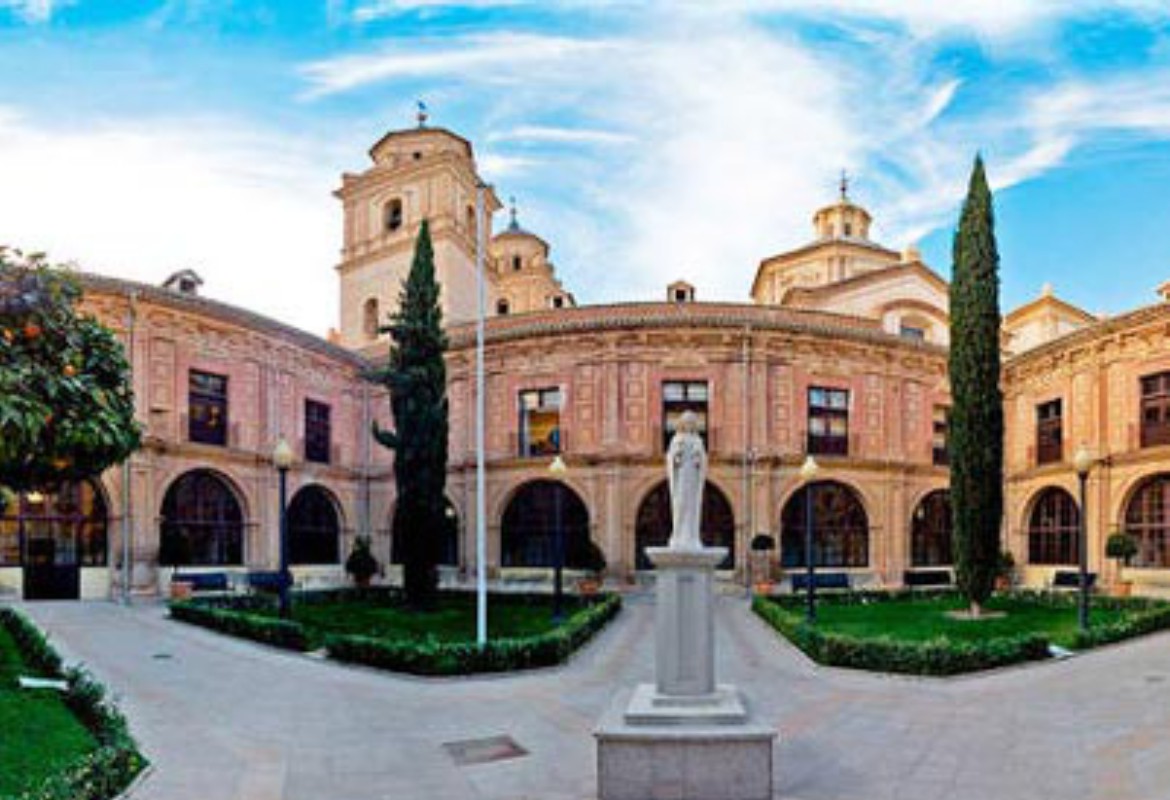
The picture above shows the University of Salamanca, one of Spain’s oldest universities—quite impressive, isn’t it? Now, let’s take a look at the current Rectors of a few well-known universities to see which academic heavyweights are at the helm.
Current Rectors of Several Prominent Universities
| University Name | Current Rector |
|---|
| Complutense University of Madrid | Joaquín Goyache Goñi |
| University of Barcelona | Joan Guàrdia Olmos |
| Autonomous University of Madrid | Amaya Mendikoetxea Pelayo |
| University of Granada | Pedro Mercado Pacheco |
Rectors don’t serve for life; their term is typically four or six years, depending on the university’s statutes, and some Spanish university rectors can be re-elected once. Understanding a university’s rector, such as the rector of the University of Jaén, is also a window into its culture and governance structure. Are you familiar with your own university’s Rector? Or have you heard any interesting stories about them? Feel free to share in the comments below
!
