Hey everyone, I’m new to the forum, and it’s great to see people chatting about all aspects of life in Spain. I’m an alumnus of the University of Zaragoza, and since I’ve seen some prospective students asking about it, I thought I’d start a thread to share my perspective on the university and the city, affectionately known as ‘Zaragoza Village.’ This is all based on my personal experience—nothing official or overhyped, just hoping to help you out
!
When I first arrived at the main campus, I was truly amazed by its open design. Unlike many universities in my home country that are enclosed by walls, the campus here is seamlessly integrated with the city, giving it a vibrant, lived-in feel. The most iconic building has to be the old Paraninfo library—it’s a work of art, and I couldn’t help but stare every time I passed by. Here’s a picture to give you a feel for it.
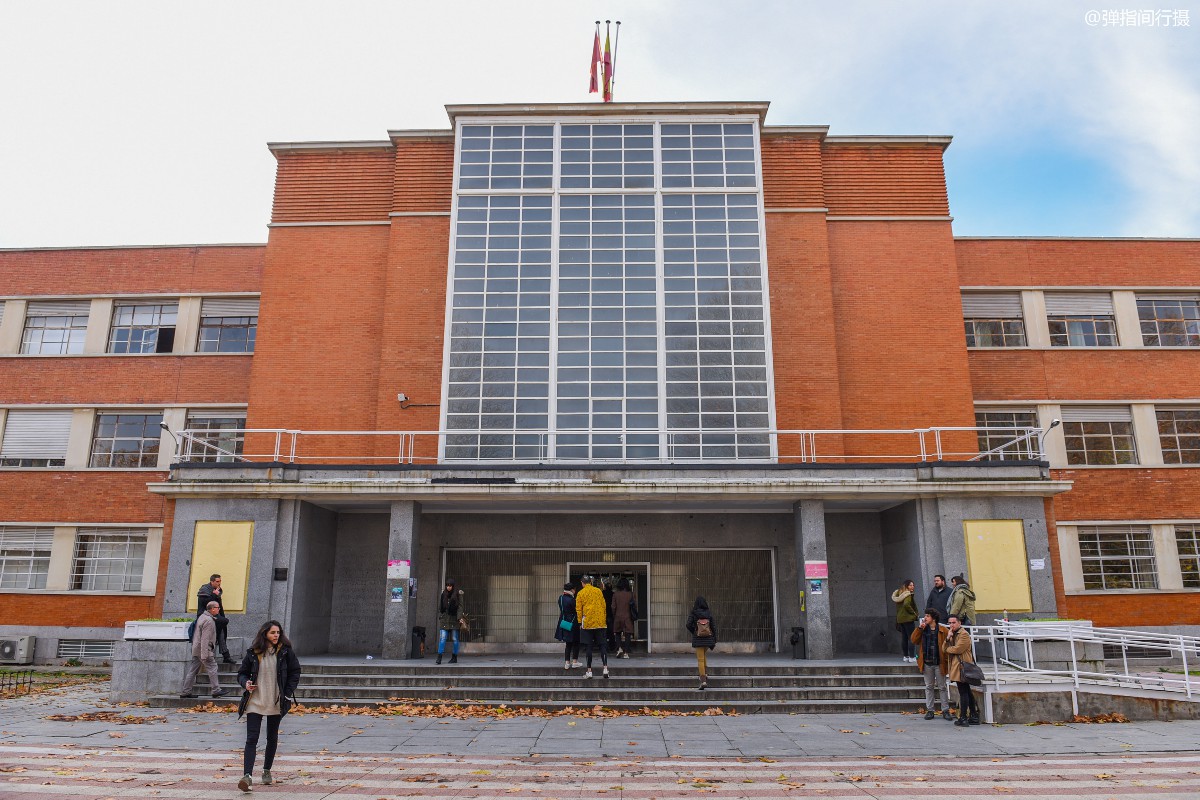
Besides the main campus, there are others like the Río Ebro campus and separate campuses for Veterinary Science, and Arts and Humanities, each with its own unique character.
Academics and Majors
When it comes to academics, the University of Zaragoza, being one of Spain’s oldest universities, has a very solid academic heritage. Its ranking might not be as high as some top universities in Madrid or Barcelona, but it’s a leader in many fields. It is particularly strong in areas like engineering, chemistry, physics, and medicine.
Popular Departments at a Glance
I’ve put together a simple table about the University of Zaragoza
listing some well-regarded faculties and their majors for your reference:
| Faculty | Strong Fields/Example Majors | Campus Location |
|---|
| School of Engineering and Architecture | Industrial Design, Mechanical Engineering, Computer Engineering | Río Ebro |
| Faculty of Sciences | Chemistry, Physics, Geology | Plaza San Francisco |
| Faculty of Economics and Business | Business Administration (ADE), Marketing, Finance | Plaza San Francisco |
| Faculty of Arts and Humanities | History, Spanish Literature, Classical Philology | Plaza San Francisco |
The professors are generally responsible, but the style at Spanish universities is that you need to be proactive in your learning and ask questions. Don’t expect teachers to chase after you; independent study skills are crucial.
For applications, students coming from China’s national college entrance exam (Gaokao) mainly use the UNEDasiss system to convert their scores. Language is a significant hurdle. Although there are some programs taught in English, the majority are in Spanish. I’d recommend having at least a B1 level in Spanish before you arrive, and B2 is even better. Otherwise, classes will be completely incomprehensible. Also, when selecting courses, be sure to read the syllabus carefully to understand the grading criteria and exam format. You don’t want to blindly pick a class only to find out at the end of the semester that a huge final paper is waiting for you. That would put you in a terrible very difficult position.
Finally, let’s talk about life here. The biggest advantage of Zaragoza is that the cost of living is genuinely low! Rent and food are significantly cheaper than in Madrid or Barcelona, which makes for a great quality of life. The city isn’t too big or too small, transportation is convenient, and heading to the El Tubo district for some tapas and a drink is an amazing experience. The people here are also incredibly down-to-earth and friendly, a sentiment you can find in other stories about the University of Zaragoza. Overall, if you’re looking for a relaxed, focused, and cost-effective study environment, the University of Zaragoza is definitely an option worth seriously considering. I hope my sharing has been helpful. If you have any questions, feel free to leave a comment below, and I’ll do my best to reply when I see them!
