For those new to Spain, is figuring out your child’s schooling a bit overwhelming? Especially for those of us who moved here later in life, it can feel like navigating in the dark. Don’t worry, I’ve compiled my experiences from guiding my own child through the Spanish school system, from primary school onwards, along with information I’ve gathered about schools like the primary school affiliated with the Complutense University of Madrid, into this post. I hope it helps others who need it. This is purely based on my personal experience, so if there are any inaccuracies, I welcome corrections from the experts!
Primary and Secondary Education in Spain
Compulsory education in Spain runs from age 6 to 16, covering both primary and secondary school. The basic education structure is roughly: Early Childhood Education -> Primary Education -> Compulsory Secondary Education (ESO) -> Post-compulsory Secondary Education (Bachillerato). Among these, the two years of Bachillerato are crucial for university admission, similar to the final years of high school in other countries. Completing it is a prerequisite for taking the university entrance exam.
How to Choose a School Type?
Choosing a school is a top priority. In Spain, there are three main types of schools: public, state-subsidized private (concertado), and fully private. You can see the specific differences in the table below, but in short, the main distinctions are cost and teaching models. Our family chose a Concertado school. We feel it offers the best value for money—the academics are often more rigorous than in public schools, while the fees are much lower than at fully private ones.
| School Type | Funding Source | Language of Instruction | Tuition Fees | Characteristics |
|---|
| Public School (Público) | Fully government-funded | Spanish / Regional Language | Free | Admission by residential zone, most diverse student body |
| State-Subsidized Private (Concertado) | Government + Family | Primarily Spanish | Low | Requires application, generally good academic standards |
| Private School (Privado) | Family-funded | International curricula / English available | High | Excellent facilities, flexible curriculum |
The Path to University
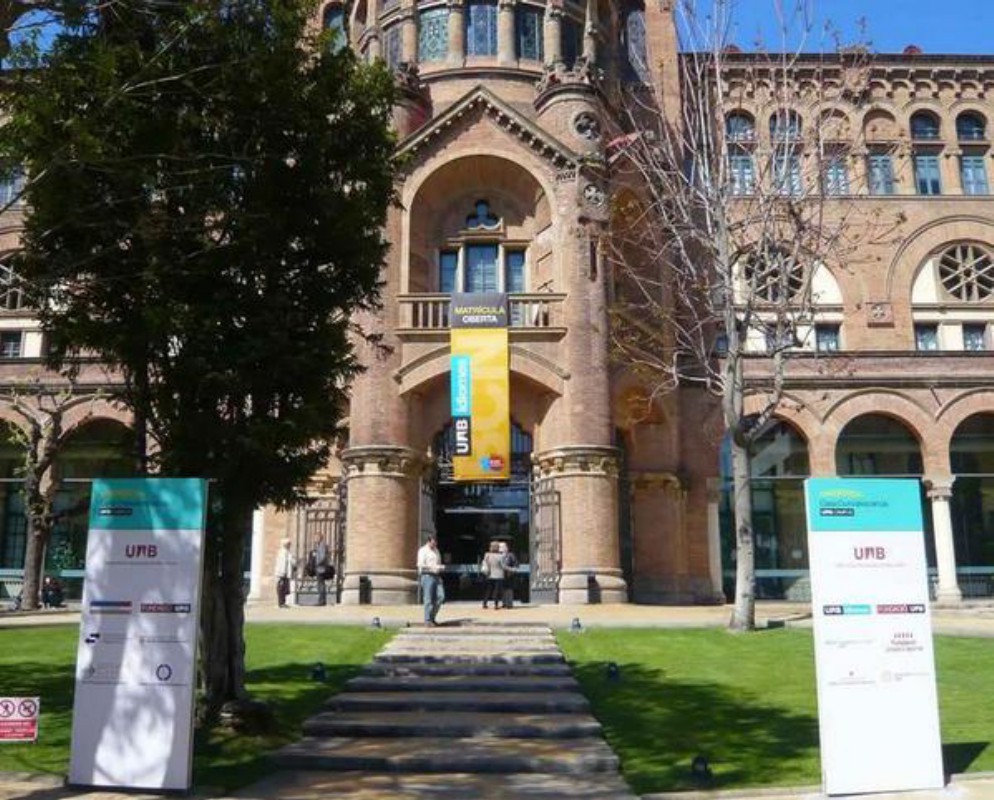
After completing Bachillerato, students who want to go to university must take the Spanish university entrance exam, officially known as EBAU or EvAU. The score from this exam, combined with their academic average from the two years of Bachillerato, determines which universities and majors they can apply to. The quality of public universities in Spain is very high, and compared to countries like the US or UK, the tuition fees are a real bargain! For instance, the Complutense University of Madrid and the University of Barcelona are world-renowned institutions.
The Spanish education system tends to focus more on a child’s holistic development, and is generally less stressful. But don’t be mistaken into thinking it’s all ‘happy education.’ By the time students reach the Bachillerato stage, they have to work very hard to get the high grades needed for top universities and competitive majors. Therefore, planning is crucial. Whether to follow the public school path or opt for a private school with an international curriculum depends on your family’s situation and your child’s future goals.
I hope this information is useful! These are all my personal experiences and opinions. Feel free to share your own experiences and questions in the comments below. No trolling Haha, just kidding! I hope our expat community here can support one another to help our children thrive. With so many schools and universities in Spain, we can all benefit from sharing our experiences!
