I’ve been looking for a primary school in Madrid for my child recently, and the process has been quite overwhelming. A friend mentioned a school that sounded very impressive—initially, I thought it was called the Primary School of Spain’s Capital Normal University. Just hearing that name made it sound like educational royalty! However, to be more precise, its official name is the Affiliated Practice School of the Complutense University of Madrid’s Faculty of Education, though it’s much more widely known as Colegio de la Paloma.
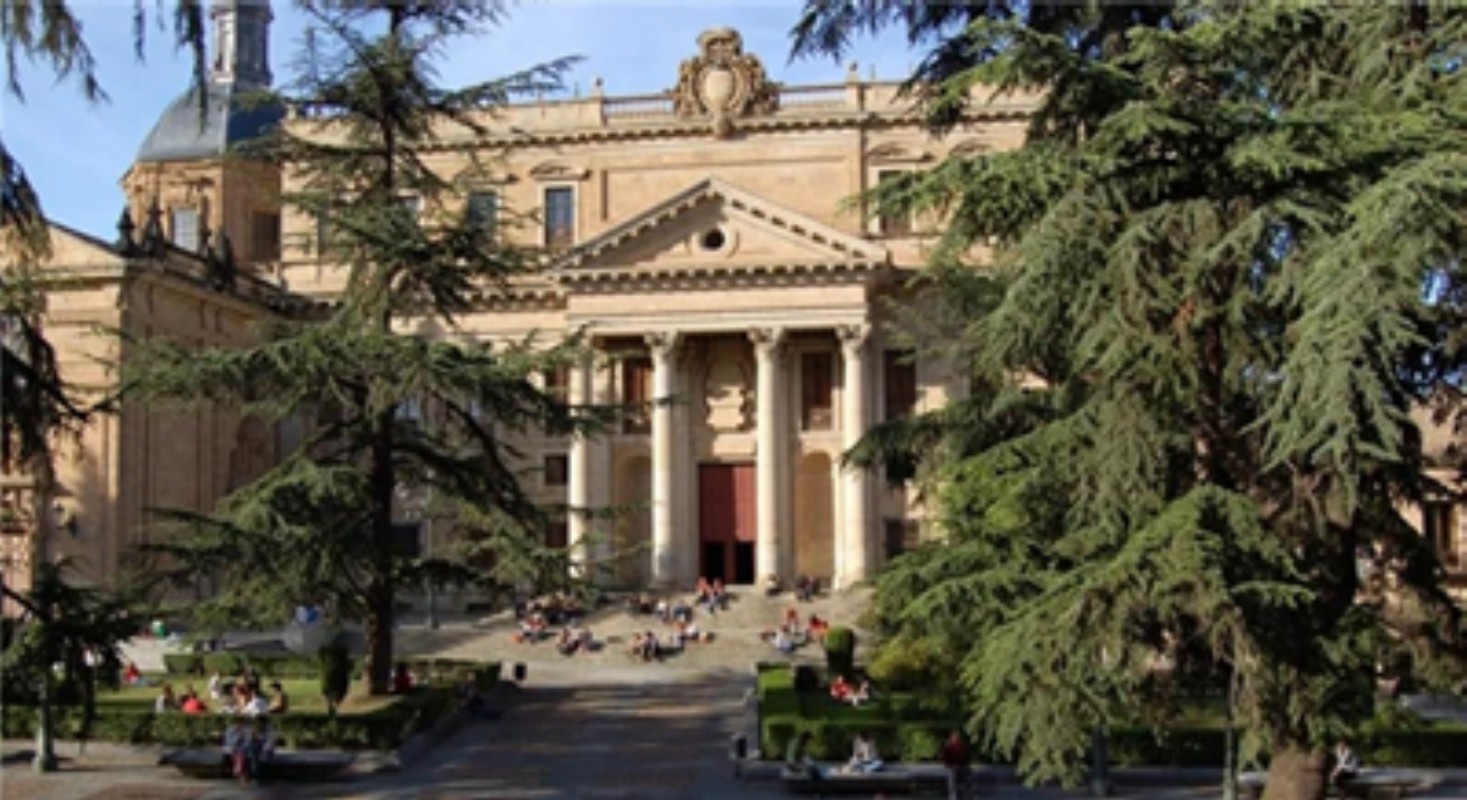
So, what’s the story behind this school? It’s a public school, but it’s not like your average one. It serves as a ‘living lab’ for the Faculty of Education at Complutense University (UCM), where many education students do their internships. This means the school’s teaching methods are always at the forefront, full of energy and innovative ideas. Children not only learn from experienced, certified teachers but also benefit from the fresh knowledge and interactive approaches of these trainee teachers. Doesn’t that sound appealing?
I did some research into its educational philosophy and found that it strongly emphasizes building a ‘learning community,’ where parents, teachers, and students are all actively involved in the educational process. The academic atmosphere is said to be excellent, and being backed by a major institution like UCM, it naturally gets preferential access to a wealth of resources and lectures. With a great environment and a modern philosophy, it’s no wonder it has such a stellar reputation among Madrid’s parent circles.
Application Difficulty and Process
Speaking of the education system from primary school to university in Spain, here comes the crucial part. For such a great public school, is the application process incredibly competitive? The answer is: Yes, extremely difficult
! As a public school, it follows the standard points-based admission system of the Community of Madrid. Your total points determine whether you can secure a spot. Key criteria for points include your home address, whether you have siblings already attending the school, family income, and parents’ place of work. Basically, unless you live right next to the school or have an older sibling enrolled, it’s very hard to accumulate enough points.
To give you a clearer idea, I’ve put together a simplified table of the points criteria:
| Criteria | Description |
|---|
| Home Address | The highest points are awarded for living within the school’s catchment area, followed by neighboring areas. |
| Siblings Enrolled | High points are awarded if a direct sibling is already studying at the school. |
| Parents’ Workplace | At least one parent’s workplace is located within the school’s catchment area. |
| Family Income | Points are calculated based on the family’s per capita annual income, with lower incomes receiving more points. |
| Other Circumstances | Such as being a large family (familia numerosa) |
| , having a disability, etc. |
Colegio de la Paloma is definitely a high-quality public school worth considering, but the entry barrier is indeed very high. Its pros are its advanced educational philosophy, abundant resources, and being tuition-free. The main con is the fierce competition; getting a spot is like winning the lottery. I wonder if any parents on this forum have successfully enrolled their child there? Please share your experience! Or does anyone have more inside info on primary schools and universities in Spain? Let’s discuss it together!
