After finishing my PhD, like many others, I found myself at a crossroads: should I dive into the hyper-competitive environment of the United States, or stay in the relatively relaxed atmosphere of Europe? By a stroke of luck, I landed a postdoctoral offer in Madrid, Spain. Nearly two years have passed, and I feel I made an excellent decision. Today, from the perspective of a regular researcher, I’d like to share my genuine experience of being a postdoc in Spain.
How to Find a Postdoc Position in Spain?
The most common channel is the EURAXESS website, which lists research positions across Europe, with a vast number of openings in Spain. Alternatively, you can directly monitor the recruitment pages on the official websites of your desired universities or research centers. Spain has several highly prestigious national postdoctoral programs, such as the Juan de la Cierva fellowship for recent PhD graduates and the Ramón y Cajal program for senior researchers. Both are highly competitive, but the salary and prestige are excellent. Securing one is often seen as a stepping stone towards an Assistant Professor position.
Salary and Work Environment
What everyone is most curious about is probably the money. Postdoc salaries in Spain are not the highest in Europe, but they offer great value when you consider the relatively low cost of living. The specific salary is directly tied to the project; positions funded directly by the university tend to pay less, while those funded by national or EU projects offer much better compensation. This link on Postdoc salaries at Spanish universities provides a general reference for gross annual salaries:
| Program Type | Approx. Gross Annual Salary |
|---|
| Standard University Project | 25,000 - 35,000 € |
| Juan de la Cierva | 35,000 - 45,000 € |
| Marie Curie Fellowship | 45,000 - 55,000 € |
Regarding the work environment, the Spanish truly know how to live! Although you might need to work overtime when experiments get busy, most of the time you are guaranteed weekends and public holidays off. The kind of extremely high-pressure, toxic work culture is relatively rare here; work-life balance is a real thing.
Life outside of research is what makes Spain truly captivating. After work, you can meet up with a few friends at a tavern for tapas and drinks. On weekends, you can go to the beach to soak up the sun or explore historic old towns. The sunshine, food, and warm-hearted people here can be a great remedy for the fatigue and stress of research. It’s no exaggeration to say that the happiness index is very high here.
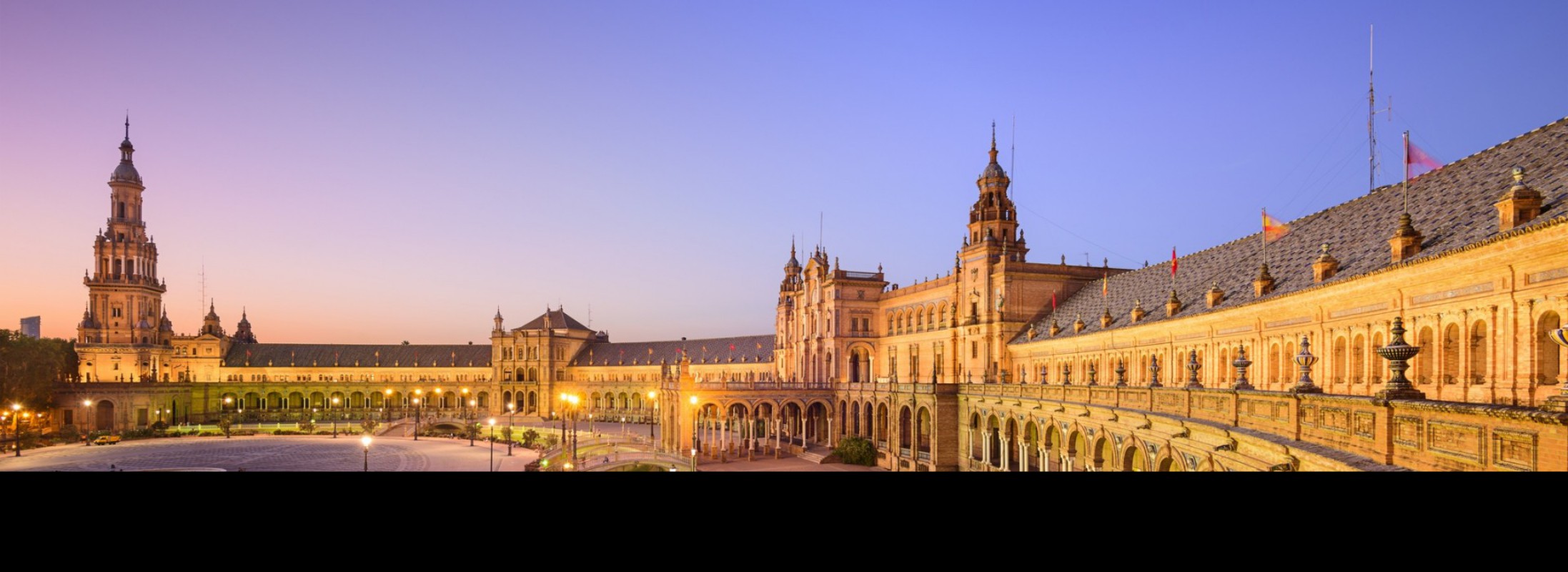
You also have to adapt to the famous ‘mañana’ (tomorrow) culture. Whether you’re opening a bank account or getting your residency permit, you must be patient. Poco a poco (slowly, slowly) is the key phrase here.
If pursuing a postdoc at a Spanish university for you means chasing maximum research output and the highest salary, then Spain might not be your top choice. However, if you’re looking for a relatively relaxed and free environment where you can do serious research while also enjoying life, then Spain is definitely an option worth considering. The level of research here is top-tier in many fields. I hope my sharing has been helpful to those of you who are considering it. Everyone is welcome to come and join the grind in sunny Spain
!
