I often get questions from junior colleagues and students: after finishing a PhD in Spain, what’s it like to do a postdoc? Is the salary enough to live on? This is a crucial question—after all, researchers need to make a living too. There isn’t much information on this topic available back home, and a lot of it is outdated. Based on my own experience and that of friends, I’m here to break down the real salaries and living conditions for postdocs in Spain, hoping to offer a useful guide for future applicants.
Main Postdoc Programs in Spain and Salary Overview
Postdoctoral positions in Spain have diverse funding sources, leading to a wide range of salaries. Generally, they can be categorized into several main types. The EU’s Marie Curie Fellowship is the top tier, but also the most competitive. Next are Spain’s national-level programs, like the famous Juan de la Cierva fellowships. Finally, there are positions funded directly by individual universities or research institutions.
To give you a clearer picture, I’ve put together a simple table:
| Program Type | Gross Annual Salary | Features | Application Difficulty |
|---|
| Marie Curie Fellowship | €45,000 - €60,000 | Highest salary, includes family allowance, prestigious | Very High |
| Juan de la Cierva - Formación | €27,000 - €30,000 | National program for recent PhD graduates | High |
| Juan de la Cierva - Incorporación | €32,000 - €36,000 | National program for experienced PhDs | High |
| University/Institution Hires | €22,000 - €35,000 | Salary varies widely, most numerous and common | Medium |
| Regional Talent Programs | €30,000 - €45,000 | e.g., Ikerbasque in the Basque Country | High |
Note: All figures above are gross annual salaries, and specific amounts may be adjusted slightly each year.
How Much Is the Take-Home Pay?
When talking about salary, we have to mention Spain’s personal income tax (IRPF). It’s a progressive tax system, meaning the higher your income, the higher the tax rate. For most postdocs, the tax rate is roughly between 18% and 25%. For example, with a contract of €30,000 per year, after taxes and social security contributions, your take-home pay would be around €2,100/month. If you land a top-tier fellowship like Marie Curie, your monthly net salary can exceed €3,000, which is a very comfortable income.
Is This Salary Enough to Live on in Spain?
The answer is: Absolutely, and you can live quite well
! Of course, it depends on which city your postdoc at a Spanish university
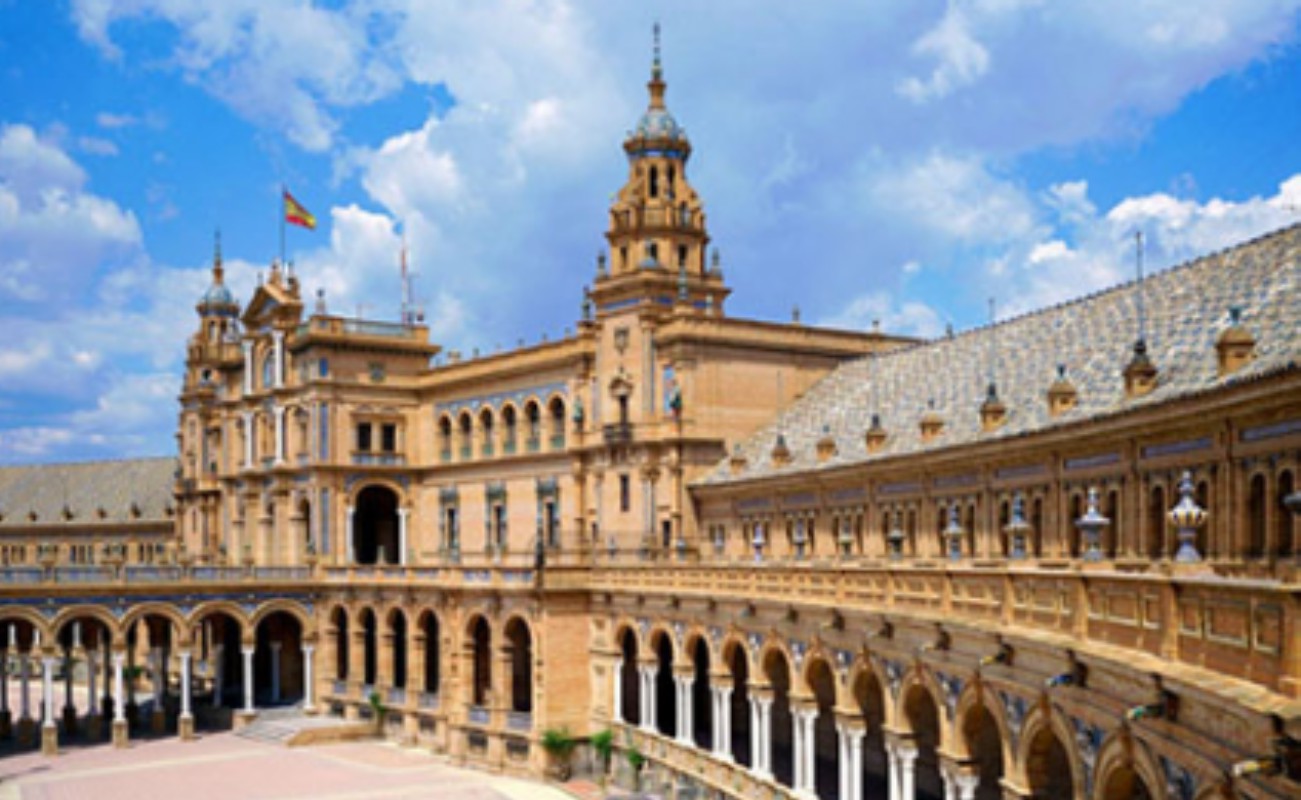
is located in. In city centers like Madrid or Barcelona, rent is the biggest expense, where a studio apartment or a room in a shared flat can cost €600-€900. But in university towns like Salamanca, Granada, or Seville, the cost of living is much lower, and you can find a nice place for €300-€500.
Besides rent, daily expenses like food and transportation will cost about €400-€500 a month. Therefore, even with a lower-tier postdoc salary, you can be financially independent in Spain, affording to eat out, travel to nearby cities on weekends, and so on. Spain’s public healthcare is free, which is also a big relief. No more worrying about being discouraged by others.
While postdoc salaries in Spain may not be as high as in countries like the US or Switzerland, it remains an excellent choice. Considering the fantastic climate, delicious food, a relatively relaxed work pace, and the superb quality of life for the cost makes doing a postdoc at a Spanish university a very attractive proposition, especially for those who prioritize a good work-life balance.
If you’re looking for postdoc positions, keep an eye on the EURAXESS website, which is the official EU portal for researchers in motion and has comprehensive listings. Additionally, you can often find openings directly on the websites of your target universities or research centers. I wish you all the best with your applications and hope you get to enjoy the sunshine and research in Spain! If you have any questions, feel free to leave a comment below to discuss.
