I’ve seen a lot of discussions on the forum recently about choosing a major, and some prospective students have asked me if studying tourism in Spain is really worth it. As someone who’s been through it, I’m starting this thread to share my thoughts. This is purely based on my personal experience, and I welcome everyone to join the discussion and add their own insights!
Why study tourism in Spain? The answer is simple: the country itself is a ‘living textbook’ for the industry. Spain is a top global tourist destination, offering everything from sun-drenched beaches and historic cities to rich culinary culture and vibrant festivals. Studying tourism here isn’t just about theory; you’re immersed in a giant, real-world classroom. Many courses include field trips to hotels, travel agencies, and convention centers, providing hands-on experience that’s hard to find elsewhere.
What’s the Curriculum Like?
Many people mistakenly think a tourism degree is just about learning how to travel for fun. That couldn’t be further from the truth. This major isn’t just about guiding tours; it’s actually an interdisciplinary field that covers economics, management, geography, history, sociology, and marketing. The curriculum is highly practical, and the workload can be demanding. Here’s a general overview of the course structure, though it varies by university:
| Core Courses | Specialization Options |
|---|
| Tourism Market Structures | Hotel Management |
| Geography of Tourism Resources | Event Planning |
| Tourism Business Management | Cultural Heritage Management |
| Tourism Law | Destination Planning |
Pros and Challenges
When deciding on this major, I think it’s important to see both sides. The pros are plenty of practical opportunities and a great language environment. If you stay in Spain after graduation, perhaps through study abroad programs at Spanish universities, your career options are broad, including hotels, travel agencies, event management, airlines, and tourism boards. However, the challenges are also clear: the entry barrier is relatively low, leading to a large number of graduates and fierce competition. Additionally, starting salaries may not be particularly high, and it takes time to build experience and a professional network. Therefore, it’s crucial to have a genuine passion for the industry and a clear career plan.
Which Universities Are Worth Considering?
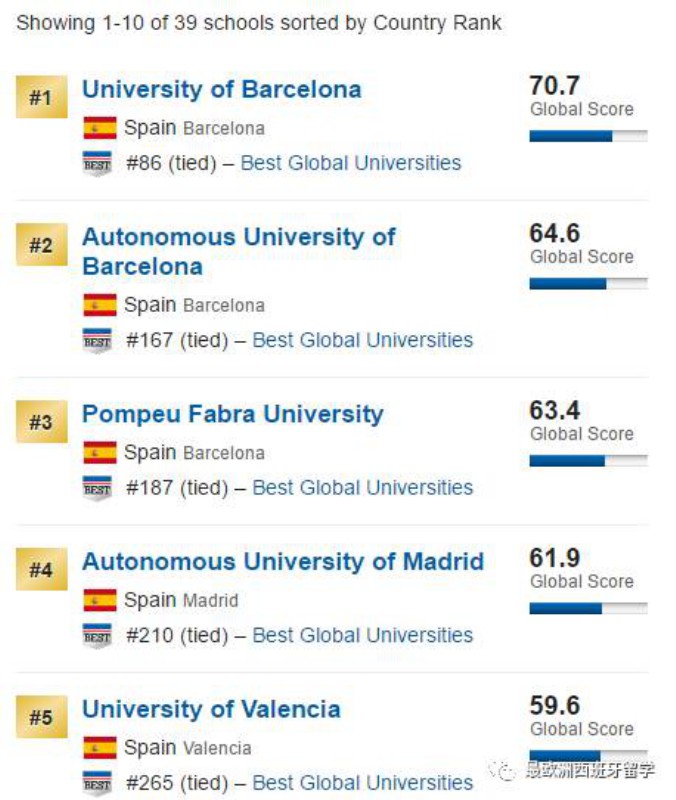
Many universities in Spain offer excellent tourism programs. This guide on university study abroad and exchange programs in Spain might be helpful, but here I’ll just list a few well-known ones, in no particular order:
- Universitat de les Illes Balears: Studying tourism on an island gives it a unique geographical advantage. It’s particularly famous for its hotel management programs.
- Universidad de Málaga: Located on the Costa del Sol, it’s rich in tourism resources and has a strong academic reputation in the field.
- Universidad de Alicante: Also in a coastal tourist city, it is known for high-quality teaching and research in tourism.
- Universitat Rovira i Virgili: Situated in a tourist hotspot in Catalonia, its Faculty of Tourism and Leisure is highly renowned.
A tourism degree in Spain is a great choice that is highly practical and closely linked to the market, but it’s by no means an easy path. I hope this gives some clarity to students who are still on the fence. I also encourage current students and alumni to share your experiences and opinions in the comments!
