Lately, it seems like more and more people on the forum are interested in a short-term experience in Spain, and I’ve been getting a lot of private messages about university study abroad programs. Since I’ve done some in-depth research and even visited a few programs myself, I decided to create a post to share all my insights and collected information at once. I hope this helps anyone who needs it.
Many people choose Spain for its sun, food, and rich cultural atmosphere. More importantly, learning Spanish in an authentic language environment allows for rapid progress! University study abroad programs usually combine language courses with cultural experience classes. You’ll have classes with professors at the university in the morning, and in the afternoon, the school organizes various activities like museum visits, Tapas cooking classes, Flamenco shows, and more. It’s definitely not just a vacation, but it’s far from boring.
How to Choose the Right University for You?
This might be the most difficult decision for many. Universities in different cities have very different styles and focuses. I’ve put together a simple table for your reference:
| City | Recommended University | Features | Best for… |
|---|
| Salamanca | University of Salamanca | Purest Spanish, historic city charm, strong academic atmosphere, low cost of living | Those focused on language learning, who enjoy quiet, classic cities |
| Madrid | Complutense University of Madrid | Capital city, abundant resources, many cultural events, convenient transportation | Those who love big cities and want to experience a vibrant nightlife alongside their studies |
| Barcelona | University of Barcelona | Cosmopolitan city, strong artistic vibe, Catalan culture | Those who love art and architecture and don’t mind a bilingual (Spanish/Catalan) environment |
It’s not true that smaller cities are worse than big ones. In fact, for language learning, a smaller city like Salamanca has fewer distractions and a more immersive language environment.
Let’s take the University of Salamanca, which I’m most familiar with, as an example. It’s one of the oldest universities in Europe, and just walking on campus feels like stepping back in time. Attending class every day feels like visiting a historic site.
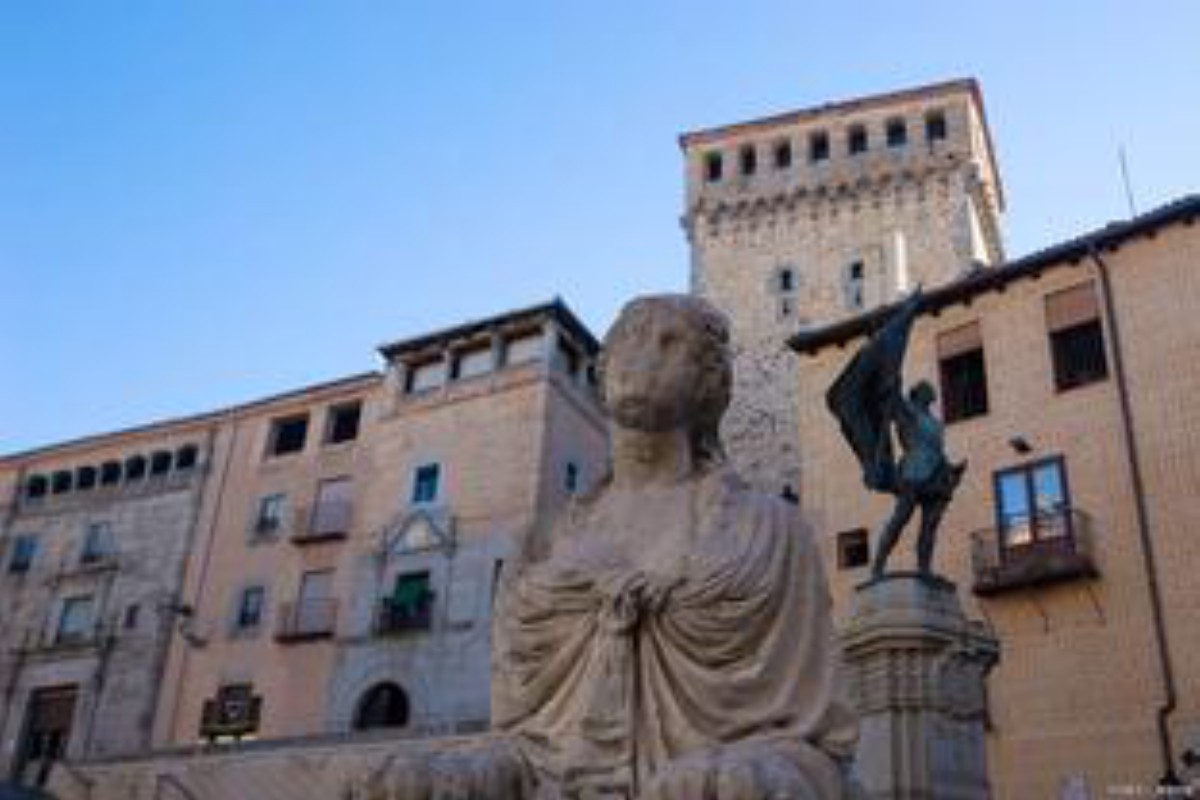
The courses are well-structured and you’ll be placed in a class based on your proficiency level, so with Spanish university study abroad programs, you don’t have to worry about falling behind. The teachers are very patient and encourage you to speak as much as possible. The afternoon cultural activities are rarely repeated, and on weekends, you can travel to nearby towns with classmates. Life is incredibly fulfilling.
Finally, some practical advice. Regarding accommodation, both university dorms and host families have their pros and cons; if you want to improve your speaking skills quickly, choose a host family. In terms of costs, besides tuition, the main expenses are living costs and travel, which can vary greatly depending on your lifestyle. Most importantly: Don’t treat your study abroad as just a vacation
! Since you’re investing time and money, take your classes seriously and interact with locals as much as possible. That’s the true meaning of studying abroad.
Alright, that’s all I can think of for now. I hope this gives you a general idea. If you have other questions about topics like university tourism degrees in Spain
, or practical matters like visas, packing, or phone cards, feel free to leave a comment below, and we can discuss them together!
