Having spent several years in Spain, I initially found everything here—especially the food—fascinating. Dishes like the golden Spanish cuisine and Chinese cuisine paella, savory Iberian ham, and all the diverse tapas—every day brought a new surprise, as if a new world had opened to me. But as time passed, I realized that my ‘Chinese stomach’ deep down began to protest, as if some familiar flavors were missing from daily life.
The essence of Spanish cuisine, I feel, lies in highlighting and respecting the original taste of the ingredients. With top-quality olive oil, the freshest seafood and vegetables, and simple cooking methods like roasting, pan frying, and stewing, the point is to bring out the true flavor of each food. Take for example the roasted sweet peppers from Pamplona—just roasted and then drizzled with olive oil and salt—their pure sweetness lingers long after. Not to mention the ever-present tapas culture: a small bite to eat with a drink, friends gathering together, simply enjoying the relaxed and spontaneous atmosphere.
Chinese food, on the other hand, is an entirely different world. Chinese cuisine emphasizes ‘harmonizing the five tastes,’ and pursues complex, layered flavors. Just the single technique of stir-frying can be broken down into slippery stir-fry, quick fry, dry-fried, and countless other methods—not to mention steaming, boiling, stewing, and braising. Soy sauce, oyster sauce, broad bean paste, and a wide array of spices—an infinite combination of seasonings aims to create brand new taste experiences, commonly referred to as ‘wok hei.’ Sometimes, a simple homestyle stir-fry dish is all it takes to soothe homesickness.
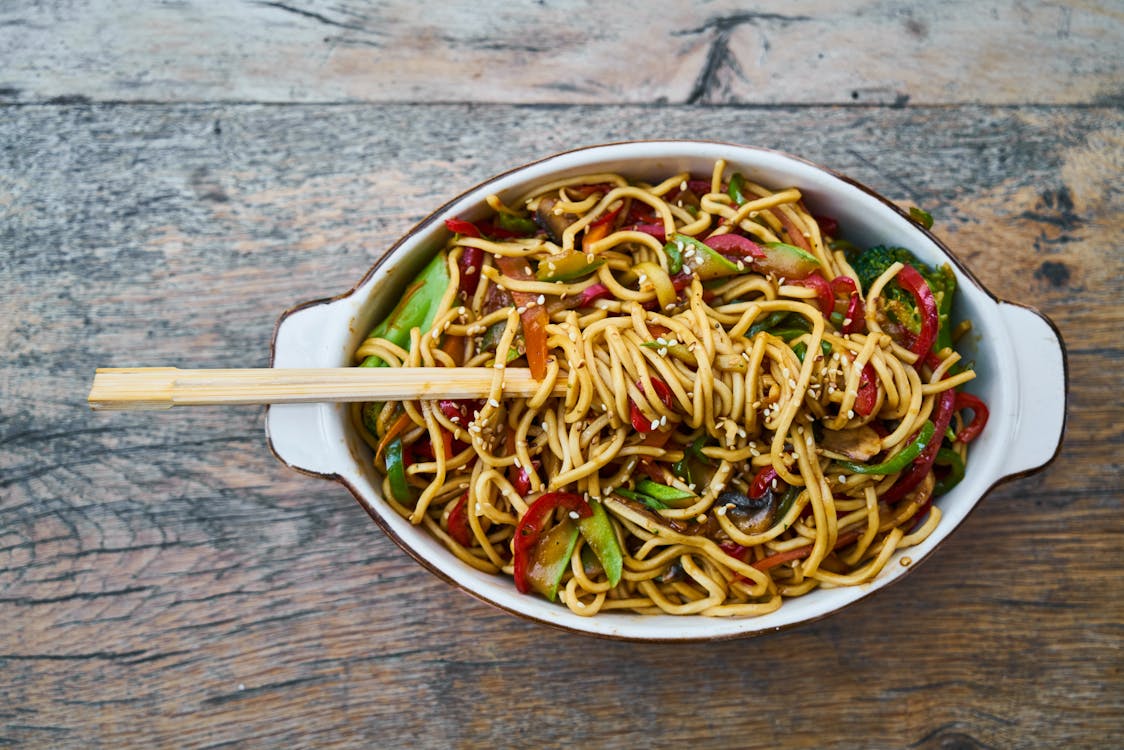
For a more straightforward comparison, here’s a simple chart reflecting my personal impressions:
| Characteristic | Spanish Cuisine | Chinese Cuisine |
|---|
| Main Seasonings | Olive oil, garlic, salt, paprika | Soy sauce, green onion, ginger, garlic, a variety of spices |
| Cooking Methods | Roasting, pan frying, stewing, boiling | Stir-frying, steaming, frying, braising, stewing—endless techniques |
| Signature Dishes | Paella, Iberian ham, tapas | Peking duck, Mapo tofu, hot pot |
| Food Philosophy | Enjoy the ingredient’s original flavor | Pursue harmony and depth of flavor |
At the end of the day, there’s really no winner or loser between these two rich food cultures—each is special in its own way. Living in Spain, I’ve learned to appreciate the fruity aroma of olive oil and now love unwinding on weekends with friends over drinks and tapas. But every week, there are always a few days when I seriously crave a steaming bowl of beef noodles, or a plate of spicy Sichuan food. Eating only bread and ham every day would really drive me crazy~~. So, as you can see from Spanish cuisine versus Chinese flavors, how do you personally balance your taste buds? Have you been fully converted to Spanish cuisine, or not yet? By the way, Spanish cuisine in Chinese hamburgers is something you might want to try to help balance both worlds!
