When I first arrived in Spain, it felt like I had stumbled into a treasure trove of culinary delights. Every day, I found myself excitedly exploring new flavors, with Spanish cuisine in Chinese burgers catching my curiosity, and of course, constantly comparing Spanish cuisine and Chinese cuisine. The sunshine and beaches paired perfectly with a big golden plate of Spanish paella, and a platter of paper-thin Iberian ham always made life feel extra enjoyable. On weekends, gathering a group of friends to hop between alleyway bars sampling different tapas—from fried baby fish to Spanish omelette—turns each bite into a mini flavor adventure. Back then, I truly believed Spanish food was unmatched in the world!
Over time, I’ve come to realize that the soul of Spanish cuisine lies in the respect for the natural flavors of fresh ingredients. The best olive oils, fresh Mediterranean seafood, sun-ripened tomatoes and peppers—all cooked using simple techniques like grilling, roasting, or stewing, with just a hint of garlic, sea salt, and herbs. The result highlights the pure taste of each ingredient. From Catalan grilled spring onions to Andalusian gazpacho, every dish reflects this “less is more” food philosophy. Eating here is not just about freshness, but also experiencing the local culture and traditions.
However, as time goes by, my hidden “Chinese stomach” inevitably calls out for attention. There are nights when I suddenly crave those complicated, smoky flavors that only Chinese dishes deliver. I miss the spicy and aromatic punch of Sichuan cuisine, the refined taste of Cantonese dishes, the bold flavors of Hunan cooking, or even just a simple bowl of tomato and egg noodles. This longing is something that no tapa or paella can satisfy. It’s then that I deeply understand food is more than just about filling our stomachs—it is culture, emotion, and a sense of home etched within us.
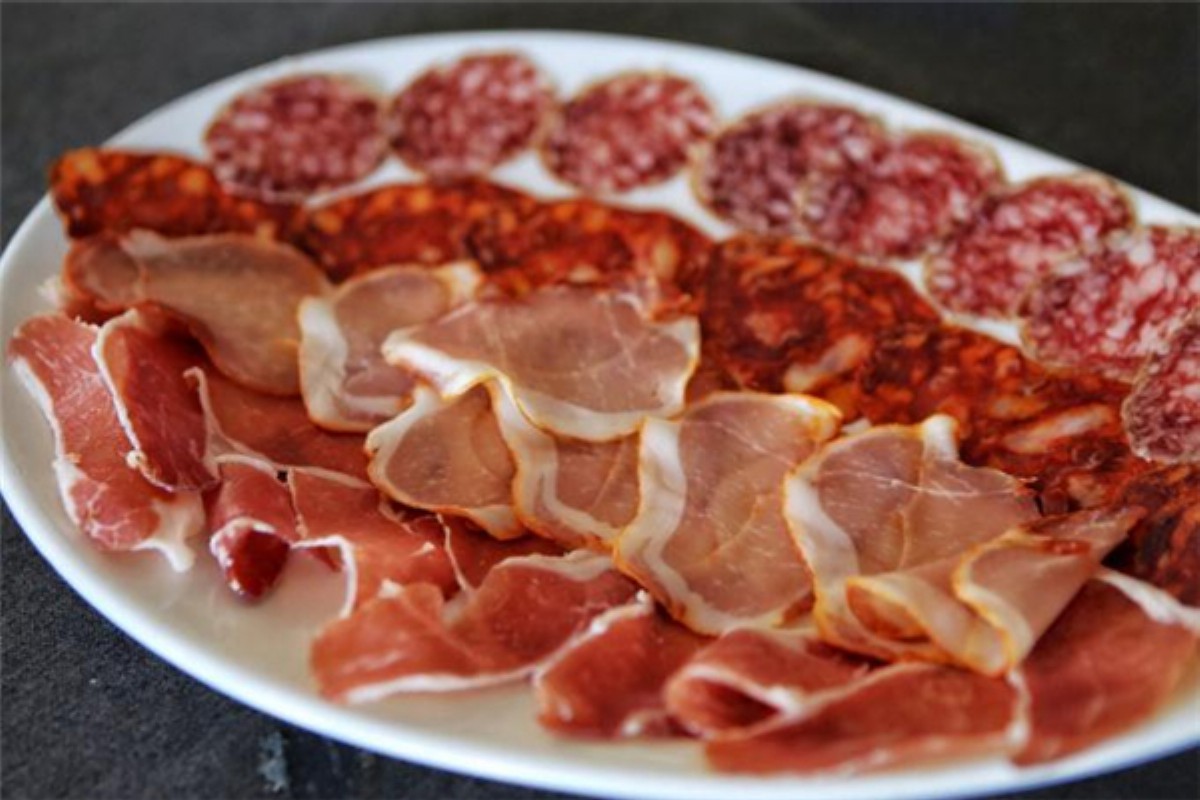
The culinary traditions of Spain and China are truly worlds apart. To illustrate, I put together a quick comparison—check out if you agree with these differences in Is Spanish food as good as Chinese food?:
| Feature | Spanish Cuisine | Chinese Cuisine |
|---|
| Core Seasonings | Olive oil, sea salt, garlic, paprika | Soy sauce, vinegar, sugar, scallion, ginger, garlic, spices |
| Cooking Methods | Mainly grilling, stewing, fry, deep-fry | Stir-frying, steaming, boiling, braising, deep-frying, sautéing; endless variety |
| Flavor Profile | Emphasizes ingredient’s original taste, mostly savory | Offers complex layered flavors: spicy, sweet and sour, salty, savory, etc. |
| Dining Style | Individual portions, tapas sharing culture | Communal dining, centered around family and togetherness |
For me now, the perfect lifestyle is being able to order a beer and a few tapas at a local bar whenever I want to relax in true Spanish style, and also being able to cook up a spread of beloved hometown dishes at home to comfort my Chinese palate. There is no hierarchy between these two food cultures—they together shape my full experience of life in Spain. How about you? Are you someone who has embraced local flavors, or do you stick to the tastes of home? Where do you find authentic Chinese food in Spain? Head over to the comments and share your thoughts!
