A Guide for Colombian Students Studying in Spain
Hello, fellow travelers on the path to life in Spain! Recently, it seems there are many new friends from Colombia on the forum asking about studying abroad. Seeing all the enthusiasm, I decided to compile my experiences from my own research and from helping friends apply, hoping it can help future students. Making the journey from the vibrant shores of the Caribbean to the equally sunny Iberian Peninsula is absolutely worth it!
First Hurdle: Academic Record Validation
For us high school graduates from Colombia, if you want to apply for a bachelor’s degree in Spain, the first and most time-consuming task is getting your high school diploma validated, a process known as “Homologación del Título de Bachiller.” In simple terms, this process involves having the Spanish Ministry of Education recognize your Colombian high school diploma as equivalent to their “Bachillerato.” The application must be submitted on the official website of the Spanish Ministry of Education, and you’ll need to have your diploma, transcripts, and other documents translated and legalized. Although the process is a pain, it’s the key to applying for an undergraduate degree at a public university, so you absolutely must start preparing early! Start the process at least a year in advance, or you might miss the application season.
Language Proficiency: DELE vs. SIELE
Unless you’re applying for a program taught entirely in English, a solid proof of Spanish proficiency is imprescindible. The two most well-known exams are DELE and SIELE. DELE is valid for life but takes longer to get results; SIELE is valid for two years, provides results quickly, and offers a more flexible exam format. Generally, for a bachelor’s application, a B1 level is recommended, while for a master’s, it’s best to have a B2 or higher. Many universities explicitly state their language requirements on their official websites, so be sure to check before you apply.
Choosing a University and Major
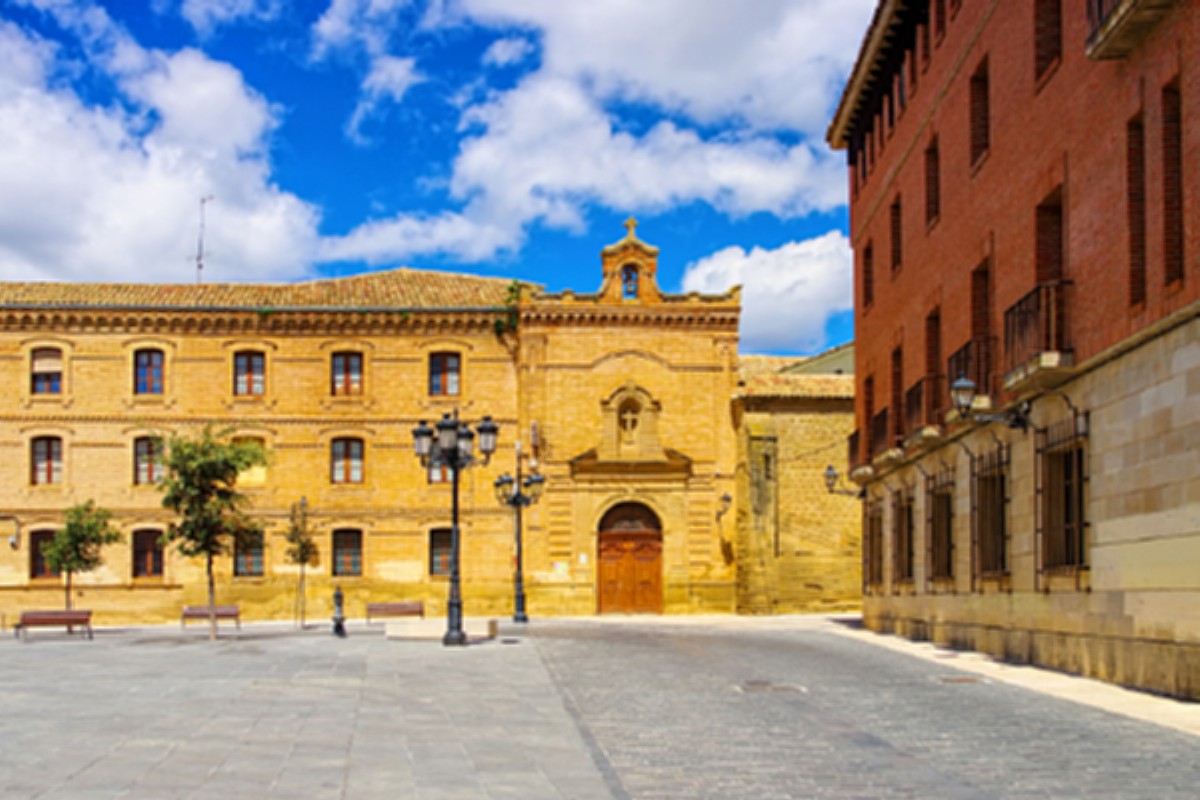
Spain has plenty of great universities! Madrid and Barcelona are undoubtedly the cities with the most resources, such as the Complutense University of Madrid, the Autonomous University of Madrid, and the University of Barcelona. But other cities also have many universities with great value and high rankings in specific fields, like the University of Granada for translation and information engineering, the Polytechnic University of Valencia for architecture and arts, and the University of Seville for flamenco studies. I suggest not limiting your search to just Madrid and Barcelona. It’s a good idea to explore other options, as discussed in posts like this one about Madrid’s “Colombian” university hubs, to find the city and school that are the best fit for you.
To help clarify the application process, I’ve put together a simple table outlining the key differences between bachelor’s and master’s applications, drawing from information on various great universities such as the beautiful University of Alcalá, a true architectural treasure:
| Application Stage | Key Point | Important Notes |
|---|
| Bachelor’s | High School Diploma Validation (Homologación) | The process is time-consuming; it’s recommended to start one year in advance |
| Master’s | University Degree & Transcript Legalization | No Homologación needed, but requires official translation and Hague Apostille |
Studying in Spain as a student from Colombia is a fantastic path. The cultural ties between our two countries are strong, and with a shared language, adapting is much easier than moving to a non-Spanish-speaking country. I hope this post gives you a preliminary overview. If you have any specific questions, feel free to leave a comment below to discuss and share information! ¡Mucha suerte a todos!
